

Understanding the Allison 3000 Transmission and Why Maintenance Matters
The allison 3000 transmission delivers smooth, controlled shifting when it is properly maintained. Discover how it works, which warning signs to watch for and why regular fluid care, inspection and expert servicing keep trucks, buses and emergency vehicles reliable on each route.

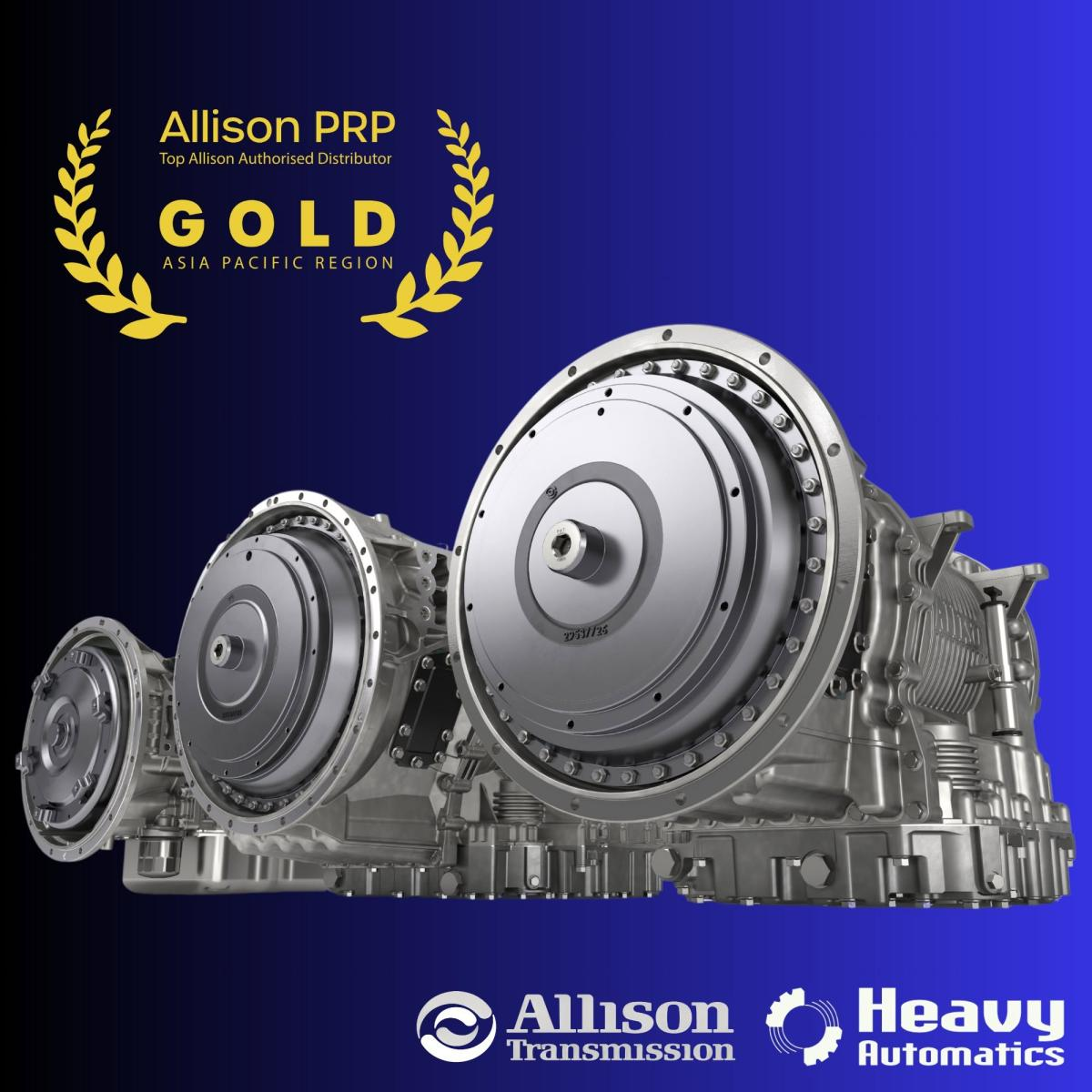
Reliable power delivery is the quiet foundation of every busy commercial vehicle. Among the units found in work trucks, buses and emergency vehicles, the allison 3000 transmission has earned a reputation for dependable performance when duty cycles become demanding. Understanding how it operates helps owners maintain it properly and avoid costly surprises.
How the Allison 3000 Transmission Works
This is a fully automatic unit that uses a torque converter, planetary gearing and hydraulically applied clutches to deliver smooth, controlled shifting. Electronic controls monitor vehicle conditions and adjust gear changes accordingly. Because so many components work together, consistent fluid quality and correct adjustment are essential to its long term health.
Warning Signs Owners Should Never Ignore
Early symptoms are usually subtle. Delayed engagement, harsh or erratic shifts, unusual noises, fluid leaks and overheating all suggest that attention is needed. Fault codes displayed on the dashboard should also be investigated rather than cleared and forgotten. Acting quickly can turn a major rebuild into a modest repair, saving both money and time. Drivers are often the first to notice a change, so encourage them to report anything unusual without any delay. A short written log of symptoms, including when they occur and under what load, helps technicians trace the cause far more efficiently than a vague description given later at the workshop from memory.
The Role of Servicing and Expert Support
Routine servicing should include fluid replacement, a check of mounts, seals, linkages and cooler lines, and diagnostic testing when symptoms appear. Heavy Automatics has the experience and facilities to carry out this work, backed by trained technicians, benchtesting, changeover units and round the clock on road support. Such resources are especially valuable when a vehicle must return to service quickly.
Owners who keep their allison 3000 transmission in good condition often find that its performance remains consistent over many years. The published specification sheet is also a helpful reference for understanding capabilities and application suitability.
Why Fluid and Component Inspection Deserve Priority
Transmission fluid carries heat away, lubricates moving parts and transmits hydraulic force. Over time it collects debris and loses effectiveness, which increases friction and wear. Regular replacement, combined with inspection of seals, mounts and cooler lines, prevents many failures before they develop. Technicians can also check shifting behaviour and recommend adjustments that keep the unit operating within its intended range.
Final Thoughts for Vehicle Owners
Good transmission care is not complicated, but it does require discipline. Use quality fluid, follow service intervals, respond to warning signs and work with technicians who understand the equipment. By doing so, you protect your investment and keep your vehicles productive. A well maintained allison 3000 transmission rewards that attention with years of dependable service.















Comments (0)