

10 Questions to Ask a Private Seller Before Buying a Used Car in Georgia
Searching for private used cars for sale in Georgia? Ask these 10 questions before you buy to avoid scams, hidden problems, and costly mistakes.

Buying from a private owner can save you real money. There's no dealer markup, no add-on fees, and often more room to negotiate. The tradeoff is that you carry more of the responsibility. There's no dealership warranty, no reconditioning process, and no one to hold accountable if something goes wrong after the handshake.
If you're searching for private used cars for sale in Georgia, the best protection you have is asking the right questions before any money changes hands. Whether you're looking in Atlanta, Savannah, Macon, or a smaller town, these ten questions will help you separate a great deal from an expensive headache.
1. Why Are You Selling the Car?
This is the easiest opener, and the answer tells you a lot. Honest sellers usually have simple reasons: they're upgrading, the family is growing, they got a company car, or they're moving. Vague answers, or reasons that change when you ask a follow-up, deserve a closer look.
Pay attention to how the seller answers, not just what they say. Someone who is comfortable and open is generally easier to trust than someone who seems rushed or evasive.
2. Do You Have the Title, and Is It in Your Name?
In Georgia, the title is the proof of ownership. Before you go any further, confirm the seller has the physical title in hand and that their name appears on it as the owner.
Be cautious if the seller says the title is "in the mail," belongs to a friend or relative, or is held by a lender. Ask whether there is a lien on the vehicle. If there is, the loan must be paid off and the lien released before ownership can be legally transferred to you. A clean, ready-to-sign title makes the whole process smoother.
3. Has the Car Ever Been in an Accident?
Ask directly, then verify the answer. Minor fender benders aren't always deal-breakers, but structural damage, airbag deployments, or poor repairs can affect safety and resale value.
Look for warning signs yourself: mismatched paint, uneven gaps between body panels, overspray on trim, or doors that don't close smoothly. Running the vehicle identification number (VIN) through a vehicle history report adds another layer of protection. A seller who offers the VIN freely is usually a good sign.
4. Can I See the Maintenance Records?
A car that has been looked after usually comes with proof. Ask for receipts for oil changes, brake work, tire replacements, and any major repairs. Records show how the car was treated and help you predict what maintenance is coming up.
Missing records aren't automatically a red flag, since some owners simply do their own work or lose paperwork. But a seller with a thick folder of receipts is giving you real confidence that the car was cared for.
5. Are There Any Known Problems or Warning Lights?
Ask about leaks, strange noises, rough shifting, overheating, air conditioning problems, or anything that doesn't work as it should. In Georgia's summer heat, a weak A/C system is more than a comfort issue, and a failing cooling system can quickly become a serious repair.
A lit check engine light is worth special attention. It can mean something minor or something very costly. Ask when it came on and whether it's been diagnosed. If the seller says "it's nothing," get a professional opinion before you believe it.
6. What's the Actual Mileage, and Can I Verify It?
Odometer accuracy matters, and federal law requires an odometer disclosure when a vehicle is sold. Compare the number on the dashboard with the mileage in the maintenance records and the vehicle history report. The numbers should tell a consistent story.
Also consider how the miles were put on. Highway miles are generally gentler on a car than constant stop-and-go driving, so a higher-mileage commuter car can sometimes be in better shape than a low-mileage car used for short trips.
7. Will You Allow a Test Drive and an Independent Inspection?
This is one of the most important questions on the list. A confident seller with nothing to hide should happily agree to both.
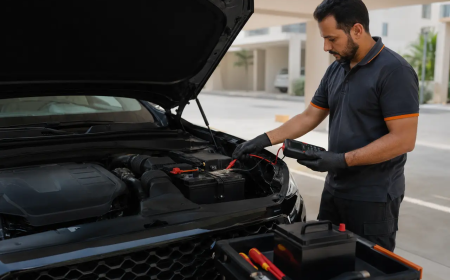
On the test drive, check how the car accelerates, brakes, steers, and shifts. Try it on city streets and at highway speeds, and listen for unusual sounds. Then ask to have an independent mechanic inspect the vehicle. It typically costs a modest amount and can uncover problems you'd never spot yourself. If a seller refuses an inspection, that's usually reason enough to walk away.
8. Is the Price Negotiable?
Most private sellers expect some negotiation, and it's reasonable to ask. Do your homework first by comparing similar vehicles in your area, so you know what's fair for the year, mileage, and condition.
If your inspection turns up issues like worn tires or overdue brake work, you can use those findings to make a respectful, specific offer. Being polite and informed goes a long way. Sellers tend to respond better to "the inspection found these items, so here's my offer" than to a lowball number with no explanation.
9. Will You Provide a Bill of Sale and Sign the Title Properly?
Georgia buyers should make sure the paperwork is done right. The seller needs to sign over the title correctly, and a written bill of sale is smart protection for both sides even when it isn't strictly required for every transaction. It should list the buyer and seller names, the date, the price, the VIN, the mileage, and a statement that the car is sold as-is.
Keep in mind that private sales are generally "as-is," and Georgia's lemon law protections don't typically apply to them. That makes paperwork and pre-purchase checks even more important. Also plan ahead for the title transfer and the Title Ad Valorem Tax, a one-time tax based on the vehicle's value, and make sure you title the car within the time the state allows.
10. Where and How Should We Complete the Sale?
Finally, agree on a safe way to finish the deal. Meet in a public, well-lit place during daytime hours, such as a busy parking lot or a bank branch. Bringing a friend or family member along is always a good idea.
Think carefully about payment, too. Avoid carrying large amounts of cash if you can. A cashier's check or a transfer completed at a bank can be safer, and a bank can also help confirm that a lien has been cleared. Don't hand over payment until the title is signed and you've seen everything you were promised.
Start Your Search the Smart Way
Knowing what to ask is only half the battle. You also need a good place to find quality listings. If you're looking for private used cars for sale in Georgia, Karkiosk is a convenient place to start. Browsing in one place lets you compare vehicles, prices, and sellers side by side before you ever pick up the phone, so you can walk into each conversation prepared and with a short list of favorites.
Final Thoughts
Buying a car from a private seller can be a great experience when you go in prepared. Ask why they're selling, confirm the title, dig into accident and maintenance history, take a thorough test drive, get an independent inspection, and handle the paperwork carefully. Each of these questions protects your wallet and your safety.
Take your time, trust your instincts, and never feel pressured to rush. The right car is out there, and with these ten questions in hand, you'll be much better equipped to find it.

Karkiosk is online platform for buying and selling private used cars with ease. Whether you're searching for used cars for sale by owner or looking to sell your car privately, Karkiosk connects buyers and sellers seamlessly.










Comments (0)