

How Does Website Navigation Improve the User Experience for Legal Websites?
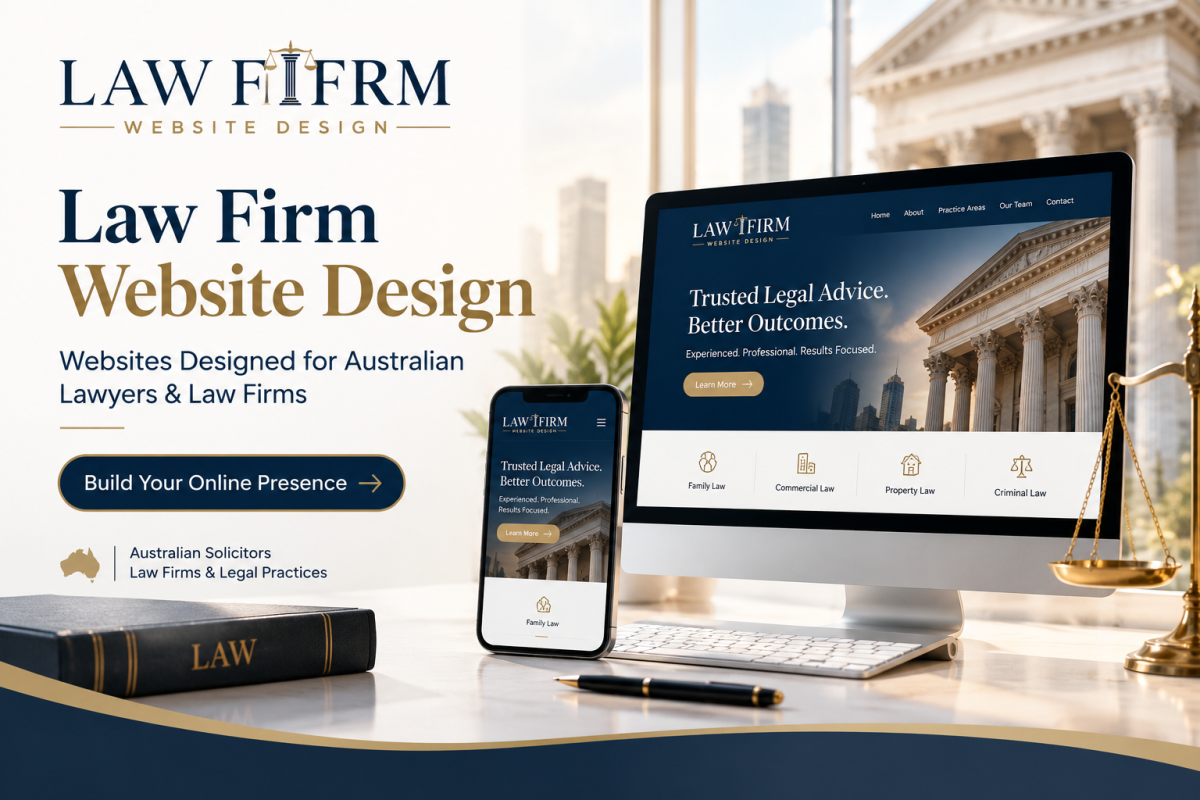
A law firm's website should make it easy for visitors to understand its services, find important information and contact the practice. However, even a visually attractive website can create frustration if visitors cannot navigate it properly.
Website navigation plays an important role in the overall user experience. It determines how people move between pages, discover information and interact with different sections of a website.
For legal practices, clear navigation is particularly important because visitors may be looking for specific information during stressful or time-sensitive situations. A well-organised website can make this process simpler and more comfortable.
1. Helps Visitors Find Legal Services Quickly
People visiting a law firm's website often have a particular requirement. They may be searching for help with family disputes, property transactions, business matters or estate planning.
If all services are placed on one long page without clear sections, visitors may struggle to find the information they need.
A better approach is to organise services into separate pages or clearly defined categories.
For example, a firm offering multiple legal services could structure its navigation menu around:
-
Family Law
-
Criminal Law
-
Property Law
-
Commercial Law
-
Estate Planning
-
About Us
-
Contact
This structure allows visitors to identify relevant sections without unnecessary searching.
2. Creates a Better First Impression
Navigation is one of the first elements visitors interact with when opening a website.
A menu that is overcrowded, confusing or poorly organised may make a business appear difficult to deal with.
On the other hand, a clean navigation system helps communicate that the firm values clarity and accessibility.
Good lawyer web design considers the entire visitor journey, starting from the homepage and continuing through service pages, team information and contact sections.
The objective is to make every important part of the website easy to access.
3. Improves Mobile Browsing
Many people search for legal services using smartphones. Navigation that works well on a desktop may not provide the same experience on smaller screens.
Mobile-friendly menus should be simple, easy to open and comfortable to use.
Important features include readable menu labels, appropriately sized touch controls, accessible contact buttons and a layout that adjusts to different screen sizes.
Telephone numbers should also be easy to tap so visitors can call the firm directly.
Responsive navigation is an essential element of modern legal website design.
4. Helps Visitors Understand the Firm's Structure
A well-organised website communicates how a law firm operates and which services it provides.
For example, separate sections for legal services, lawyer profiles, locations and educational resources help visitors understand the business.
A logical hierarchy also allows firms to organise related information together.
Breadcrumb navigation can be useful on larger websites because it shows visitors where they are within the website structure.
This is particularly helpful when a visitor arrives directly on a detailed service page through a search engine.
5. Supports Search Engine Optimisation
Website navigation does not only benefit human visitors. It also helps search engines discover and understand website content.
Internal links connect related pages and provide additional context about the relationship between different sections.
For example, a law firm's family law page could link to relevant articles explaining common family law questions.
A clear website hierarchy also helps search engines identify important pages and understand how the site's content is organised.
For firms investing in SEO for lawyers in Melbourne, a logical navigation structure can support the wider SEO strategy.
It is important to remember that navigation alone will not improve rankings. It should work alongside relevant content, technical optimisation, page performance and appropriate internal linking.
6. Makes Contact Information Easier to Access
A major purpose of a law firm's website is to help potential clients make enquiries.
If contact details are difficult to find, visitors may leave without taking the next step.
Contact information should be available through a clearly labelled menu item and may also appear in the website footer.
Useful contact elements include:
-
Office telephone number.
-
Email address.
-
Physical office location.
-
Enquiry form.
-
Consultation information.
-
Business hours, where relevant.
Calls to action such as "Contact Our Team" can also guide visitors towards the appropriate page.
7. Reduces Unnecessary Steps
Visitors should not need to click through multiple unrelated pages to find basic information.
A well-designed website keeps important information accessible and avoids unnecessary navigation layers.
For example, someone interested in a particular legal service should be able to reach its main information page directly from the primary menu.
Similarly, a contact form should not be hidden behind several unrelated sections.
Reducing unnecessary steps makes browsing more convenient and can support better engagement.
8. Use Consistent Navigation Across Every Page
Visitors may enter a law firm's website through a blog article or a specific service page rather than the homepage.
This means the navigation system should remain consistent across the website.
The main menu, logo link, footer and contact options should provide a familiar experience regardless of which page someone visits.
Consistency helps visitors move between sections without having to learn a new layout.
Common Website Navigation Mistakes to Avoid
Some common mistakes include using vague menu labels, creating too many menu items, hiding contact information and failing to optimise navigation for mobile devices.
Law firms should also avoid creating unnecessary dropdown menus or using technical legal terminology that visitors may not understand.
Regular website testing can identify broken links, confusing menu structures and pages that are difficult to access.
Conclusion
Website navigation is a fundamental part of creating a useful and accessible legal website. It helps visitors find services, understand the firm, explore relevant information and make contact more easily.
By combining logical page organisation, mobile-friendly menus and clear internal links, law firms can create a smoother browsing experience.
Effective navigation is therefore an important consideration when planning lawyer web design and building a website that supports both user experience and long-term search visibility.

We design law firm websites that build trust, generate enquiries and help potential clients feel confident contacting your firm. https://lawfirmwebsitedesign.com.au/









Comments (0)