

Plumbing Repair vs. Replacement: How to Know Which Option Is Best
Learn when to choose plumbing repair or replacement. Discover key warning signs, cost factors, and tips for making the right decision.

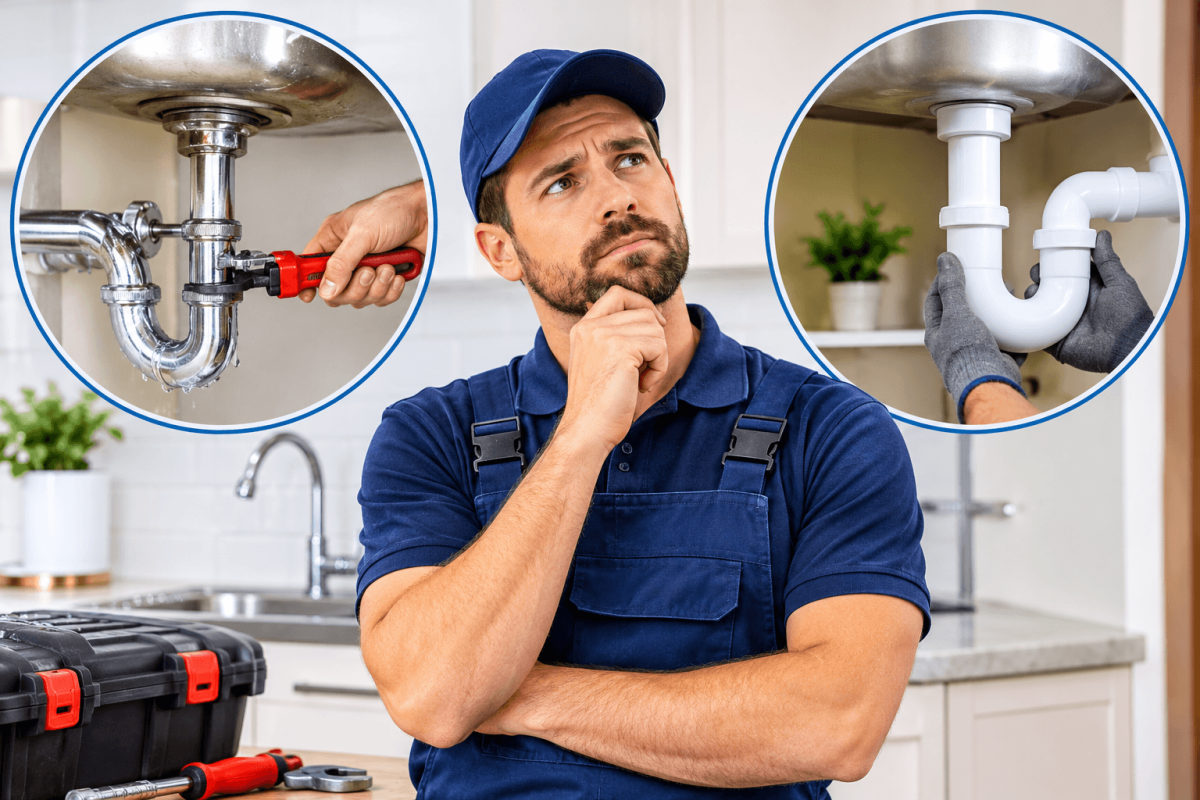
Plumbing problems can happen at any time, from leaking faucets and clogged drains to damaged pipes and malfunctioning water heaters. When something goes wrong, homeowners often face an important decision: should they repair the existing plumbing component or replace it entirely?
Choosing between plumbing repair and replacement depends on several factors, including the age of the plumbing system, the extent of the damage, repair costs, and the likelihood of future problems. Making the right decision can help you avoid unnecessary expenses and keep your home's plumbing system functioning properly.
In this guide, we'll explain when plumbing repairs make sense, when replacement is the better option, and how professional plumbers can help you choose the right solution.
1. When Is Plumbing Repair the Best Option?
Plumbing repair is often the most practical choice when the problem is minor, isolated, and relatively inexpensive to fix. If the affected fixture or pipe is still in good condition, a professional repair may restore its performance without requiring a complete replacement.
Here are some situations where plumbing repair may be the better option:
Minor Pipe Leaks
Small leaks around pipe joints, fittings, or connections can often be repaired without replacing the entire plumbing line. Fixing these leaks early can prevent water damage and reduce water waste.
Dripping Faucets
A dripping faucet may be caused by worn-out washers, damaged seals, or faulty cartridges. Replacing these small components is usually more cost-effective than installing a completely new faucet.
Running Toilets
Toilets that continue running after flushing may have worn flappers, faulty fill valves, or improperly adjusted float mechanisms. These components can often be repaired or replaced individually.
Minor Drain Clogs
If a drain is blocked due to accumulated grease, soap residue, hair, or debris, professional drain cleaning may restore normal water flow without replacing the pipes.
Small Water Heater Issues
Some water heater problems, such as faulty thermostats, heating elements, or pressure relief valves, can be resolved through targeted repairs, depending on the unit's condition.
2. When Should You Consider Plumbing Replacement?
Although repairs can solve many plumbing problems, replacement may be the smarter long-term investment when components are severely damaged, outdated, or repeatedly failing.
Consider plumbing replacement in the following situations:
Frequently Leaking Pipes
If your plumbing system develops leaks in multiple locations, it may indicate widespread pipe deterioration. Repeatedly repairing individual leaks can become expensive. Replacing the affected pipe sections or repiping the home may provide a more reliable solution.
Severely Corroded Pipes
Older metal pipes can deteriorate over time due to corrosion, mineral buildup, and water chemistry. Signs of corrosion include rusty water, frequent leaks, visible rust, and reduced water pressure.
If the pipes are significantly deteriorated, replacement may be necessary to restore reliable water flow.
Repeated Drainage Problems
Recurring clogs, slow drains, and frequent sewer backups may indicate damaged or deteriorating drain lines. When cleaning and minor repairs no longer solve the problem, professional pipe repair or replacement may be required.
Outdated Plumbing Fixtures
Old faucets, toilets, and other plumbing fixtures may become inefficient and require frequent repairs. Replacing outdated fixtures with modern, water-efficient models can improve performance and reduce water consumption.
Aging Water Heaters
If your water heater frequently breaks down, struggles to provide hot water, or develops tank leaks, replacement may be more practical than continuing to pay for repairs. A leaking storage tank generally requires replacement rather than repair.
3. Plumbing Repair vs. Replacement: Key Factors to Consider
Before making a decision, evaluate these important factors.
Age of the Plumbing Component
The age of a plumbing fixture or system can influence whether repair or replacement makes more sense. Older components may have more wear and may be more likely to develop additional problems.
For example, repairing a relatively new faucet with a faulty cartridge is usually reasonable. However, an old, heavily corroded pipe may be better suited for replacement.
Cost of Repairs
Compare the cost of the proposed repair with the cost of replacement, including labor, materials, and any additional work.
If repairs are becoming frequent and expensive, replacement may offer better long-term value.
Frequency of Plumbing Problems
One isolated plumbing issue does not necessarily mean you need a replacement. However, repeated failures in the same component or multiple problems throughout the system may indicate that the plumbing is nearing the end of its useful life.
Extent of Damage
Minor leaks and damaged fittings can often be repaired. However, cracked pipes, extensive corrosion, severe structural damage, and leaking water heater tanks may require replacement.
Energy and Water Efficiency
Older plumbing fixtures and appliances may consume more water or energy than newer models. Replacing outdated toilets, faucets, and water heaters with efficient alternatives can help reduce utility expenses over time.
4. Common Plumbing Components: Repair or Replace?
Different plumbing components require different approaches. Here's a quick comparison to help homeowners understand when each option may be appropriate.
| Plumbing Component | Repair When | Replace When |
|---|---|---|
| Pipes | Leak is minor and localized | Pipes are extensively corroded or repeatedly leaking |
| Faucets | Washers, seals, or cartridges are damaged | Fixture is old, damaged, or frequently failing |
| Toilets | Flapper or fill valve needs repair | Porcelain is cracked or the toilet is beyond economical repair |
| Water Heaters | Minor components are malfunctioning | Tank is leaking or the unit is severely deteriorated |
| Drains | Blockage is caused by debris or buildup | Pipes are collapsed, severely damaged, or deteriorated |
| Sewer Lines | Damage is limited and repairable | Extensive structural damage makes replacement necessary |
A professional inspection can help determine the most suitable solution for your particular plumbing issue.
5. Benefits of Choosing Professional Plumbing Repair Services
Whether your plumbing system needs a small repair or a complete replacement, professional assistance can help you avoid costly mistakes.
Here are some important benefits of hiring experienced plumbers:
-
Accurate Problem Diagnosis: Professional plumbers use specialized tools and experience to identify the actual source of plumbing problems.
-
Long-Lasting Repairs: Proper repair techniques help prevent recurring leaks, drainage issues, and other plumbing complications.
-
Cost-Effective Solutions: A professional can explain whether repairing or replacing a component offers better long-term value.
-
Improved Plumbing Performance: Timely repairs and appropriate upgrades help maintain consistent water pressure and drainage.
-
Reduced Risk of Water Damage: Professional plumbing work helps protect walls, flooring, foundations, and other parts of your property.
Choosing reliable plumbing repair services ensures that problems are addressed correctly and that replacement work is recommended when necessary.
6. How to Avoid Frequent Plumbing Repairs
Regular maintenance can extend the lifespan of plumbing fixtures and help prevent unexpected breakdowns.
Follow these practical tips to keep your plumbing system in good condition:
-
Schedule Regular Inspections: Have a professional plumber inspect pipes, fixtures, drains, and water heaters periodically.
-
Fix Leaks Early: Address dripping faucets, leaking connections, and running toilets before they cause additional damage.
-
Avoid Drain Blockages: Do not pour grease, cooking oil, or other unsuitable materials down your drains.
-
Monitor Water Pressure: Excessively high water pressure can place unnecessary stress on pipes and plumbing connections.
-
Maintain Your Water Heater: Follow the manufacturer's maintenance recommendations to reduce sediment buildup and improve performance.
-
Replace Worn Components: Address aging washers, seals, valves, and other components before they fail completely.
Preventive maintenance can reduce the need for emergency plumbing repairs and help you get more value from your existing plumbing system.
7. How to Make the Right Decision for Your Home
The best way to decide between plumbing repair and replacement is to consider the overall condition of the affected component rather than focusing only on the immediate problem.
Start by identifying the issue and determining how extensively the plumbing system is affected. Next, compare the estimated repair and replacement costs, consider the age of the component, and evaluate whether similar problems have occurred before.
A professional plumber can inspect the system, explain available options, and recommend a solution based on safety, performance, and long-term value.
Avoid delaying necessary repairs, especially when dealing with active leaks, sewage backups, or major pipe damage. These problems can quickly lead to more expensive property damage.
Final Thoughts
Choosing between plumbing repair and replacement doesn't have to be difficult. Minor issues such as dripping faucets, small pipe leaks, and faulty toilet components can often be resolved through professional repairs. However, extensively corroded pipes, recurring plumbing failures, and severely damaged fixtures may require replacement.
Understanding the condition of your plumbing system and addressing problems early can help you save money, prevent water damage, and maintain reliable performance.
If you're unsure whether your plumbing system needs repair or replacement, White Plumbing Company can help assess the problem and recommend an appropriate solution. Professional plumbing services can keep your home's plumbing system operating efficiently and reliably for years to come.











Comments (0)