

How an Early Learning Environment Can Shape a Child's Future for a Lifetime
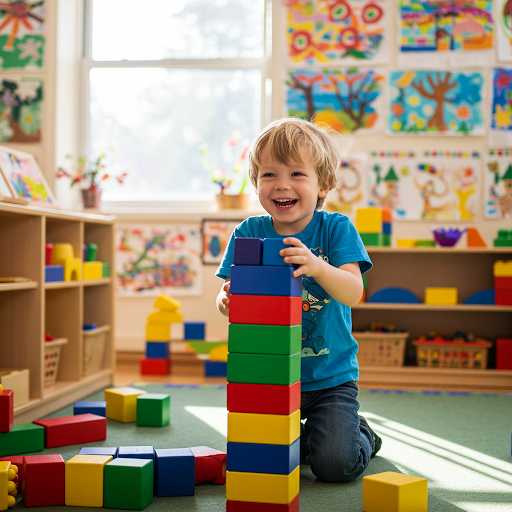
A child's first experiences outside the home can be full of small discoveries. It might be the first time they share a toy, ask a question in front of other children, complete a simple puzzle or find the confidence to try something without help. These moments may seem ordinary to adults, but they are important parts of growing up.
The environment in which children spend their early years can influence how they communicate, understand emotions, build relationships and approach new experiences. This is one reason why choosing an appropriate early learning environment deserves careful thought from parents.
Early childhood is not simply a preparation period before school. It is a stage when children begin developing skills and habits that can support them throughout life.
1. A Safe Environment Helps Children Develop Confidence
Think about a child who is hesitant to join a group activity. They may prefer watching other children rather than participating. When they are given enough time, encouragement and a welcoming space, they may eventually feel comfortable joining in.
Experiences like these help children develop confidence gradually.
A supportive early learning environment allows children to explore their surroundings without feeling pressured to get everything right. They can ask questions, make mistakes and try again. Instead of expecting children to learn everything immediately, educators can encourage them to progress at their own pace.
This confidence can become useful as children enter primary school, meet unfamiliar people and experience new situations.
For parents considering a childcare centre in Bundaberg, it is worth looking beyond the appearance of a classroom. The way children are welcomed, supported and encouraged throughout the day is equally important.
2. Everyday Interactions Build Social Skills
Young children learn a great deal by spending time with others. Playing together, waiting for a turn, sharing materials and listening to another person's ideas introduce them to the basics of social interaction.
For example, two children playing with building blocks might want the same piece. With gentle guidance, they can begin understanding that other people have feelings and preferences too.
These experiences help develop:
-
Cooperation and teamwork.
-
Respect for other people's feelings.
-
Patience and turn-taking.
-
Communication and listening.
-
The ability to build friendships.
Social skills are not developed through instructions alone. Children need opportunities to practise them in everyday situations.
A positive early learning environment provides opportunities for children to interact with their peers while receiving guidance when they need it. These early experiences can help them feel more comfortable forming relationships as they grow older.
Research published in JAMA Network Open also found improvements in social competence, emotional skills and behavioural self-regulation among children participating in early childhood social and emotional learning programmes.
3. Emotional Development Starts With Feeling Understood
Children do not always know how to explain what they are feeling. A child might become upset when a parent leaves, feel frustrated when an activity becomes difficult or struggle to express disappointment.
These reactions are a normal part of early development.
What matters is how adults respond to them.
When children receive patient and reassuring support, they gradually begin recognising their emotions and finding appropriate ways to express them. They also learn that feeling sad, angry or worried is not something they need to hide.
For example, an educator might help a child put their feelings into words instead of simply telling them to stop crying. Over time, this can support emotional awareness and self-regulation.
These abilities matter beyond childhood. Understanding emotions can help individuals manage everyday challenges, communicate more effectively and maintain healthier relationships.
4. Learning Through Play Develops Curiosity and Thinking Skills
Children often learn more naturally when they are actively involved in something.
A simple activity such as sorting coloured objects can introduce early mathematical thinking. Looking at picture books encourages language development, while building with blocks introduces shapes, patterns and problem-solving.
Outdoor play can also give children opportunities to observe nature, explore movement and discover how things work.
The important part is that learning does not always need to look like a formal classroom lesson.
A thoughtfully planned early learning environment gives children different ways to explore ideas, ask questions and develop their interests.
These experiences can strengthen:
-
Early language and communication.
-
Memory and attention.
-
Problem-solving abilities.
-
Creativity and imagination.
-
Early literacy and numeracy.
The OECD's research on early learning and child well-being identifies early literacy, numeracy, self-regulation and social-emotional skills as important foundations for later development.
5. Positive Relationships With Educators Make a Difference
The people around a child are just as important as the physical learning space.
Children benefit from relationships with adults who listen to them, respond to their needs and show genuine interest in their development. Consistent, caring interactions can help children feel secure enough to explore and participate.
Consider a child who is trying to complete a drawing. Rather than taking over, an educator might ask what they are creating, encourage them to continue and appreciate their effort.
This kind of interaction gives children an opportunity to make their own decisions while knowing that support is available.
It also shows them that their ideas and efforts matter.
For families choosing an early learning centre, it is useful to observe how educators communicate with children, handle difficult moments and encourage participation.
6. Independence Begins With Small Daily Activities
Independence does not suddenly appear when a child starts school. It develops through repeated opportunities to do manageable things for themselves.
Simple daily activities can make a difference:
-
Choosing between two activities.
-
Putting away toys after playtime.
-
Attempting to put on shoes.
-
Washing hands with guidance.
-
Helping organise learning materials.
These activities give children a sense of responsibility and allow them to practise making decisions.
Of course, younger children will need more assistance, and every child develops at a different pace. The purpose is not to make children independent before they are ready, but to give them appropriate opportunities to build confidence in their abilities.
Over time, these experiences can help them approach everyday tasks with greater confidence.
7. The Benefits Can Continue Beyond the Early Years
The influence of early childhood experiences does not end when children move into primary school.
The skills they begin developing during these years can support their future learning, relationships and general well-being.
A child who has had opportunities to communicate may find it easier to express ideas. A child who has practised sharing and cooperation may feel more comfortable working with classmates. Someone who has been encouraged to explore and ask questions may approach unfamiliar learning experiences with curiosity.
However, it is important to understand that early experiences do not determine a child's entire future. Children continue learning and developing through their families, schools, communities and later experiences.
The aim of quality early learning is to give every child a positive foundation, not to predict what they will become.
Choosing an Early Learning Environment in Bundaberg
For parents, selecting an early learning centre is an important family decision. A centre should offer more than a place where children spend time while their parents are working. It should provide opportunities for learning, interaction, exploration and development.
When exploring childcare options, parents may want to consider the following:
-
Are children welcomed and treated with patience?
-
Do educators encourage children to ask questions?
-
Are there opportunities for indoor and outdoor play?
-
Can children participate in activities suited to their age and development?
-
Is communication between families and educators encouraged?
-
Does the environment feel safe, comfortable and welcoming?
Above & Beyond Early Learning provides early learning and childcare for children aged 6 weeks to 5 years in Bundaberg. The centre operates Monday to Friday, from 6 AM to 6 PM, for 51 weeks of the year.
For families exploring Bundaberg childcare options, understanding the learning environment, daily routines and approach to child development can help them make a more informed decision.
Final Thoughts
A child's future is shaped by many experiences, and the early years are an important part of that journey. The opportunity to explore, communicate, build friendships and develop independence can give children skills that remain useful as they grow.
Sometimes, the most meaningful learning moments are not complicated. They happen when a child tries something new, receives encouragement, solves a small problem or learns to understand someone else's feelings.
A good early learning environment recognises the importance of these everyday moments and gives children the space and support to grow at their own pace.
For parents, choosing the right early learning centre is not just about finding childcare. It is about finding an environment where their child can feel comfortable, supported and encouraged to discover the world around them.

Child care and early education center for kids from 6 weeks to 5 years for Bundaberg families.










Comments (0)