

Can Liposuction Help Remove Fat That Remains After Weight Loss?
Liposuction in Dubai can target stubborn fat after weight loss. Learn about suitable areas, skin elasticity, recovery, and realistic body contouring results.
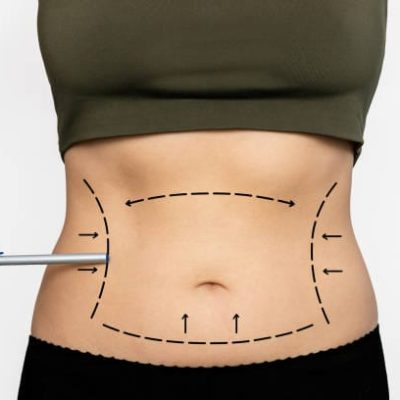
Losing weight is a significant achievement, but reaching a healthier weight does not always mean achieving the body shape a person expects. Some individuals continue to notice stubborn fat deposits around the abdomen, thighs, hips, flanks, or upper arms even after following a balanced diet and regular exercise routine. These remaining fat pockets can affect body proportions and make certain areas appear fuller than desired.
Liposuction in Dubai is a cosmetic surgical procedure designed to remove localised fat deposits from specific areas of the body. It may help individuals who have reached a relatively stable weight but struggle with fat that does not respond to lifestyle changes. Understanding how the procedure works, its suitability, and its limitations can help people make informed decisions.
Why Does Fat Remain After Weight Loss?
Fat distribution varies between individuals due to genetics, hormones, age, lifestyle, and body composition. During weight loss, the body reduces stored fat throughout different areas, but it does not necessarily lose fat evenly.
Some areas may respond quickly to dietary changes and physical activity, while others retain noticeable fat deposits. Common areas include:
-
Lower abdomen and waistline
-
Outer and inner thighs
-
Hips and flanks
-
Upper arms
-
Back and lower back
-
Chin and neck
Genetics can influence where the body stores fat and which areas are more resistant to weight changes. Hormonal fluctuations and ageing may also affect fat distribution. Consequently, reaching a healthy weight does not always eliminate every localised fat pocket.
Can Liposuction Remove Stubborn Fat After Weight Loss?
Yes, liposuction can help remove selected fat deposits that remain after weight loss. It involves inserting a thin tube called a cannula through small incisions to loosen and suction out excess fat beneath the skin.
Unlike general weight-loss methods, liposuction focuses on reshaping specific body areas rather than reducing overall body weight. It may improve body contours by addressing disproportionate fat deposits that remain despite consistent lifestyle efforts.
For example, someone who has lost considerable weight may still have fullness around the lower abdomen or hips. If the remaining fat is localised and the individual meets medical suitability requirements, liposuction may be considered as a body-contouring option.
However, it is important to understand that liposuction is not a treatment for obesity or a replacement for healthy weight management.
Which Body Areas Can Benefit From Liposuction?
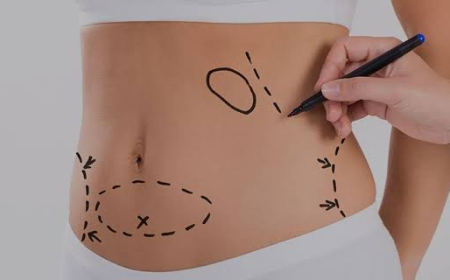
Liposuction can target several areas where stubborn fat accumulates. The appropriate treatment area depends on individual anatomy, skin quality, fat distribution, and overall health.
Abdomen: Some people continue to experience lower abdominal fullness after losing weight. Liposuction may help reduce localised subcutaneous fat in this region.
Waist and Flanks: Fat around the waist and sides can affect the body's natural outline. Removing selected deposits may create a more defined waistline.
Thighs: Inner and outer thigh fat can remain noticeable even when overall body weight decreases. Liposuction may help improve the proportions of these areas.
Upper Arms: Persistent fat around the upper arms may affect their appearance. Suitable candidates may consider treatment to improve arm contours.
Back: Localised deposits around the upper or lower back can sometimes be addressed through carefully planned fat removal.
Not everyone is suitable for treatment in every area. A professional assessment is necessary to determine the safest and most appropriate approach.
Does Skin Tighten After Liposuction?
Skin elasticity is an important factor when considering liposuction after significant weight loss. When fat is removed, the skin needs sufficient elasticity to adapt to the body's new contours.
People with good skin elasticity may experience better natural adjustment after treatment. However, individuals who have lost a substantial amount of weight may have loose or excess skin that does not retract adequately.
Liposuction removes fat but does not remove significant excess skin. In cases involving considerable skin laxity, procedures such as a tummy tuck may be discussed as alternative or complementary options, depending on individual needs.
This is why assessing skin quality before surgery is essential for setting realistic expectations.
Who Is a Suitable Candidate for Liposuction After Weight Loss?
Liposuction may be appropriate for adults who have achieved a relatively stable weight and have specific areas of localised fat they would like to address.
Potential candidates generally:
-
Maintain a stable and healthy body weight.
-
Have stubborn fat deposits in specific areas.
-
Have reasonable skin elasticity.
-
Are in suitable overall health for surgery.
-
Understand the benefits and limitations of the procedure.
-
Have realistic expectations about body contouring results.
People with uncontrolled medical conditions, significant skin laxity, or unrealistic expectations may require additional evaluation or alternative treatment recommendations.
A consultation and appropriate medical assessment help determine whether liposuction is a suitable option.
What Is Recovery Like After Liposuction?
Recovery varies depending on the treatment area, amount of fat removed, surgical technique, and individual healing response.
Swelling, bruising, tenderness, and temporary discomfort are common during the initial recovery period. These effects gradually improve as the body heals.
Patients may be advised to wear compression garments to support the treated areas and help manage swelling. Light movement is generally encouraged according to medical instructions, while strenuous exercise and heavy physical activities should be avoided until the treating surgeon confirms they are safe.
Follow-up appointments are important because they allow the medical team to monitor healing and identify any complications. Final body contours may take several months to become apparent as swelling gradually settles.
How Can Patients Maintain Their Results?
Maintaining a stable weight after liposuction is important for preserving body-contouring improvements. Although removed fat cells do not grow back in the same way, remaining fat cells can enlarge if a person gains weight.
A sustainable maintenance routine may include:
-
Eating a balanced and nutritious diet.
-
Staying physically active.
-
Maintaining consistent exercise habits.
-
Drinking sufficient water.
-
Monitoring significant weight changes.
-
Following medical advice during recovery.
Liposuction should be viewed as a body-contouring procedure rather than a long-term weight-management solution.
Exploring Liposuction at Tajmeels Clinic in Dubai
Choosing an appropriate clinic is an important part of the liposuction journey. At tajmeels clinic dubai, patients can discuss their body-contouring concerns and explore whether liposuction is suitable for their individual needs. The consultation process may involve reviewing medical history, evaluating fat distribution, assessing skin elasticity, and discussing treatment goals. Understanding these factors helps establish realistic expectations and supports personalised treatment planning. Patients can also discuss recovery requirements, potential risks, and alternative procedures before making an informed decision about surgery.
Conclusion
Liposuction can help remove stubborn fat deposits that remain after weight loss, particularly when a person has reached a stable weight but continues to experience localised fullness. It may improve body proportions and create more defined contours in selected areas. However, results depend on skin elasticity, overall health, individual anatomy, and post-treatment weight maintenance. A professional consultation is essential to determine suitability and understand the potential benefits and limitations before proceeding.
More Information
Tajmeels Clinic Dubai
WhatsApp: +971 56 203 8751
Phone: tel:+971 43739000
Social Media:
Tajmeels clinic is different from other cosmetic resorts because our doctors are specialized in their fields from the best organizations in the world







Comments (0)