

Understanding Urological Cancers: Types, Symptoms, Diagnosis, and Treatment
Understand urological cancers, their types, warning signs, diagnosis, and treatment options. Learn how early detection and expert uro-oncology care can improve treatment outcomes.

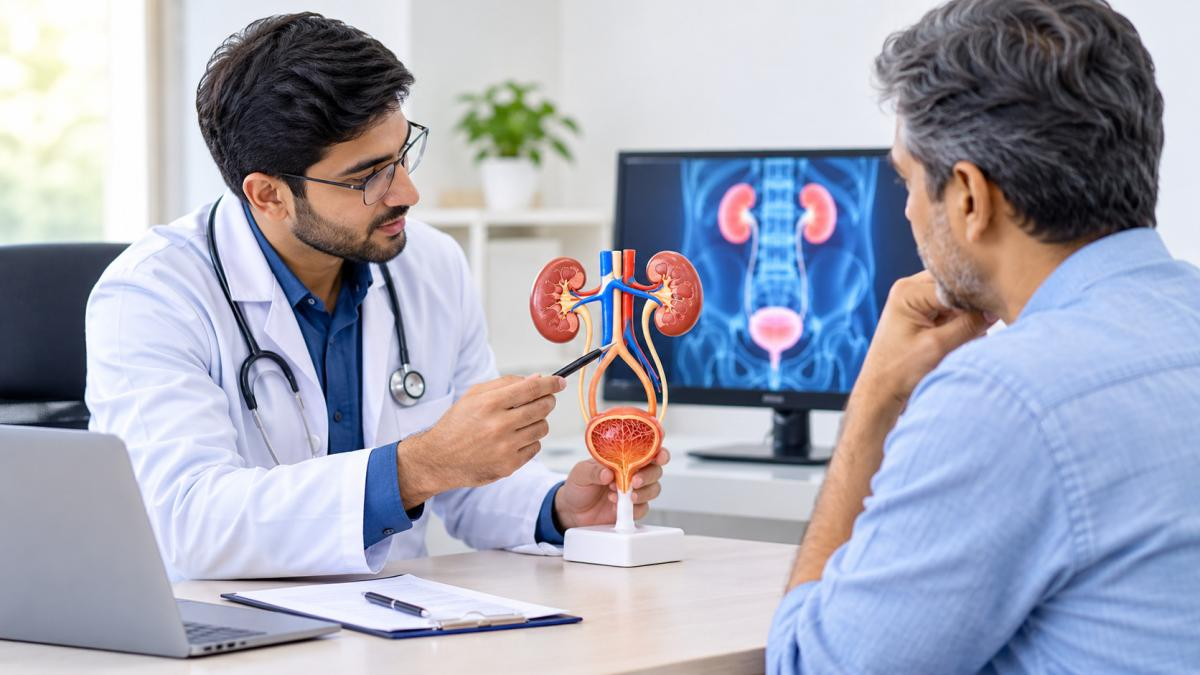
Hearing the word cancer is frightening, and when it involves the kidneys, bladder, or prostate, many people feel unsure where to begin. Symptoms can be subtle, and embarrassment sometimes delays a visit to the doctor. Understanding the main types, the warning signs, and the way treatment is planned can replace some of that fear with clarity. Early evaluation often keeps more options open.
What Counts as a Urological Cancer
Urological cancers begin in organs of the urinary system and the male reproductive system. These include the kidneys, bladder, prostate, testicles, and, more rarely, the penis and the ureters. Each behaves differently, grows at its own pace, and responds to different treatments. That is why a precise diagnosis matters far more than a general label, and why guidance from the right specialist makes such a difference.
The Specialist Behind Your Care
Care for these conditions is guided by doctors trained in both urology and cancer treatment. A uro oncologist in Vadodara can examine you, order the right tests, explain what the results mean, and plan treatment together with radiologists, pathologists, and medical oncologists. This team approach helps ensure that surgery, medicines, and radiation are chosen to fit the individual instead of following a fixed routine. Do not hesitate to ask the doctor to explain each step in plain language.
Cancer of the Prostate
Prostate cancer is among the most common cancers in men, especially after middle age. Early disease may cause no symptoms, so screening discussions with a doctor are valuable. Later signs can include a weak stream, frequent urination at night, or blood in the urine. Specialists planning prostate cancer treatment in Vadodara weigh how far the disease has spread, the patient’s age, and general health. Options range from careful monitoring to surgery or radiation, and no single approach suits everyone.
Cancer of the Kidney
Kidney tumours are often found by chance during scans done for other reasons. When symptoms do appear, they may include blood in the urine, a lump or pain in the side, unexplained weight loss, or persistent tiredness. Modern kidney cancer treatment in Vadodara usually begins with imaging to define the size and position of the tumour, and surgery is a common approach for many cases. Medicines are used for others, and your specialist will explain what applies to you.
Cancer of the Bladder
Painless blood in the urine is the most common early sign of bladder cancer, and it should never be ignored even if it comes and goes. Other bladder cancer symptoms include burning during urination, a frequent urge to pass urine, and pelvic pain. These signs overlap with infection, which is why testing matters. Smoking is a well-known risk factor, and exposure to certain workplace chemicals can add to it.
Other Cancers of the Urinary and Reproductive Tract
Cancers of the testicle and penis are less common, but they deserve attention. A painless lump or swelling in a testicle, or a sore or skin change on the penis, should be checked promptly. Testicular cancer often affects younger men, and many cases can be treated effectively when found early. Never feel embarrassed about seeking help, because doctors deal with these concerns every day.
How Doctors Make the Diagnosis
Doctors begin with your history and a physical examination, followed by urine and blood tests. Imaging such as ultrasound, CT, or MRI shows the size and location of a tumour. A telescope examination of the bladder, or a biopsy of the prostate or a kidney mass, confirms the diagnosis and helps determine its grade. Together, these results decide the stage and guide treatment. Bring all earlier reports, since comparing results over time is often helpful.
Treatment Options
Treatment depends on the cancer type, its stage, and the patient’s overall health. Surgery may remove the tumour or the affected organ, and in some cases small instruments allow smaller incisions and quicker recovery. Radiation, hormone therapy, chemotherapy, immunotherapy, and targeted medicines are used in different situations, sometimes in combination. Ask about the expected benefits, side effects, and alternatives before agreeing to any plan, and consider a second opinion if you feel unsure.
Choosing Where to Be Treated
Cancer care works best when diagnosis, surgery, medicines, radiation, and support services are coordinated. A trusted kidney care hospital in Vadodara with urology and oncology teams, modern imaging, and experienced nursing staff can reduce delays and repeated travel between centres. Ask about the team’s experience, how cases are reviewed together, and how follow-up is arranged. A second opinion is always reasonable, and good doctors welcome it.
Living and Recovering
Treatment is only part of the journey. Recovery may involve physical changes, tiredness, and emotional strain, and families need support too. Follow-up visits and tests watch for any return of the disease. Balanced nutrition, gentle exercise, and counselling can help, and many hospitals offer rehabilitation services and patient support groups. Be open with your care team about how you feel, in body and mind.
Final Thoughts
Urological cancers are serious, but understanding them removes much of the mystery. Persistent blood in the urine, pain, lumps, or changes in urination deserve prompt medical attention. This article offers general information only, so please speak to a qualified doctor about your own health.











Comments (0)