

How Yoga Helps Improve Sleep Quality And Relax The Mind
Learn how yoga supports better sleep through gentle stretches, pranayama, and meditation. Discover simple practices to relax your body and mind.
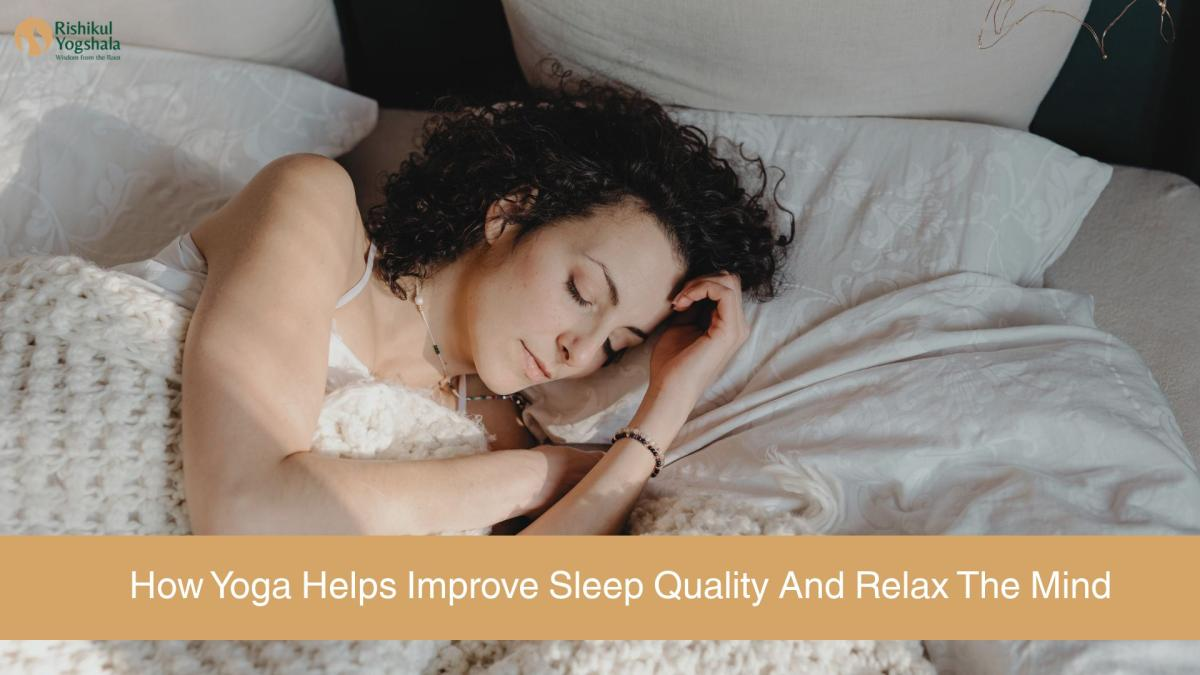
Introduction
A good night's sleep is essential for maintaining physical energy, concentration, and emotional balance. However, many people struggle to fall asleep or maintain a regular sleep schedule. Work pressure, screen exposure, irregular routines, and everyday stress can all affect sleep habits.
While yoga is not a medical treatment for sleep disorders, it can become a helpful part of a relaxing evening routine. Gentle postures, breathing exercises, and meditation encourage people to slow down and become more aware of their bodies.
With consistent practice and healthy sleep habits, yoga may help create a more comfortable transition from daily activity to rest.
What Is The Connection Between Yoga And Better Sleep?
Yoga combines physical movement, breathing awareness, and relaxation. These elements can help people create a calmer environment before bedtime.
Gentle stretching may reduce the feeling of physical tension after a long day. Slow breathing encourages a steady rhythm, while meditation offers a break from repetitive thoughts and everyday distractions.
People interested in studying these traditional practices in greater detail may explore a 200 hour yoga teacher training in rishikesh. Such programmes introduce students to asana, pranayama, meditation, anatomy, and yogic philosophy, providing a broader understanding of the relationship between physical and mental well-being.
How Yoga May Support Better Sleep Quality
Yoga can contribute to a healthier sleep routine in several ways.
1. Helps Release Physical Tension
Sitting for long periods, working at a desk, or performing repetitive activities can create tension in the shoulders, back, and hips.
Gentle yoga movements encourage comfortable mobility and relaxation. This may make it easier to settle into a resting position at night.
2. Encourages Mindful Breathing
Many people breathe shallowly or become unaware of their breathing when feeling stressed.
Simple breathing exercises help bring attention to the natural rhythm of inhalation and exhalation. Practising slowly and comfortably may encourage a sense of calm before bedtime.
3. Creates A Consistent Evening Routine
A regular bedtime routine helps signal that the day is coming to an end. Replacing late-night scrolling or demanding activities with gentle yoga can create a more peaceful transition towards sleep.
4. Supports Mental Relaxation
Meditation encourages people to observe thoughts without becoming completely involved in them. This may be useful for individuals who find themselves thinking repeatedly about work, responsibilities, or unfinished tasks.
5. Promotes Awareness Of Daily Habits
Yoga encourages self-observation. Over time, practitioners may become more aware of how late meals, excessive screen time, irregular sleep schedules, or stressful routines affect their rest.
Five Gentle Yoga Poses To Practise Before Bed
An evening yoga routine does not need to be physically demanding. The following poses can be performed slowly and comfortably.
1. Balasana (Child's Pose)
Child's Pose is a gentle resting posture that encourages relaxation.
Kneel on a mat and bring your hips towards your heels. Slowly lower your upper body forward and rest your forehead on the mat or a cushion.
Keep your arms relaxed and breathe naturally. If your knees feel uncomfortable, use additional support or choose another resting position.

2. Supta Baddha Konasana (Reclining Bound Angle Pose)
Lie on your back and bring the soles of your feet together. Allow your knees to move gently outwards.
Place cushions beneath your thighs if necessary. Rest your hands comfortably and observe your breathing.
Remain in the posture only as long as it feels comfortable.

3. Viparita Karani (Legs-Up-The-Wall Pose)
Sit sideways next to a wall and gently move your legs upwards while lowering your back towards the floor.
Allow your legs to rest against the wall. Place a folded blanket beneath your hips if comfortable.
This supported posture can be relaxing for some people. Those who experience discomfort should choose another position.

4. Paschimottanasana (Seated Forward Bend)
Sit with your legs extended in front of you. Inhale and lengthen your spine, then exhale and gently lean forward from the hips.
Rest your hands on your legs or feet without forcing the stretch. Keep your knees slightly bent if needed.

5. Shavasana (Corpse Pose)
Lie comfortably on your back with your arms resting beside your body and your legs relaxed.
Close your eyes and observe your breathing. Allow your muscles to soften without trying to control every sensation.
Practise for three to five minutes.

Breathing Exercises For Evening Relaxation
Breathing practices can complement gentle yoga postures. The aim is to develop comfortable awareness rather than force the breath.
1. Slow Diaphragmatic Breathing
Lie down or sit comfortably. Place one hand on your abdomen and observe its natural movement.
Breathe in gently through your nose and allow the abdomen to expand. Exhale slowly without pushing the air out.
Continue for three to five minutes.
2. Bhramari Pranayama (Humming Bee Breath)
Sit comfortably and take a gentle inhalation. During exhalation, make a soft humming sound.
Notice the vibration without straining your throat or holding your breath. Repeat a few times if comfortable.
This practice can provide a quiet moment before bedtime.

Other Healthy Habits That Support Restful Sleep
Yoga works best when combined with practical sleep habits.
-
Maintain a consistent bedtime and waking time.
-
Reduce unnecessary screen exposure before sleeping.
-
Avoid heavy meals close to bedtime.
-
Keep your bedroom quiet, dark, and comfortable.
-
Limit caffeine later in the day.
-
Include regular physical activity in your routine.
-
Make time for relaxation instead of carrying work activities into bedtime.
If sleep difficulties continue for several weeks or affect daily functioning, consult a qualified healthcare professional. Persistent insomnia, loud snoring, breathing interruptions, and excessive daytime sleepiness may require medical evaluation.
Learning About Yoga And Relaxation In Rishikesh
Rishikesh is widely associated with traditional yoga education and attracts students interested in learning about physical practice, meditation, and yogic philosophy.
A yoga center in rishikesh may provide opportunities to explore different approaches to relaxation and mindful movement. At Rishikul Yogshala Rishikesh, students can study traditional yoga subjects through structured educational programmes.
Those interested in yoga courses in rishikesh can compare the curriculum, teacher experience, practical sessions, and accommodation before selecting a programme.
Teacher training also introduces students to the principles behind guiding a safe and balanced class. It helps them understand how breathing exercises, gentle postures, and relaxation techniques can be adapted for different participants.
Conclusion
Yoga offers a practical way to include relaxation in a daily sleep routine. Gentle postures, breathing exercises, and meditation encourage people to slow down and become more aware of their physical and mental state.
Although yoga cannot replace medical care for sleep disorders, it can complement healthy lifestyle habits. A consistent evening routine, reduced screen exposure, and mindful movement may help create better conditions for restful sleep.
Frequently Asked Questions

Rishikul Yogshala Rishikesh is one of the best yoga schools in Rishikesh, India, offering internationally certified Yoga Alliance courses in the heart of the Himalayas. Our courses include 100 hour, 200 hour, 300 hour, and 500 hour yoga teacher training in Rishikesh, covering traditional Hatha, Ashtanga, pranayama, meditation, Ayurveda, yoga philosophy, and teaching methodology. We also host 7-day yoga retreats and master-level yoga TTC in India for deeper practice. With experienced Indian gurus and a peaceful accommodation setting, we offer a truly transformative journey for personal growth and professional success. Join Rishikul Yogshala Rishikesh and immerse yourself in the true essence of yoga in India’s yoga capital. Visit: https://www.rishikulyogshalarishikesh.com/





Comments (0)