

Rhinoplasty Surgery in Dubai: A Complete Guide
Explore this complete guide to Rhinoplasty Surgery in Dubai, covering procedure types, nasal concerns, preparation, recovery, potential risks, and expected results.
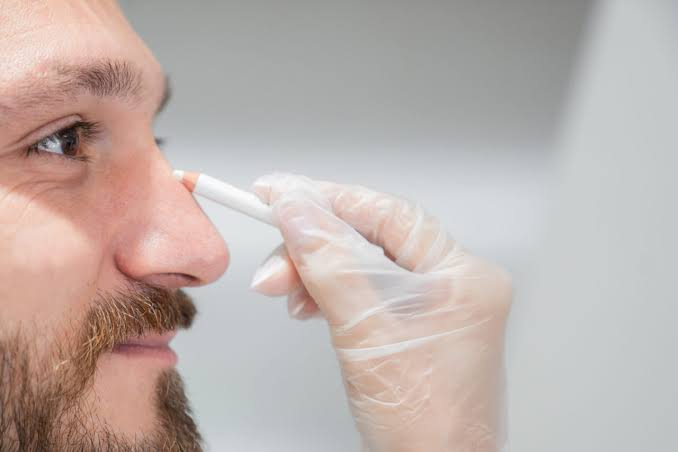
The nose plays an important role in defining facial proportions and overall appearance. Even small differences in its shape or structure can influence the relationship between facial features. People who are unhappy with a prominent nasal bridge, uneven tip, or other structural characteristics may consider surgical reshaping to achieve a more balanced appearance. Rhinoplasty Surgery in Dubai is an option for individuals interested in addressing these concerns through personalised nasal modifications.
Understanding the procedure involves more than knowing how the nose is reshaped. It is equally important to learn about surgical techniques, preparation, recovery, possible complications, and the factors that influence the final outcome. This guide explains the main aspects of the treatment journey.
What Is Rhinoplasty Surgery?
Rhinoplasty is a surgical procedure that changes the shape or structure of the nose. It may involve modifying bone, cartilage, and surrounding tissues to address specific aesthetic or functional concerns.
Some people consider the procedure to improve the appearance of their nasal bridge or tip, while others may need structural correction following an injury or to address breathing difficulties.
The surgical approach depends on the individual's nasal anatomy and treatment objectives. The purpose is to achieve an appropriate result without unnecessarily changing the natural characteristics of the face.
Reasons People Consider Rhinoplasty
There are several reasons why individuals explore nose reshaping. Personal aesthetic preferences are one common consideration, particularly when someone feels that certain nasal features appear disproportionate.
A noticeable nasal hump may affect the side profile, while a broad nasal base or rounded tip may influence the front-facing appearance. Previous injuries can also cause irregularities that change the natural shape of the nose.
Functional concerns are another consideration. Structural conditions such as a deviated septum may contribute to restricted airflow and could require a separate or combined surgical approach.
Different Types of Rhinoplasty
The procedure can be performed using different techniques depending on the required modifications.
Open Rhinoplasty
Open rhinoplasty involves a small incision across the columella, which separates the nostrils. This technique provides direct visibility of the underlying nasal framework and may be useful for complex reshaping or detailed structural adjustments.
Closed Rhinoplasty
Closed rhinoplasty uses incisions inside the nostrils. It may be suitable for selected changes that can be performed without an external incision.
Revision Rhinoplasty
Revision rhinoplasty is performed to address concerns following an earlier nose surgery. These concerns may include irregular contours, asymmetry, or certain functional problems.
Revision procedures can be more complex because previous surgery may have changed the original cartilage, bone, or tissue structure.
Functional Rhinoplasty
Functional rhinoplasty focuses on structural modifications intended to improve nasal airflow or address other breathing-related concerns. Depending on the underlying condition, it may be combined with cosmetic changes.
Which Nasal Concerns Can Be Addressed?
Rhinoplasty may address different structural and aesthetic characteristics.
A prominent bridge can be reshaped to create a smoother profile. Nasal tip refinement may improve definition or adjust excessive projection. Selected procedures may also modify nasal width or address visible irregularities.
Asymmetry caused by differences in cartilage or bone structure may sometimes be improved. However, the degree of correction depends on the original anatomy, and perfect symmetry cannot be guaranteed.
How to Prepare for Rhinoplasty Surgery in Dubai
Preparation begins with an assessment of medical history, nasal anatomy, breathing function, and personal expectations.
Individuals should discuss previous surgeries, existing medical conditions, allergies, and medications. This information helps identify factors that may influence the surgical plan or recovery.
Depending on the circumstances, preoperative instructions may include stopping certain medications, avoiding smoking, and following specific dietary guidelines before anaesthesia.
It is also helpful to arrange transportation and assistance during the initial recovery period. All preparation instructions should come from the treating medical team.
What Happens During the Procedure?
The procedure is generally performed under anaesthesia. Once the planned approach begins, the underlying nasal structures are accessed and modified according to the agreed surgical plan.
The required adjustments may involve reshaping cartilage, modifying the nasal bones, refining the tip, or correcting selected structural irregularities.
The exact duration varies according to the complexity of the procedure and whether additional corrections are required. After the modifications are completed, the nose may be supported with internal or external dressings to assist healing.
What to Expect During Recovery
Recovery is gradual, and the initial appearance of the nose may differ from the eventual result.
Initial Recovery
During the first several days, swelling, bruising, tenderness, and temporary congestion are common. A protective nasal splint may be used to support the healing structure.
Recovery After the First Week
Bruising and some swelling generally begin to improve. Depending on the surgical instructions, the splint may be removed during a follow-up appointment.
Long-Term Healing
The nose continues to change as swelling gradually decreases. More noticeable refinement usually develops over several months, while subtle swelling can persist around the tip for approximately a year or longer.
Following recovery guidelines is important for protecting the healing tissues.
Possible Risks and Complications
Like other surgical procedures, rhinoplasty involves potential risks. These may include bleeding, infection, anaesthesia-related complications, prolonged swelling, scarring, or changes in nasal sensation.
Some individuals may experience breathing difficulties, persistent asymmetry, or dissatisfaction with the final appearance. In certain situations, additional treatment or revision surgery may be considered.
Understanding these possibilities before surgery is essential. An individual assessment helps explain the risks associated with the specific procedure and medical circumstances.
What Influences Rhinoplasty Results?
The final appearance depends on several factors, including bone structure, cartilage strength, skin thickness, healing response, and the extent of the planned changes.
Individuals with thicker nasal skin may experience slower definition of certain contours. Similarly, significant structural modifications may require a longer recovery period.
Realistic expectations are essential because rhinoplasty can improve selected features but cannot completely control every aspect of facial symmetry or healing.
How to Maintain Results After Surgery
Protecting the nose during recovery is important. Individuals should avoid activities that could cause accidental impact or unnecessary pressure on the healing area.
Following instructions regarding sleeping positions, physical activity, cleaning, and medication can help support the recovery process.
Sun protection may also be recommended because healing skin can be sensitive. Regular follow-up assessments allow the recovery progress to be monitored and any concerns to be addressed.
Final Thoughts
Rhinoplasty involves careful consideration of nasal anatomy, surgical techniques, personal goals, and the recovery process. Rhinoplasty Surgery in Dubai can help suitable individuals address selected aesthetic or functional concerns while maintaining attention to natural facial proportions. Learning about the procedure and its potential limitations is an important part of making an informed decision. TAJMEELS CLINIC provides an opportunity to explore available nose reshaping options and understand the considerations involved in achieving balanced nasal contours.
For More Details, Contact Us Through:
WhatsApp: +971 56 203 8751
Phone: +971 4 373 9000
Social Media:

Provide health services










Comments (0)