

HVAC Installation Services in San Tan Valley, AZ: A Complete Guide to Choosing the Right Heating and Cooling System

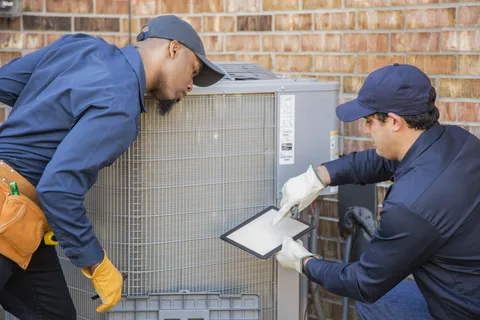
San Tan Valley, AZ, experiences extremely hot summers and cooler winter nights, making a dependable heating and cooling system essential for comfortable indoor living. Whether you are building a new home, replacing an outdated air conditioner, or upgrading your existing heating equipment, choosing professional HVAC installation services in San Tan Valley, AZ can make a significant difference in your home's comfort and energy efficiency. A properly installed HVAC system helps maintain consistent indoor temperatures, improves airflow, and supports better indoor air quality throughout the year.
Homeowners should consider more than just the equipment when planning an HVAC installation. System sizing, ductwork condition, ventilation, insulation, and regular maintenance all contribute to long-term performance. Understanding these factors can help property owners make informed decisions and avoid unnecessary repair expenses.
Understanding the Importance of Professional HVAC Installation
Installing a heating and cooling system requires careful planning, technical knowledge, and the right equipment. An improperly installed unit may struggle to maintain comfortable temperatures, consume excessive electricity, or experience frequent mechanical problems.
Professional HVAC installation begins with an assessment of the property. Technicians consider the home's square footage, ceiling height, insulation, window placement, and existing ductwork before recommending suitable equipment. This process helps determine the appropriate system capacity rather than relying on general estimates.
A correctly installed HVAC system offers several advantages, including:
-
Consistent heating and cooling throughout the property.
-
Improved energy efficiency and temperature control.
-
Better airflow between different rooms.
-
Reduced chances of premature equipment failure.
-
More reliable operation during extreme weather.
-
Improved indoor comfort for residents.
Choosing qualified installation professionals also helps ensure that equipment is connected, configured, and tested according to manufacturer requirements and applicable building standards.
Choosing the Right HVAC System for Your Property
Every home has different heating and cooling requirements. The ideal HVAC system depends on the property's layout, energy needs, existing infrastructure, and budget. Homeowners in San Tan Valley should consider local weather conditions when selecting new equipment.
Central air conditioning systems are a popular choice for homes with existing ductwork. They distribute cooled air through a network of ducts, helping maintain comfortable temperatures across multiple rooms. Heat pumps offer another option by providing both heating and cooling through one system.
Ductless mini-split systems may work well for room additions, garages, converted spaces, or properties without existing ductwork. They allow individual temperature control in different areas, which can be useful for households with varying comfort preferences.
Before selecting equipment, property owners should compare system efficiency ratings, installation requirements, warranty coverage, and expected operating costs. A professional HVAC assessment can help identify an option that meets the property's specific needs.
Why Energy Efficiency Matters in San Tan Valley, AZ
Air conditioning systems often work harder during Arizona's long summer season. When temperatures rise, an inefficient or incorrectly sized unit may run for extended periods without providing the desired comfort.
Energy-efficient HVAC equipment can help reduce electricity consumption while maintaining comfortable indoor conditions. However, equipment efficiency alone does not determine overall performance. Proper installation, sealed ductwork, suitable insulation, and regular filter replacement also play important roles.
Homeowners can improve HVAC efficiency through several practical measures:
-
Replace air filters according to manufacturer recommendations.
-
Keep outdoor condenser units free from leaves and debris.
-
Seal air leaks around windows and exterior doors.
-
Maintain appropriate thermostat settings.
-
Schedule professional system inspections.
-
Ensure supply and return vents remain unobstructed.
Combining an efficient HVAC system with these habits can help reduce unnecessary energy use and support dependable performance throughout the year.
The Importance of Indoor Air Quality Services in San Tan Valley, AZ
Indoor air quality is an important part of maintaining a comfortable and healthy home environment. Dust, pollen, pet dander, household cleaning products, and other airborne particles can accumulate inside residential properties. Without adequate filtration and ventilation, these pollutants may continue circulating through the HVAC system.
Professional Indoor Air Quality Services in San Tan Valley, AZ can help homeowners identify and address common indoor air concerns. These services may include air filtration improvements, ventilation assessments, air duct cleaning, humidity management, and indoor air quality testing.
Arizona's dry climate can contribute to dust accumulation inside homes, making regular HVAC filter maintenance especially important. A suitable filtration system can capture many airborne particles before they circulate through living spaces.
Ventilation is equally important because it helps manage indoor air conditions by introducing fresh outdoor air when properly designed. Depending on the property, technicians may recommend ventilation improvements, upgraded filtration equipment, or other air quality solutions.
Homeowners should also pay attention to indoor humidity. Although excessive humidity is not always a concern in the local climate, certain indoor activities, plumbing issues, or poorly ventilated spaces can create moisture problems. Proper humidity management helps maintain a more comfortable indoor environment.
How HVAC Installation Affects Indoor Air Quality
A new heating and cooling system can provide an opportunity to improve indoor air quality. During installation, technicians can evaluate existing ductwork, air filters, ventilation pathways, and return air openings.
Leaking ducts may allow dust and other contaminants to enter the air distribution system, depending on their location and surrounding conditions. Restricted airflow can also affect how effectively an HVAC system circulates and filters indoor air.
For better results, homeowners should discuss filtration options with their installation contractor. Standard filters provide basic particle capture, while higher-efficiency filtration systems may offer additional benefits when compatible with the equipment.
It is also important to select filters that match the HVAC manufacturer's airflow requirements. Installing an unsuitable filter can restrict airflow and place unnecessary strain on the system.
By considering air quality during installation, property owners can create a more complete home comfort solution instead of focusing only on temperature control.
Signs That Your HVAC System Needs Replacement
An aging heating and cooling system may gradually lose efficiency and become less reliable. Although some problems can be resolved through repairs, repeated breakdowns may indicate that replacement is a more practical long-term option.
Common signs that homeowners should watch for include:
Frequent Repairs: If your air conditioner or heating system requires repeated service visits, replacement may provide better long-term value.
Uneven Indoor Temperatures: Certain rooms remaining warmer or cooler than others may indicate problems with system capacity, ductwork, or airflow.
Increasing Energy Bills: A sudden or consistent increase in electricity costs may suggest declining equipment efficiency or an underlying system issue.
Unusual Noises: Grinding, rattling, buzzing, or excessive vibration can indicate mechanical problems that require professional inspection.
Poor Airflow: Weak airflow from supply vents may result from clogged filters, duct restrictions, blower problems, or other HVAC issues.
A qualified technician can inspect the existing equipment and explain whether repair or replacement is the more suitable choice.
What to Expect During a Professional HVAC Installation
Understanding the installation process helps homeowners prepare for the work and know what to expect. Although procedures vary depending on the property and equipment, most installations follow several important stages.
1. Initial Property Assessment
The installation team evaluates the home's heating and cooling requirements, existing equipment, ductwork, insulation, and ventilation.
2. Equipment Selection
Based on the assessment, the contractor recommends suitable HVAC equipment that meets the property's capacity and efficiency requirements.
3. Removal of Existing Equipment
If an older system is being replaced, technicians safely disconnect and remove the existing equipment following applicable procedures.
4. New System Installation
The new indoor and outdoor components are positioned and connected. Electrical connections, refrigerant lines, condensate drainage, and ductwork are addressed as required.
5. System Testing
After installation, technicians check system operation, airflow, thermostat settings, and other important performance factors.
6. Customer Guidance
Homeowners receive information about operating the system, replacing filters, maintaining equipment, and arranging future inspections.
A thorough installation process helps reduce the possibility of avoidable problems and supports dependable HVAC performance.
Maintaining Your HVAC System After Installation
Even a professionally installed heating and cooling system requires ongoing attention. Regular maintenance helps identify minor problems before they develop into expensive repairs.
Air filters should be checked regularly and replaced according to the manufacturer's instructions and household conditions. Homes with pets, high dust levels, or frequent system operation may require more frequent filter changes.
Outdoor equipment should also remain clear of vegetation, leaves, and other obstructions. Homeowners should avoid placing objects too close to the condenser because restricted airflow can affect performance.
Professional maintenance inspections allow technicians to evaluate electrical connections, refrigerant levels, condensate drainage, coils, and other system components. These inspections can also help identify airflow problems and opportunities to improve energy efficiency.
In addition, scheduling periodic indoor air quality assessments can help determine whether existing filtration and ventilation arrangements continue to meet household requirements.
Selecting a Reliable HVAC Contractor in San Tan Valley
Choosing the right HVAC contractor is just as important as selecting the equipment. Homeowners should look for professionals with relevant experience, appropriate licensing, and knowledge of local installation requirements.
Before hiring a contractor, consider asking about their installation process, equipment recommendations, warranty coverage, and maintenance services. A dependable company should explain available options clearly and provide an estimate outlining the expected work.
It is also useful to review customer feedback and confirm that the contractor understands the challenges associated with Arizona's climate. Experience with residential HVAC systems, ductwork, ventilation, and indoor air quality solutions can make the installation process more straightforward.
Avoid choosing a contractor based only on the lowest quotation. Installation quality, equipment suitability, and after-installation support are important considerations when making a long-term investment.
Final Thoughts
A dependable heating and cooling system is essential for maintaining comfortable indoor conditions in San Tan Valley, AZ. Professional HVAC installation helps homeowners select suitable equipment, improve energy efficiency, and maintain consistent temperatures throughout their properties.
Combining proper installation with regular maintenance and Indoor Air Quality Services in San Tan Valley, AZ can also help address dust, ventilation, and filtration concerns. By choosing experienced HVAC professionals and paying attention to the complete home comfort system, property owners can make a practical investment in reliable heating, cooling, and better indoor living conditions.








Comments (0)