

Physical Therapy Advantage: How to Find the Right Physical Therapy Near Me for Better Health and Mobility?

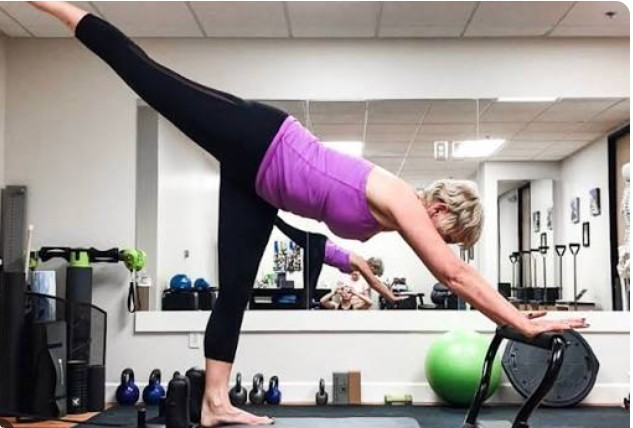
Maintaining an active lifestyle becomes easier when the body can move comfortably and perform everyday activities without unnecessary difficulty. However, injuries, muscle weakness, joint stiffness, and balance problems can sometimes interfere with normal routines. Whether someone has difficulty walking, experiences discomfort while working, or wants to regain strength after an injury, professional rehabilitation can provide valuable support. Physical Therapy Advantage focuses on rehabilitation services that help individuals understand their physical challenges and work toward improved movement, strength, and functional independence.
Searching for Physical Therapy Near Me is often the first step people take when they realize that physical discomfort or limited mobility is affecting their quality of life. Finding an appropriate provider involves more than choosing the closest clinic. Patients should consider available treatment options, professional experience, personalized care, and the ability to address their particular rehabilitation needs. Understanding these factors can make the process of choosing physical therapy services more straightforward.
Understanding How Physical Therapy Supports Better Movement
Physical therapy is a healthcare service that focuses on improving mobility, physical function, strength, and coordination. It can help individuals manage movement difficulties associated with injuries, orthopedic conditions, surgery, and certain neurological or balance-related concerns. A physical therapist evaluates how the body moves and identifies areas that may require attention. Based on the assessment, an appropriate treatment plan can be developed to address the patient's specific condition and physical goals.
People looking for Physical Therapy Near Me may have different reasons for seeking professional assistance. Some want to recover from an injury, while others need help improving flexibility or managing ongoing physical limitations. Rehabilitation may involve therapeutic exercises, movement training, manual techniques, and education about healthy physical habits. The overall approach encourages patients to participate actively in their care while progressing at a suitable pace.
Recognizing When Professional Rehabilitation May Help
Physical difficulties do not always begin with a major injury. Sometimes, individuals gradually notice stiffness, weakness, reduced flexibility, or discomfort during routine activities. Problems such as difficulty climbing stairs, standing for extended periods, reaching overhead, or maintaining balance may indicate that physical function needs attention. Early evaluation can help identify possible movement limitations and determine whether rehabilitation or another form of healthcare is appropriate.
A qualified professional can assess symptoms, movement patterns, and physical capabilities before recommending treatment. Patients should explain when their symptoms started, which activities make them worse, and how the problem affects everyday life. Searching for Physical Therapy Near Me can help people explore local rehabilitation options, but the most appropriate provider should be selected according to individual needs rather than distance alone.
Personalized Rehabilitation for Different Physical Conditions
Every person has a unique physical history, and rehabilitation should reflect those differences. A patient recovering from a knee injury may need strengthening and balance exercises, while someone experiencing shoulder stiffness may benefit from a program focused on joint mobility and controlled movement. Age, activity level, medical history, and personal goals can all influence treatment decisions. An individualized approach allows rehabilitation professionals to select activities that are appropriate for the patient's current abilities.
Physical Therapy Advantage provides rehabilitation-focused services that address different movement and recovery concerns. These may include orthopedic rehabilitation, sports injury care, vestibular therapy, dry needling, and other specialized treatment approaches. When people search for Physical Therapy Near Me, understanding the range of services offered by a clinic can help them determine whether its treatment options align with their concerns. A professional evaluation remains essential for selecting an appropriate plan.
Supporting Recovery After Sports and Exercise Injuries
Physical activity offers many health benefits, but sports and exercise can sometimes lead to injuries involving muscles, tendons, ligaments, and joints. Running, jumping, lifting, and repetitive movements may place stress on different parts of the body. Athletes and recreational fitness enthusiasts can experience problems involving the ankles, knees, hips, shoulders, and back. Depending on the injury, rehabilitation may help restore strength, flexibility, coordination, and confidence during movement.
A sports rehabilitation program often includes controlled exercises, balance activities, flexibility training, and gradual increases in physical demand. These activities are selected according to the patient's condition and recovery progress. Patients should avoid returning to intense training too quickly, as doing so may increase the risk of further problems. Professional guidance can help individuals understand appropriate activity levels and work toward a safer return to their preferred physical activities.
Improving Joint Function Through Orthopedic Therapy
Orthopedic physical therapy addresses movement problems involving bones, muscles, joints, tendons, and ligaments. People may require this type of rehabilitation after an accident, surgery, joint injury, or a period of reduced activity. Conditions involving knee discomfort, shoulder limitations, hip stiffness, and reduced joint flexibility can make everyday tasks more challenging. Treatment focuses on addressing functional limitations and helping patients improve their ability to perform necessary movements.
Depending on the patient's assessment, treatment may include strengthening exercises, mobility activities, flexibility training, and functional movement practice. Individuals recovering from orthopedic surgery may also need a structured program that follows their surgeon's recommendations. Patients searching for Physical Therapy Near Me should consider whether a provider offers orthopedic rehabilitation suited to their condition. Consistent participation and regular progress evaluations can help guide the rehabilitation process.
Managing Back Discomfort With Movement Education
Back discomfort can interfere with working, sitting, lifting, sleeping, and participating in recreational activities. It may develop due to several factors, including muscle strain, repetitive movements, reduced flexibility, or other medical conditions. Prolonged sitting and certain physical demands can also contribute to movement difficulties. When back-related concerns continue, understanding the underlying problem and receiving appropriate professional guidance becomes important.
Physical therapy may include core-strengthening activities, controlled stretching, posture education, and movement exercises based on individual needs. Patients can also learn practical ways to approach everyday tasks, including lifting objects and changing positions. The purpose is to improve functional movement and help individuals better understand their physical limitations. Treatment recommendations should always be based on a proper assessment rather than assuming that every type of back discomfort requires the same approach.
Exploring Specialized Treatments Such as Vestibular Therapy
Balance and coordination are important for walking, standing, turning, and completing daily activities. Some individuals experience dizziness, unsteadiness, or difficulty coordinating head and eye movements. These symptoms may be related to vestibular system problems involving the inner ear and its connection with the brain. When balance is affected, people may become less confident during ordinary movements and may avoid certain activities.
Vestibular rehabilitation uses specific exercises to address selected balance and movement concerns. Depending on the patient's evaluation, treatment may involve balance training, gaze stabilization, and controlled head or body movements. The exercises are adjusted according to symptoms and individual tolerance. People experiencing persistent or sudden dizziness should obtain an appropriate medical evaluation to identify the cause before starting treatment.
What to Consider When Choosing a Physical Therapy Provider?
Choosing a rehabilitation provider requires careful consideration of several factors. Patients should review the clinic's services, therapist qualifications, treatment approach, communication practices, and experience with relevant physical conditions. It is also helpful to understand whether the provider explains treatment goals clearly and allows patients to ask questions about their care. A comfortable and informative treatment environment can make participation in rehabilitation easier.
When comparing options through a Physical Therapy Near Me search, patients should look beyond online listings and consider whether the available services match their needs. Reading clinic information, understanding appointment procedures, and discussing insurance or payment arrangements can also help with decision-making. A good provider should explain the purpose of recommended treatments and establish realistic expectations about the rehabilitation process.
Building Healthy Habits Beyond the Treatment Sessions
Successful rehabilitation involves more than attending scheduled appointments. Everyday movement habits can also influence physical function and general mobility. Following an appropriate home exercise program, taking breaks from prolonged sitting, maintaining regular physical activity, and allowing enough recovery time can support progress. Patients should follow the recommendations provided by their rehabilitation professional instead of introducing demanding exercises without guidance.
Long-term movement improvements often depend on consistency and realistic goals. Individuals can benefit from monitoring their physical abilities and discussing any new discomfort or difficulty with their healthcare provider. Continuing suitable exercises after completing a treatment program may help maintain strength, flexibility, and coordination. Developing an understanding of healthy movement habits can also encourage greater confidence when returning to everyday responsibilities and recreational activities.
Conclusion
Physical health and mobility play an essential role in maintaining independence and enjoying everyday life. Whether someone is recovering from a sports injury, managing an orthopedic condition, experiencing back discomfort, or dealing with balance difficulties, appropriate rehabilitation can provide valuable guidance. Professional assessment, personalized exercises, and consistent participation are important parts of a structured approach to improving physical function.
Physical Therapy Advantage offers rehabilitation-focused services designed to address different patient needs through specialized treatment approaches and movement education. Individuals searching for Physical Therapy Near Me should consider their specific concerns, available services, and the qualifications of potential providers before making a decision. With an appropriate treatment plan and realistic recovery goals, patients can work toward better mobility, improved physical confidence, and a more active daily lifestyle.








Comments (0)