

Why Do Some People Have Ears That Stick Out More Than Others?
why some people have prominent ears, including genetic factors, cartilage structure, and ear development, and explore available correction options.

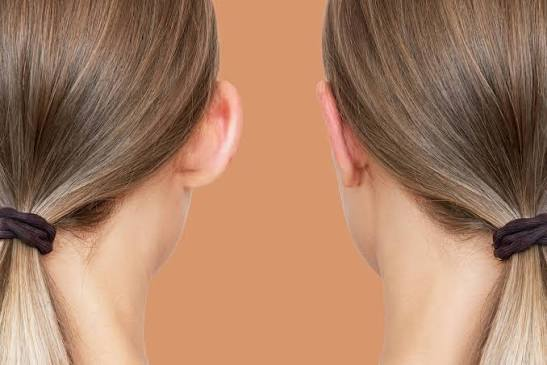
Ears are an important part of facial appearance, contributing to overall balance and symmetry. However, some people naturally have ears that stick out farther from the sides of their heads. This characteristic is commonly known as prominent ears or protruding ears. While it usually does not affect hearing or ear function, it can sometimes influence facial proportions and personal confidence.
Prominent ears can develop because of inherited characteristics, differences in cartilage formation, or the way the ears grow during childhood. Understanding these factors helps individuals learn why ear shapes vary and what options may be available if they wish to change their appearance.
What Are Prominent Ears?
Prominent ears are ears that project farther away from the head than usual. They may appear more noticeable from the front, side, or back, depending on their shape and position.
This condition can affect one or both ears. Some individuals have ears that stick out evenly, while others experience differences between the two sides.
Prominent ears are generally a natural anatomical variation rather than a medical problem. However, people who feel uncomfortable with their ear appearance may explore cosmetic options such as otoplasty, also called ear reshaping surgery.
Why Do Some People's Ears Stick Out More?
Several anatomical and developmental factors can contribute to prominent ears. Understanding these causes provides a clearer picture of why ear structures differ between individuals.
1. Genetic Factors
Genetics plays an important role in determining ear shape, size, and position. People may inherit prominent ears from one or both parents because certain cartilage characteristics can run in families.
For example, if a parent has ears that naturally project outward, their child may develop a similar appearance. However, inherited characteristics do not always appear in exactly the same way among family members.
2. Differences in Ear Cartilage Formation
The external ear is primarily made of flexible cartilage covered by skin. Its structure helps maintain the natural shape and position of the ear.
Two important anatomical features influence how closely the ears sit against the head:
-
Antihelix fold: This is the inner curved ridge of the ear. When it is less developed or flatter than usual, the upper ear may project outward.
-
Conchal bowl: This is the deeper, curved area near the ear canal. If it is more prominent or positioned differently, it may push the entire ear away from the head.
These structural differences are among the common anatomical reasons for protruding ears.
3. Natural Ear Development During Childhood
The ears develop significantly during childhood. Their cartilage gradually takes shape, and the outer ear reaches much of its adult size relatively early in life.
If the natural folds do not develop as expected, the ears may become more noticeable as a child grows. This is why prominent ears are often recognised during infancy or early childhood.
4. Differences in Ear Position
Not every case of prominent ears is related to cartilage shape. Sometimes, the angle between the ear and the side of the head is naturally wider.
This positioning can make the ears appear more visible, even when their overall size and structure are within normal anatomical variation.
5. Ear Size and Proportion
Some individuals have naturally larger ears compared with their facial proportions. Although larger ears do not necessarily stick out, their size can make them appear more prominent.
The relationship between ear height, width, cartilage shape, and head structure all contributes to how noticeable the ears look.
Are Prominent Ears a Health Concern?
In most cases, prominent ears are a cosmetic characteristic and do not interfere with normal hearing. The external ear helps collect sound, but its outward position generally does not indicate an underlying hearing problem.
However, some individuals may experience emotional discomfort because of unwanted attention, teasing, or dissatisfaction with their appearance.
It is important to understand that prominent ears are a normal variation in human anatomy. Cosmetic correction is a personal choice rather than a medical necessity in most cases.
Can Ear Reshaping Surgery Correct Protruding Ears?
Yes, ear reshaping surgery, medically known as otoplasty, can help change the position, shape, or appearance of prominent ears.
The procedure generally focuses on adjusting the underlying cartilage to create a more balanced appearance. Depending on the individual's anatomy, a surgeon may reshape existing folds, reposition cartilage, or use sutures to bring the ears closer to the head.
The appropriate surgical technique depends on several factors, including:
-
The degree of ear projection.
-
Cartilage thickness and flexibility.
-
Natural ear folds and overall structure.
-
Differences between the left and right ears.
-
The individual's cosmetic expectations.
Otoplasty is not performed identically for everyone. A personalised assessment is important to determine whether surgery is suitable and what results may realistically be achieved.
What Should You Consider Before Ear Reshaping?
Before considering ear correction surgery, individuals should understand the procedure, recovery process, and potential risks.
A consultation usually involves examining the ears, reviewing medical history, discussing aesthetic concerns, and evaluating cartilage structure.
Patients should also discuss possible complications, including infection, bleeding, scarring, changes in sensation, asymmetry, and the possibility of revision surgery. Recovery varies, and following postoperative instructions is important for supporting healing.
For children, the timing of surgery should be discussed with an appropriately qualified surgeon, considering ear development and the child's individual circumstances.
Ear Reshaping Assessment at Tajmeels Clinic
At Tajmeels Clinic, individuals interested in ear reshaping in Dubai can explore their cosmetic concerns through a personalised consultation. An assessment may consider ear projection, cartilage formation, natural folds, and facial proportions to understand the individual's aesthetic goals.
Discussing these factors helps patients understand the available correction options, expected outcomes, recovery considerations, and potential risks. Treatment recommendations should be based on an appropriate clinical evaluation rather than a standard approach for every patient.
Conclusion
Some people have ears that stick out more than others because of genetic characteristics, cartilage development, natural ear folds, and differences in ear positioning. In most cases, prominent ears are harmless and do not affect hearing. However, individuals who feel uncomfortable with their appearance may consider otoplasty after consulting a qualified medical professional. Understanding the underlying anatomy is the first step toward making an informed decision about ear reshaping.

Tajmeels clinic is different from other cosmetic resorts because our doctors are specialized in their fields from the best organizations in the world









Comments (0)