

Who Is a Good Candidate for Rhinoplasty Surgery in Dubai?
Find out who may be suitable for Rhinoplasty Surgery in Dubai, including age considerations, nasal concerns, health requirements, and realistic expectations.
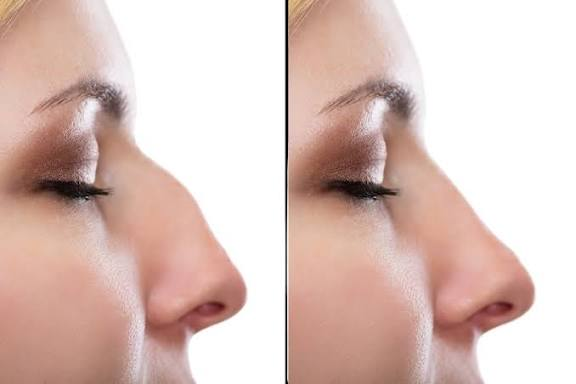
Choosing to change the appearance or structure of the nose is a personal decision. While some individuals are interested in improving their facial proportions, others want to address nasal abnormalities that affect breathing or comfort.
Rhinoplasty Surgery in Dubai may be an option for people who have specific concerns about their nasal appearance or structure. However, suitability depends on several factors, including physical development, general health, nasal anatomy, and expectations about the outcome.
Understanding these considerations can help individuals determine whether nose reshaping is an appropriate option for their circumstances.
Individuals with Specific Nasal Appearance Concerns
People who feel that certain nasal features affect their facial balance may consider rhinoplasty. The procedure can address different structural characteristics depending on individual anatomy.
A prominent nasal bridge, broad nasal base, rounded tip, or uneven nasal profile are examples of concerns that may be evaluated.
Some individuals are also interested in refining the relationship between their nose and other facial features. The purpose of treatment is to make suitable adjustments rather than create an identical appearance for everyone.
People Experiencing Nasal Breathing Difficulties
Rhinoplasty may also be relevant for individuals with structural problems affecting normal airflow.
A deviated nasal septum, certain internal abnormalities, or weakened nasal support structures may contribute to breathing difficulties.
In selected cases, functional nasal surgery can address these problems. However, not every breathing concern is caused by a structural abnormality, so an appropriate evaluation is necessary before considering surgery.
Age and Physical Development Considerations
Physical maturity is an important factor when determining suitability for rhinoplasty.
The nose should generally have completed most of its growth before elective cosmetic reshaping is considered. The timing can vary between individuals and may depend on overall physical development.
For younger individuals, additional consideration is necessary because facial structures may still be changing. Parental involvement and appropriate medical assessment are particularly important when surgery is being considered for someone under 18.
There is no single age that automatically makes someone suitable. Individual development and circumstances matter.
Good General Health and Medical Suitability
General health can influence the safety of surgery and the recovery process.
Individuals should disclose relevant medical conditions, allergies, previous surgical complications, and medications. Conditions that affect bleeding, wound healing, or anaesthesia may require additional evaluation.
Smoking can interfere with tissue healing and increase the risk of complications. Discussing smoking habits and following appropriate recommendations before surgery is important.
A complete medical assessment helps determine whether the potential benefits outweigh the risks.
Having Realistic Expectations About Nasal Changes
A suitable candidate should understand what rhinoplasty can and cannot achieve.
The procedure may improve selected nasal features, but it cannot guarantee perfect symmetry or completely transform someone's facial identity.
For example, skin thickness can limit the amount of visible tip refinement, while existing cartilage and bone structures may restrict certain modifications.
Individuals should be comfortable with gradual recovery and understand that the final appearance may take many months to develop.
Emotional Readiness and Personal Motivation
The decision to undergo rhinoplasty should come from personal goals rather than pressure from other people.
Some individuals may feel influenced by social media trends, celebrity appearances, or unrealistic beauty standards. However, a nose shape that suits one person may not complement another person's facial structure.
Emotional readiness includes understanding the recovery process, accepting possible imperfections, and being prepared for the limitations of surgery.
If concerns about appearance are causing significant distress or unrealistic expectations, additional support may be helpful before making a surgical decision.
Who May Not Be an Ideal Candidate?
Certain circumstances may make rhinoplasty unsuitable or require postponement.
Individuals with uncontrolled medical conditions, active infections, significant healing problems, or medical risks associated with anaesthesia may need further evaluation.
Surgery may also be inappropriate when expectations are unrealistic or when the desired changes cannot be achieved safely with the existing nasal anatomy.
People who have recently undergone nasal surgery may need to allow sufficient healing time before considering further structural modifications.
The final decision should be based on an individual assessment rather than a general eligibility checklist.
How Previous Nasal Injuries Affect Suitability
A previous injury can change the structure of the nose and influence the complexity of treatment.
Fractures may cause visible deviation, irregularities along the bridge, or internal structural problems. Some injuries can also affect breathing by changing the position of the nasal septum.
Rhinoplasty may be considered in selected cases to address these concerns. However, previous trauma can create additional challenges because bone and cartilage may have healed in an altered position.
The treatment plan should account for both external appearance and internal nasal function.
Questions to Consider Before Making a Decision
Before proceeding, individuals should think carefully about their reasons for considering surgery.
It is useful to identify the specific nasal features they want to change and understand whether those changes are realistically achievable.
They should also consider the time required for recovery, possible complications, financial commitments, and the possibility that the final appearance may differ from initial expectations.
Being informed about these aspects can make the decision-making process more practical and balanced.
Why Individual Assessment Matters
There is no universal definition of an ideal rhinoplasty candidate. Two individuals with similar aesthetic concerns may have very different nasal structures, medical histories, and treatment requirements.
An individual assessment helps evaluate skin characteristics, cartilage strength, breathing function, and facial proportions. It also provides an opportunity to discuss surgical limitations and potential risks.
This approach supports decisions based on personal anatomy rather than generalised beauty standards.
Final Thoughts on Rhinoplasty Suitability
The most suitable candidates for Rhinoplasty Surgery in Dubai are individuals with clear personal goals, appropriate physical development, suitable general health, and realistic expectations about possible outcomes. Whether the concern involves nasal appearance, facial proportions, or selected breathing problems, understanding individual suitability is an essential first step. Careful consideration of the benefits, limitations, and recovery requirements can help make the decision more informed. TAJMEELS CLINIC can be explored by individuals researching personalised aesthetic options for nasal refinement.
For More Details, Contact Us Through:
WhatsApp: +971 56 203 8751
Phone: +971 4 373 9000
Social Media:

Provide health services






Comments (0)