

Can a Tummy Tuck Improve the Appearance of an Uneven Abdomen?
how tummy tuck surgery can improve uneven abdominal contours by addressing loose skin, muscle separation, and excess tissue through personalised surgical planning.

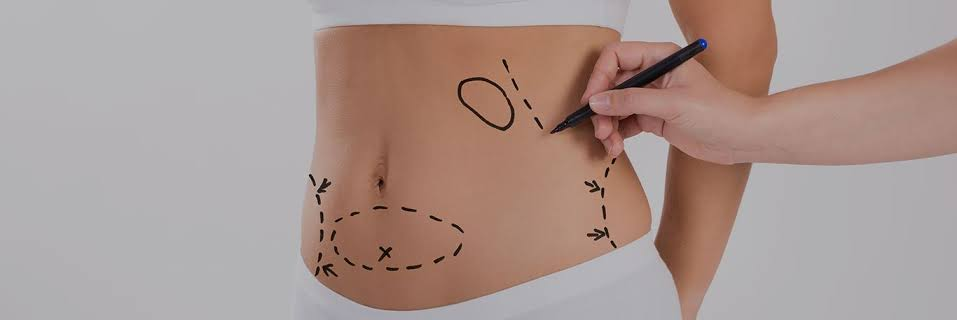
An uneven abdomen can affect the overall appearance and proportion of the body. Some people notice that one side of their stomach looks fuller than the other, while others experience loose skin, visible folds, or an irregular abdominal outline. These concerns can develop after pregnancy, significant weight changes, ageing, or changes in abdominal muscle structure.
A Tummy Tuck in Dubai, medically known as abdominoplasty, may help improve abdominal appearance by removing excess skin and addressing certain muscle-related concerns. However, the results depend on the underlying cause of the unevenness, individual anatomy, and the surgical approach recommended by a qualified plastic surgeon.
What Causes an Uneven Abdominal Appearance?
An uneven abdomen can develop for several reasons. Understanding the underlying cause is important before considering any cosmetic procedure.
Common contributing factors include:
-
Loose skin: Skin may stretch after pregnancy or significant weight loss and fail to return to its previous condition.
-
Muscle separation: Diastasis recti occurs when the abdominal muscles separate, sometimes creating a central bulge or uneven contour.
-
Uneven fat distribution: Localised fat deposits can make certain areas of the stomach appear fuller.
-
Previous surgery: Abdominal procedures or existing scars may influence the shape and symmetry of the stomach.
-
Natural body asymmetry: Differences in muscle development, skeletal structure, and tissue distribution can create an uneven appearance.
Not every abdominal irregularity is caused by excess skin or muscle separation. Some concerns may involve hernias, internal conditions, or structural differences that require medical evaluation.
How Can a Tummy Tuck Improve Uneven Abdominal Contours?
A tummy tuck focuses on improving the abdominal profile by removing excess skin and, when appropriate, tightening weakened or separated abdominal muscles.
During surgery, the surgeon evaluates the amount and distribution of loose skin, muscle condition, and overall abdominal proportions. Depending on the individual's needs, the procedure may help create a flatter and more balanced appearance.
Several aspects of the abdomen may be addressed.
Removal of Excess Skin
Loose or hanging skin can create folds that make the abdomen appear irregular. A tummy tuck removes selected excess skin, helping improve the smoothness of the abdominal surface.
This may be particularly beneficial for individuals who have experienced substantial weight loss or changes following pregnancy.
Correction of Abdominal Muscle Separation
When the abdominal muscles become separated, the stomach may develop a noticeable bulge. In suitable patients, the surgeon may repair the separated muscles during abdominoplasty.
Muscle repair can improve abdominal support and contribute to a flatter contour. However, it does not guarantee perfect symmetry or eliminate every possible abdominal irregularity.
Improving Overall Abdominal Proportions
The relationship between the upper abdomen, lower abdomen, waistline, and surrounding tissues influences the body's overall appearance.
A tummy tuck may improve these proportions by addressing excess tissue and selected areas of muscle weakness. The objective is to create a more harmonious abdominal contour rather than an artificially flat appearance.
Can a Tummy Tuck Correct Unevenness on One Side?
A common concern is whether tummy tuck surgery can improve an abdomen where one side appears larger or lower than the other.
The answer depends on what is causing the difference. If unevenness results from excess skin or localised tissue distribution, surgery may help improve the visible contour.
However, differences caused by the rib cage, pelvic structure, natural muscle development, or internal conditions may not be fully corrected through a tummy tuck.
A surgeon must assess both sides of the abdomen carefully before recommending surgery. This helps establish realistic expectations and determine whether abdominoplasty alone is appropriate.
Who May Benefit From Tummy Tuck Surgery?
Tummy tuck surgery may be suitable for adults who have persistent abdominal concerns that do not improve through regular exercise or healthy lifestyle habits.
Potential candidates may include:
-
Individuals with loose abdominal skin after weight loss.
-
Women experiencing abdominal skin changes after pregnancy.
-
People with abdominal muscle separation.
-
Individuals with excess lower abdominal tissue.
-
Adults who have maintained a relatively stable body weight.
Good general health, realistic expectations, and an understanding of the recovery process are also important considerations.
A tummy tuck is not a weight-loss procedure or a substitute for healthy lifestyle habits. Individuals planning future pregnancies or significant weight changes may need to discuss the timing of surgery with their surgeon.
What Happens During the Recovery Period?
Recovery following tummy tuck surgery varies depending on the extent of the procedure, individual healing capacity, and whether muscle repair is performed.
Patients commonly experience swelling, bruising, tightness, and temporary discomfort during the initial recovery period. These effects gradually improve as healing progresses.
Surgeons may recommend wearing a compression garment to support the abdominal area and help manage swelling. Patients should also follow instructions regarding wound care, physical activity, medication, and follow-up appointments.
Strenuous exercise and heavy lifting are generally restricted during the early recovery period. Returning to normal activities should happen gradually, according to medical advice.
It is important to remember that swelling can temporarily make the abdomen look uneven. Final contour changes may take several months to become more apparent as the tissues settle.
Why Is Individual Assessment Important Before Surgery?
An uneven abdomen does not always require the same surgical solution. Two individuals may have similar visible concerns but completely different underlying causes.
A detailed assessment helps identify whether excess skin, muscle separation, fat distribution, or natural anatomical differences are contributing to the appearance.
The surgeon may evaluate skin elasticity, abdominal wall strength, previous surgical history, overall body proportions, and general health. In some cases, additional investigations may be necessary to rule out conditions such as an abdominal hernia.
This personalised approach helps determine whether a full tummy tuck, mini tummy tuck, another treatment, or no surgery is the most appropriate option.
Tummy Tuck Assessment at Tajmeels Clinic
At tajmeels clinic dubai, tummy tuck consultations focus on understanding individual abdominal concerns and evaluating the factors that influence body contours. The assessment may consider excess skin, abdominal muscle condition, tissue distribution, previous surgical history, and personal aesthetic goals. This information helps guide discussions about suitable treatment approaches, expected improvements, potential limitations, and recovery requirements. Individualised planning is important because achieving a balanced abdominal appearance requires consideration of the patient's overall anatomy rather than focusing on one isolated area.
Final Thoughts
A tummy tuck may improve an uneven abdomen when loose skin, excess tissue, or abdominal muscle separation contributes to the irregular appearance. However, the extent of improvement depends on individual anatomy and the underlying cause of the concern.
A professional medical assessment is essential for understanding available options, potential risks, and realistic outcomes. Choosing an appropriate surgical approach can help patients make informed decisions about improving abdominal contours while prioritising safety and long-term expectations.
Tajmeels clinic is different from other cosmetic resorts because our doctors are specialized in their fields from the best organizations in the world






Comments (0)