

Depression in Early Recovery: When to Get Help at Nasha Mukti Kendra in Malerkotla
Low mood is common in the first weeks of recovery, but it can sometimes be depression. This article explains why mood drops after quitting, how to tell a passing low from something that needs care, and when to seek help right away. It also gives families simple ways to support a loved one and a list of questions to ask before choosing a de-addiction centre.

A few weeks after quitting, many people expect to feel lighter. Some do. Others feel flat, tired, and sad, and they quietly wonder, “Shouldn’t I be happy by now?”
If that’s you, or someone in your family, this article is for you. Low mood in early recovery is common, and it does not mean you’ve made the wrong choice. But sometimes it is more than a passing phase. Families searching for a Nasha Mukti Kendra in Malerkotla often want to know where that line sits, and when to ask for help.
Here you’ll find the common reasons for low mood, a simple way to tell ordinary sadness from depression, and the signs that mean help is needed soon.
Feeling low, empty, or tearful in the first weeks of recovery is common. It often eases as sleep, appetite, and routine settle. But if the low mood is heavy, lasts most of the day, and continues for two weeks or more, it’s time to see a doctor or mental health professional. If there are thoughts of self-harm, get help immediately.
Why low mood often shows up after quitting
The brain’s reward system is recovering. Alcohol and drugs strongly affect the brain chemicals linked to pleasure and motivation. After quitting, everyday things such as food, company, or a favourite show may feel dull for a while. This flat feeling is a common part of early recovery. It can improve with time.
Life feels louder without the substance. For some people, the substance dulled worry, grief, or loneliness. Without it, those feelings can arrive all at once.
Guilt and regret surface. Looking back at lost money, broken trust, or missed time can be painful, especially when the mind is no longer clouded.
Sleep and energy are low. Poor sleep, tiredness, and changes in appetite are common early on, and they pull mood down.
Routines have vanished. If drinking or drug use filled most of the day, the free hours can feel empty. Boredom and loneliness can quickly turn into sadness.
Ordinary low mood or depression?
No article can diagnose you, and only a qualified professional can. But these differences can help you decide whether to seek an assessment.
More likely part of the usual ups and downs:
-
Sad or irritable on some days, better on others
-
Able to enjoy something, even briefly, such as a meal, a call, or a joke
-
Mood slowly improving week by week
-
Still able to manage basic daily tasks
More likely to need professional help:
-
Low mood most of the day, nearly every day, for two weeks or more
-
Losing interest in nearly everything, including people and activities that used to matter
-
Big changes in sleep or appetite that don’t ease
-
Feeling worthless, hopeless, or like a burden
-
Trouble concentrating or making simple decisions
-
Not looking after basic needs, such as eating, washing, or taking prescribed medicines
-
Pulling away from family
If several items in the second list fit, please speak to a doctor, psychiatrist, or counsellor. Depression can exist alongside a substance use problem, and both can be treated. It is also better to treat them together, since untreated depression can make relapse more likely.
Thoughts of self-harm: act at once
If a person says they want to die, talks about ending their life, or you fear they may hurt themselves, do not wait for the two-week mark.
-
Stay with them and don’t leave them alone.
-
Remove anything they could use to harm themselves, if it is safe to do so.
-
Take them to the nearest hospital emergency department or call local emergency services.
-
Listen calmly without arguing or lecturing.
Taking such words seriously does not put the idea in someone’s head. It shows that you care.
A note about withdrawal
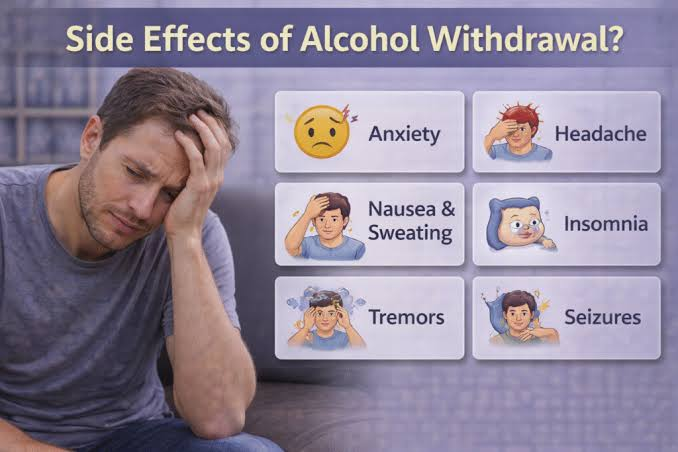
Some low mood is part of withdrawal itself. But stopping alcohol or sedatives such as benzodiazepines suddenly can be dangerous. Seizures, confusion, hallucinations, or a high fever need emergency medical help. Whether care happens at home under a doctor’s guidance or at a Nasha Mukti Kendra in Malerkotla, withdrawal should be supervised by a qualified medical professional.
What can help alongside professional care
These steps support recovery. They do not replace treatment.
-
Keep a simple daily routine. Wake up, eat, and sleep at regular times. Structure gives the day shape.
-
Do one small thing each day. A short walk, a bath, or a call to a friend counts. Waiting to “feel like it” often keeps people stuck.
-
Spend time in daylight. Even a short time outdoors can lift energy.
-
Avoid isolation. Sit with family or someone you trust, even if you don’t talk much.
-
Talk it out. Counselling gives a safe place to speak about guilt, fear, and grief.
-
Be patient with the pace. Mood often improves in small steps, not all at once.
Please avoid using alcohol, tablets from friends, or unprescribed medicines to lift your mood. They can make depression worse and pull a person back into use. Any medicine for mood or sleep should only be started or stopped by a qualified doctor.
If you’re a family member
You may feel helpless. A few gentle steps can matter:
-
Ask directly, “You seem very low lately. How are you really feeling?”
-
Listen more than you advise. Avoid “just be positive” or “think of your family.”
-
Offer to go with them to the doctor or counsellor.
-
Praise effort, however small.
-
Watch for the warning signs above, and trust your instinct if something feels wrong.
-
Look after your own health, too. Supporting someone through low mood is tiring.
Taking the next step
Low mood in early recovery is common, and help is available. Asking for support is a sign of strength, not weakness.
If you’d like to talk through options, you can contact Drug Free Country to ask about next steps for a Nasha Mukti Kendra in Malerkotla. Please confirm all service details directly with the team, and see a doctor or go to emergency care if symptoms are serious. A first conversation doesn’t commit you to anything.











Comments (0)