

How Evening Dew Affects T20 Cricket
Discover how evening dew affects T20 cricket, from bowler grip and spin loss to skidding pitches, toss decisions, and IPL match strategies under lights.
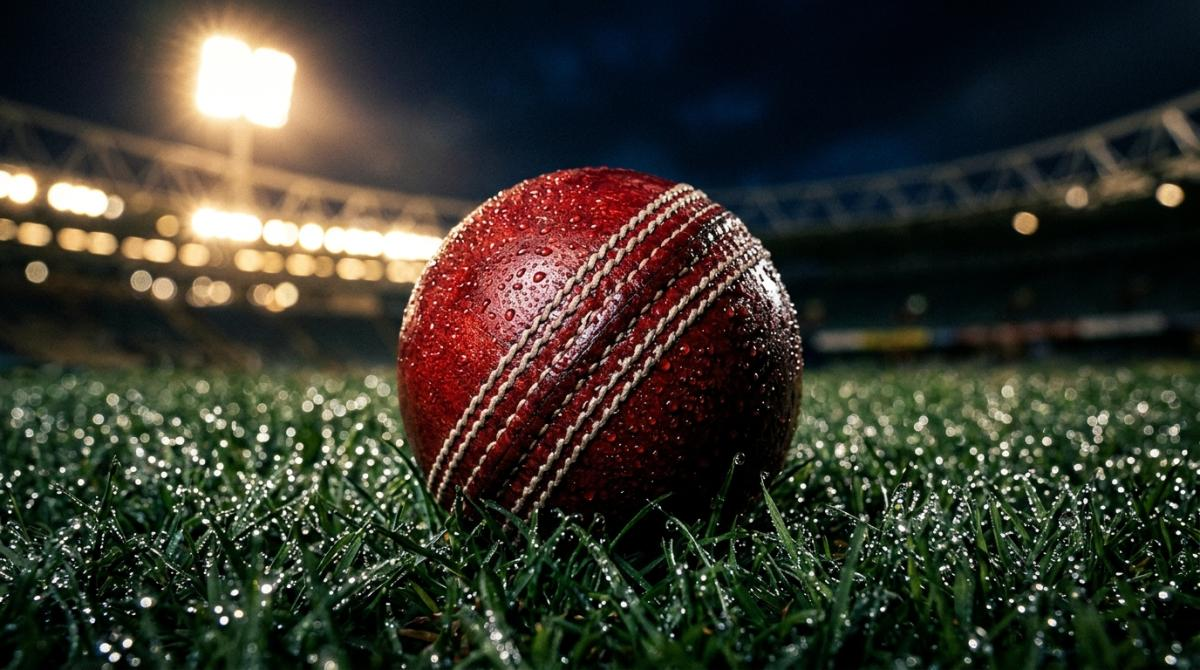
In T20 cricket, a total that looks match-winning at the halfway mark can suddenly become effortless to chase under floodlights. Across Indian venues during the Indian Premier League (IPL) and international night fixtures, captains frequently win the coin toss and immediately elect to bowl first. The primary culprit behind this tactical preference is evening dew. When moisture settles onto the outfield grass after sunset, it fundamentally alters the physics of the cricket ball, the behavior of the pitch, and the tactical balance between bat and ball.
Understanding how evening dew affects T20 cricket is essential for fans, analysts, and followers of digital match markets. From making a leather ball as slippery as a bar of soap to neutralizing wrist-spinners and accelerating outfield speed, night moisture often dictates the outcome of high-stakes games. In this comprehensive guide, you will learn the science behind dew formation, how it impacts fast bowlers, spinners, fielders, and batters, and why stadiums across India experience varying levels of evening moisture.
Quick Answer: How Does Evening Dew Affect T20 Cricket?
Evening dew makes the cricket ball wet, heavy, and slippery, which reduces a bowler’s grip, limits swing and spin, accelerates the ball across the outfield, and makes fielding significantly harder—giving the team batting second a substantial advantage in T20 matches.
Key Takeaways
-
Loss of Bowler Grip: Moisture coats the leather surface and raised seam of the cricket ball, preventing spinners from imparting revolutions and stopping pacers from executing accurate yorkers or slower deliveries.
-
Reduced Swing and Seam Movement: A waterlogged leather ball loses its aerodynamic contrast between the rough and shiny sides, virtually eliminating reverse swing and reducing conventional movement off the pitch.
-
Faster Outfield and Ball Skidding: Wet grass reduces surface friction, allowing struck shots to race toward the boundary while causing pitched deliveries to skid onto the bat at a predictable height.
-
Toss Advantage: In high-dew venues across India—especially during October–November and March–May—captains overwhelmingly choose to field first to avoid bowling with a wet ball in the second innings.
-
Fielding Errors Increase: Slippery turf affects players' footing during sprints and dives, while a wet ball increases the likelihood of dropped catches and misfields.
-
Anti-Dew Countermeasures: Groundsmen use anti-dew chemical sprays, super-soppers, and rope-dragging techniques to minimize moisture, though heavy condensation remains difficult to control entirely.
What Is the Science Behind Evening Dew on a Cricket Ground?
To understand why evening dew disrupts T20 cricket so dramatically, it helps to examine the meteorological conditions inside an open-air stadium after sunset. Dew is not falling rain; rather, it is atmospheric water vapor condensing directly onto cool surfaces—specifically the blades of stadium grass.
The Dew Point and Radiative Cooling
During the afternoon and early evening, sunlight warms the stadium turf and the surrounding air. Warm air holds a higher concentration of invisible water vapor. Once the sun sets, the grass loses heat rapidly through a process called radiative cooling. Because grass blades have a large surface area and minimal heat retention compared to soil or concrete, their temperature drops faster than the ambient air just above them.
When the temperature of the grass drops to or below the local dew point—the threshold temperature at which air becomes saturated with water vapor—moisture condenses into tiny liquid droplets on the turf. High relative humidity combined with clear skies and calm winds creates ideal conditions for heavy dew formation. Conversely, overcast skies trap heat near the ground, and strong evening breezes mix warmer air with cooler surface air, reducing dew accumulation.
Why Indian Stadiums Experience Heavy Dew
T20 matches in India typically begin at 7:00 PM or 7:30 PM IST. The first innings runs from roughly 7:30 PM to 9:00 PM, a window when surface cooling is just beginning. However, the second innings takes place between 9:15 PM and 10:45 PM, right when stadium temperatures hit their steepest drop and humidity levels spike.
Venues located near coastlines or large rivers—such as Wankhede Stadium in Mumbai, MA Chidambaram Stadium in Chennai, Eden Gardens in Kolkata, and Barsapara Cricket Stadium in Guwahati—regularly experience high ambient humidity. During the IPL window (March to May) and late-year international series (October to December), the contrast between warm daytime temperatures and cooler nights produces dense evening moisture that saturates the outfield within overs.
How Does Dew Impact Bowling in T20 Cricket?
Bowlers bear the brunt of evening moisture. In modern T20 cricket, where margins for error are measured in inches, losing control over the ball's surface and seam compromises every tactical plan a bowling unit prepares before a match.
1. Effects on Spin Bowlers (Finger Spin vs. Wrist Spin)
Spin bowling relies entirely on friction between the bowler’s fingers and the leather or seam of the cricket ball to generate revolutions per minute (RPM). When the ball picks up moisture from the outfield:
-
Loss of Traction: A wet ball slips out of the fingers prematurely, preventing the bowler from snapping their wrist or ripping across the seam. Without high RPMs, the ball fails to grip the pitch surface after pitching.
-
No Drift or Dip: In dry conditions, high-spin deliveries create the Magnus effect, causing the ball to drift in the air and dip late before landing. A heavy, damp ball loses this aerodynamic drift, making its flight path linear and easy for batters to read.
-
Difficulty Landing Lengths: Because the ball slips out early, spinners frequently bowl unintentional full tosses or drag deliveries down short—both of which are prime boundary opportunities in T20 cricket.
-
Wrist Spinners vs. Finger Spinners: Wrist spinners (leg-spinners and left-arm unorthodox bowlers) generally suffer slightly more than finger spinners when dew is heavy, as wrist-spin mechanics demand extreme finger and wrist friction to impart topspin and side-spin. Finger spinners can sometimes survive by bowling flatter, faster, and darting the ball into the pads, though their wicket-taking threat diminishes sharply.
2. Effects on Fast Bowlers and Seamers
While spectators often assume only spinners struggle with dew, fast bowlers face equally severe challenges during the second innings:
-
Inability to Bowl Yorkers: Death-over bowling in T20 cricket depends on pinpoint yorkers aimed at the base of the stumps or wide outside off-stump. A wet ball slips out of the hand a fraction of a second early or late, turning a planned yorker into a waist-high full toss (a potential no-ball) or a slot ball right in the batter's hitting arc.
-
Compromised Slower Balls: Variations such as back-of-the-hand slower balls, knuckleballs, and off-cutters require dry skin contact to roll the fingers down the side of the ball. Wet leather ruins the release mechanics of these variations, often making them sit up at medium pace without deception.
-
Loss of Conventional and Reverse Swing: Conventional swing relies on maintaining one smooth, polished side and one rougher side to create differential airflow. Once the ball rolls across a wet outfield, both sides absorb water, equalizing surface texture and weight. Reverse swing—which requires a dry, scuffed older ball—becomes completely impossible in dewy conditions.
-
Run-Up and Front-Foot Slippage: Beyond grip issues, wet grass on the bowler's run-up and landing zone increases the risk of slipping during the delivery stride, leading to front-foot no-balls or lower-body injuries.
How Does Evening Dew Benefit the Batting Side?
While bowlers lose their primary weapons, batters enjoy conditions that effectively turn a sporting contest into a favorable batting environment.
1. Ball Skidding Onto the Bat
On a dry pitch, variable bounce and grip require batters to wait for the ball, adjust their hands, and play late. When dew transfers from the ball onto the pitch surface, it acts as a lubricant. Instead of grabbing the turf and holding up, the ball skids smoothly off the pitch at a consistent, predictable height and pace. This allows batters to trust the bounce, clear their front leg early, and swing freely through the line of the ball.
2. Faster Outfield Velocity
Dry grass blades create natural friction against a rolling cricket ball, slowing down drives and cuts before they reach the boundary rope. When moisture coats the grass, that surface resistance drops dramatically. Shots pierced through the infield gaps accelerate across the turf rather than slowing down, turning potential twos into fours and forcing fielding captains to push boundary riders deeper, which in turn opens up easy singles.
3. Predictable Trajectory for Power-Hitting
Because swing, seam movement, and turn are largely neutralized, batters face minimal lateral deviation once the ball leaves the bowler’s hand. In the final five overs of a chase, power-hitters can line up bowlers without worrying about sharp leg-breaks or late reverse swing, leading to inflated run rates during the death overs.
Dry Conditions vs. Heavy Dew Conditions in T20 Cricket
To visualize how drastically match dynamics shift between the first and second innings when moisture sets in, compare the two playing environments below:
| Match Factor | Dry Conditions (First Innings / No Dew) | Heavy Dew Conditions (Second Innings) |
| Ball Weight & Texture | Light, dry leather with distinct rough and shiny sides | Heavy, waterlogged leather with uniform dampness |
| Bowler Grip | Firm finger and seam traction for variations | Slippery release; frequent full tosses and short balls |
| Swing & Seam | Early conventional swing; late reverse swing possible | Minimal swing; ball stops moving laterally quickly |
| Spin Bowling | Sharp turn, bounce, and air drift available | Little to no turn; ball skids straight through |
| Pitch Behavior | Grips slightly; two-paced bounce on worn surfaces | Lubricated surface; true, skidding bounce |
| Outfield Speed | Moderate friction; stops softer shots in the deep | Low friction; ball accelerates rapidly to boundary |
| Fielding & Catching | Secure footing and reliable ball handling | Slippery turf, wet hands, and higher drop risk |
| Tactical Advantage | Balanced contest between bat and ball | Strong advantage to the chasing team |
How Does Dew Affect Fielding and Wicketkeeping?
Fielding often decides close T20 encounters, and wet conditions test every aspect of a fielding unit's athleticism and technique.
Outfield Movement and Throwing Accuracy
Fielders patrolling the boundary must sprint, decelerate, and dive on damp grass. Without metal spikes or proper footing adjustments, players frequently slide past the ball or lose balance while turning. Furthermore, throwing a wet ball from the deep is treacherous: water on the leather reduces grip during the throw, leading to wild overthrows, missed run-out opportunities, and awkward bounces for the wicketkeeper or bowler collecting the return.
High Catches Under Floodlights
Catching a skidding, wet ball traveling at high speed under stadium LED floodlights requires soft hands and immaculate technique. When a dry ball hits a fielder’s palms, natural friction helps secure it. A wet ball tends to squirt out upon impact unless the fielder cushions the catch cleanly into their body. Wicketkeepers also face stiff challenges standing up to the stumps against medium pacers or spinners, as the ball skids off the surface faster than anticipated.
Tactical Adjustments: How Teams Counter Evening Dew
Because captains and coaches cannot control the weather, successful T20 franchises and international teams prepare dedicated contingency plans for dew-affected matches.
1. Winning the Toss and Chasing
The simplest countermeasure is winning the coin toss and electing to field first. By bowling in the first innings while the ball and outfield are relatively dry, teams maximize their spinners and death bowlers before moisture becomes a decisive factor. Conversely, if a team loses the toss and is asked to bat first in heavy dew, batters adjust their par-score target upward—often aiming for 15 to 25 runs above the venue’s average first-innings score to give their bowlers a cushion.
2. Towel Usage and Umpire Ball Changes
Bowlers carry small microfiber towels tucked into their trousers to wipe the ball dry before every delivery. While this briefly removes surface moisture, the ball gets wet again the moment it touches the outfield grass or pitches on a damp spot. Under ICC playing conditions, if a ball becomes excessively wet and misshapen to the point where umpires deem it unsuitable for play, they may replace it with a drier used ball of similar wear—though replacement balls quickly absorb moisture as well.
3. Bowling Selection and Tactical Shifts
When defending a total in heavy dew, smart captains alter their bowling strategy:
-
Front-load Spinners: Captains often bowl out their primary spinners during the powerplay and early middle overs before dew reaches peak saturation around the 12th to 15th over of the chase.
-
Use Tall Hit-the-Deck Pacers: Instead of relying on swing or cutters, fast bowlers pound the pitch hard back-of-a-length, using steep bounce and pace off the deck rather than sideways movement.
-
Bowl Into the Pitch with Cross-Seam: Delivering the ball cross-seam helps bowlers maintain a slightly firmer grip on the stitched leather and creates unpredictable bounce off the lubricated turf.
-
Sawdust Application: Groundsmen place buckets of dry sawdust near the boundary and behind the stumps so bowlers can dry their fingers and apply traction to their landing marks.
4. Ground Management and Anti-Dew Sprays
Before major IPL and international night matches, stadium curators apply specialized anti-dew sprays (surfactant-based turf treatments) across the outfield grass. These chemicals alter the surface tension of water droplets, causing moisture to spread thinly along the grass blades and soak into the soil rather than beading on top where the ball rolls. Between innings and during strategic timeouts, ground staff also drag heavy ropes across the outfield to knock water droplets off the grass tips and run super-soppers over damp patches.
Real-World Examples of Dew Shaping Major T20 Matches
The influence of evening dew is visible across some of the most memorable T20 matches in recent cricket history:
-
2021 ICC Men's T20 World Cup (UAE): Held across Dubai, Abu Dhabi, and Sharjah during October and November, the tournament saw extreme evening dew. In Dubai, teams batting second won 12 out of 13 night matches, including Australia’s successful chase of 173 against New Zealand in the final. Captains joked at the toss that the coin flip effectively decided half the match.
-
Wankhede Stadium, Mumbai (IPL): Located right next to the Arabian Sea, Wankhede features short boundaries and heavy evening humidity. Even totals exceeding 200 are routinely chased down in Mumbai because the sea breeze brings dense moisture after 8:30 PM, turning the pitch into a batting paradise under lights.
-
Eden Gardens, Kolkata & M. Chinnaswamy Stadium, Bengaluru: Both venues regularly witness dramatic second-innings momentum shifts. In Bengaluru, high altitude combined with cool evening air creates rapid condensation, aiding chasing teams during high-scoring IPL encounters.
Analyzing Dew Conditions on Mahadevbook.tv for T20 Match Insights
For Indian cricket fans who closely follow IPL fixtures, international T20 series, and live match dynamics, tracking environmental factors like evening dew is just as important as checking team lineups or player form. When moisture enters a game during the second innings, momentum can swing within a single over—turning a seemingly comfortable defense into a rapid chase. Platforms like mahadev book tv provide sports enthusiasts with a dedicated hub to explore match coverage, live cricket action, and sports information tailored to T20 events.
Navigating match-day insights becomes much smoother when users understand how venue conditions intersect with digital sports platforms. Whether you are checking pre-match toss updates or exploring mahadev book ipl betting resources, observing whether a stadium has a dry surface or heavy dew forecast helps contextualize team strategies during night games. Readers looking to understand how digital access works can explore the mahadev book registration guide, while existing users can access their dashboard through mahadev book login.
For those following live matches on mobile devices, the mahadev app offers streamlined access to cricket schedules and match markets, while readers comparing different formats of online cricket engagement can review the breakdown of fantasy cricket vs betting id to understand how each model operates. If you need assistance navigating account setup or platform features, mahadev book agent support channels and the mahadev book deposit overview outline the standard steps clearly.
Responsible Participation & Legal Reminder: Online sports engagement and betting laws vary across Indian states and jurisdictions. Readers must verify that they meet the legal age requirement (18+ or higher depending on local regulations) and comply strictly with the laws applicable in their state or region. Always approach sports platforms responsibly, set personal limits, and treat cricket analysis as entertainment rather than a guaranteed source of financial return.
Practical Tips: How to Read Dew Forecasts Before a T20 Match
Whether you are analyzing a T20 match as a cricket tactician, fantasy player, or informed viewer, you can spot high-dew conditions before the first ball is bowled using five practical indicators:
-
Check the Pitch Report and Toss Commentary: Broadcasters and former players inspect the grass blades 30 minutes before the toss. If commentators mention "tacky grass," "moisture on the surface," or "heavy dew expected later," anticipate a strong chasing advantage.
-
Monitor Weather Metrics (Humidity + Temperature Drop): Look up the venue's evening weather forecast. If relative humidity is above 70% and the temperature drops by 5°C or more between 7:00 PM and 10:00 PM with low wind speed (under 10 km/h), heavy dew is almost guaranteed.
-
Evaluate the Bowling Attack Composition: Teams stacked with wrist-spinners and swing-dependent pacers suffer more in dewy conditions than teams with hit-the-deck fast bowlers and skiddy finger-spinners. Check playing XIs after the toss to see if captains drop a spinner for an extra seamer.
-
Watch the First Two Overs of the Second Innings: Look closely at how frequently the bowler uses their towel and whether the ball leaves a visible wet trail across the outfield grass. Early towel usage by fast bowlers is a clear sign that moisture has already settled.
-
Account for Venue History: Coastal stadiums (Mumbai, Chennai, Kolkata) and northern Indian venues during autumn/winter (Delhi, Mohali, Lucknow) consistently produce more dew than arid or inland venues during dry summer months.
Conclusion
Evening dew is one of the most influential environmental variables in modern T20 cricket. By coating the ball in moisture, dew strips spinners of revolutions, prevents pacers from executing yorkers and slower variations, eliminates swing, and turns outfield grass into a high-speed surface for batters. As a result, captains winning the toss in dew-prone Indian venues almost universally opt to bowl first, placing immense pressure on teams batting first to post above-par totals.
For fans and analysts following high-intensity tournaments like the IPL and international T20 series, recognizing the signs of evening condensation adds a deeper layer of appreciation to match strategy and momentum shifts. You can continue exploring cricket match insights, venue trends, and platform guides across mahadev book tv—just remember to stay informed about local regulations and engage responsibly whenever following live sports.
Frequently Asked Questions (FAQs)
Q1. Why does evening dew favor the team batting second in T20 cricket?
Answer: Evening dew favors the chasing team because moisture settles on the grass after sunset, making the cricket ball wet, heavy, and slippery. Bowlers lose their grip and cannot generate spin, swing, or accurate yorkers, while the ball skids smoothly off the pitch and travels faster across wet outfield grass for batters.
Q2. How does dew affect spin bowlers compared to fast bowlers?
Answer: Spin bowlers struggle to grip the wet leather and seam, preventing them from imparting revolutions, drift, or sharp turn off the pitch. Fast bowlers also lose control over slower balls, cutters, and death-over yorkers, while conventional and reverse swing disappear once both sides of the ball absorb outfield water.
Q3. Which Indian cricket stadiums experience the most evening dew?
Answer: Coastal and river-adjacent venues in India experience the heaviest evening dew due to high ambient humidity. Stadiums such as Wankhede Stadium in Mumbai, MA Chidambaram Stadium in Chennai, Eden Gardens in Kolkata, and Barsapara Cricket Stadium in Guwahati frequently see heavy moisture during night T20 matches.
Q4. Can umpires change the ball if it gets too wet from dew?
Answer: Yes, under ICC playing conditions, umpires can replace a cricket ball if evening dew makes it excessively wet, waterlogged, or misshapen to the point that play is unfairly affected. When replaced, umpires select a drier used ball of comparable wear, though the new ball quickly absorbs moisture again on a wet outfield.
Q5. What is anti-dew spray, and how do groundsmen use it?
Answer: Anti-dew spray is a specialized chemical surfactant applied to outfield grass hours before a night cricket match. It reduces the surface tension of water droplets so moisture spreads thinly along the grass blades and drains into the soil rather than beading on top and soaking the cricket ball.
Q6. Why do captains choose to bowl first when dew is expected?
Answer: Captains elect to bowl first in dewy conditions so their bowlers can operate with a dry ball during the first innings, maximizing swing, spin, and death-bowling accuracy. This strategy forces the opposition to bowl with a slippery, wet ball in the second innings when defending a target becomes far harder.
Q7. Does evening dew make fielding and catching more difficult?
Answer: Yes, evening dew makes fielding significantly harder because wet grass reduces players' traction when sprinting or diving, increasing the risk of slipping. Additionally, a wet cricket ball is slicker to catch under floodlights and harder to grip when throwing accurately from the deep toward the stumps.
Q8. How does dew change a bowler’s strategy in the death overs?
Answer: In heavy dew, death bowlers avoid risky slower balls and wide yorkers that easily slip out as full tosses. Instead, they rely on hard lengths, cross-seam deliveries, and pace variations into the pitch while wiping the ball with a towel before every delivery and using sawdust for foothold traction.
Q9. Does dew affect day-night T20 matches in every season?
Answer: No, dew depends on local humidity, wind speed, cloud cover, and nighttime temperature drops. In India, dew is heaviest between October and December and during early IPL matches in March and April, whereas dry summer winds in May or overcast evenings produce minimal condensation.
Q10. How can fans follow T20 match insights and updates on Mahadevbook.tv?
Answer: Fans interested in cricket updates, IPL schedules, and sports market insights can visit online cricket betting book on Mahadevbook.tv to explore match resources. Users should ensure they meet legal age requirements and comply with all regional regulations before engaging with any online sports platform.
Q11. What is the difference between an IPL cricket ID and a fantasy cricket account?
Answer: A fantasy cricket account lets users build virtual player teams to earn points based on real match statistics, whereas an ipl cricket id provides access to live match markets and odds during T20 fixtures. Both formats require understanding pitch behavior, toss decisions, and environmental factors like evening dew.
Q12. Does dew increase the average winning score in T20 matches?
Answer: Yes, heavy evening dew typically drives up match totals because teams batting first must aim 15 to 25 runs above the venue’s par score to stay competitive, while chasing sides score faster against compromised bowling attacks on a skidding pitch and wet outfield

Explore Mahadevbook.tv for information about betting IDs, account access, sports markets, app guides, support resources, payments, withdrawals, and the latest betting updates.










Comments (0)