

Signs of a Person Using Drugs: Nasha Mukti Kendra in Barnala
Worried someone may be using drugs? This guide explains physical, behaviour and money clues, how to talk calmly, when to seek a professional assessment, and what to ask before choosing a treatment centre.

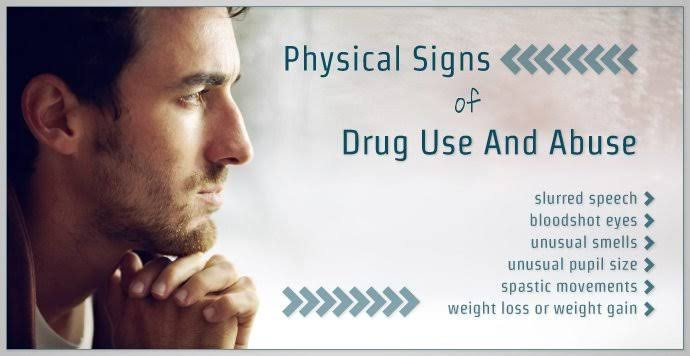
Spotting drug use is rarely simple. There’s usually no single moment that gives it away. Instead, small things add up: a different look, a different mood, a different way of handling money. If you’re reading this because you’re worried about someone, and perhaps searching for a Nasha Mukti Kendra in Barnala , you’re already taking the situation seriously.
This guide groups the common signs into three kinds of clues. It also explains what these signs can’t tell you, and what to do next. It can’t diagnose anyone. Only a qualified professional can assess that.
First, a word of caution
No sign on this page proves drug use. Illness, stress, grief, depression, lack of sleep, and money trouble can look similar. Drug use also differs by substance, so the signs vary.
Think of the signs as questions, not answers. When several appear together and last for weeks, it makes sense to look more closely.
Physical clues
The body often shows changes first. These may include:
-
Eyes that look red, glassy, or unusually sensitive to light, or pupils that seem very large or very small
-
Sudden weight loss or gain, or a clear change in appetite
-
Slurred speech, unsteady walking, or long spells of drowsiness
-
Long periods of being awake, with a lot of restless energy, followed by crashing sleep
-
Shaking hands, sweating, or frequent sniffing without a cold
-
Marks, sores, or bruises on the skin that aren’t explained
-
Less care with washing, grooming, or clothes
-
A smell of smoke, chemicals, or alcohol that doesn’t match the situation
Many of these can have medical causes. If someone looks unwell, a doctor’s visit is useful whatever the reason.
Behaviour clues
Changes in the way a person acts are often easier to notice for those who know them well.
-
Mood swings that seem out of proportion, such as sudden anger, tears, or unusual cheerfulness
-
Withdrawing from family, or avoiding meals and gatherings
-
Losing interest in work, studies, sport, or things they once enjoyed
-
Staying out at odd hours, or disappearing for long periods
-
New friends, or being secretive about who they meet
-
Missed responsibilities, such as skipping work or forgetting commitments
-
Vague or changing explanations, or lies that don’t add up
-
Strong reactions when asked simple questions
-
Mixed signs: very low and withdrawn on some days, restless and irritable on others
One bad week is not a pattern. Look for change that stays.
Money clues
Substances cost money, and the pressure to find it can show up in daily life.
-
Asking to borrow money often, with changing reasons
-
Money, jewellery, or household items going missing
-
Unpaid bills, or growing debts the family didn’t know about
-
Selling personal belongings
-
Withdrawing cash often, or having no clear idea where the money went
-
A sudden change in spending, with less spent on family needs
-
Being secretive about bank messages, phone records, or accounts
Please treat these clues carefully. Money trouble can also come from job loss, gambling, or other problems. Accusing someone of stealing or lying before you know the facts can harm trust.
Putting the clues together
Here is a simple way to think about it. Imagine someone who has lost weight, sleeps at odd hours, has stopped meeting old friends, and often asks for small loans. Any one of these might have an ordinary explanation. Together, over several weeks, they make a stronger reason to start a caring conversation and consider a medical check. (This is an example, not a real case.)
It can help to write down what you’ve seen, with dates. A short note is easier to share with a doctor or counsellor than a vague worry.
What not to do
-
Don’t search their belongings in secret or follow them. It can break trust.
-
Don’t accuse, threaten, or shame. These often lead to more hiding.
-
Don’t lend money in ways that may feed the problem, while also not cutting off help for basic needs like food and medical care.
-
Don’t try to force a sudden stop at home if you think the person uses a substance daily.
-
Don’t blame yourself. Substance use has many causes.
How to speak to the person
Pick a calm, private moment when the person is sober and not in the middle of an argument. Start with care: “I’ve noticed you’ve seemed worn out lately, and I’m worried about you.” Describe what you’ve seen without labels. Listen more than you talk.
The person may deny everything or get angry the first time. That’s common. Leave the door open and try again later. If you fear the talk may turn into a fight, speak to a counsellor first for guidance.
When to seek a professional assessment
Consider a doctor, psychiatrist, or counsellor if:
-
The signs are continuing or getting worse
-
The person admits to using, or you have clear evidence
-
Health, work, relationships, or safety are being affected
-
They’ve tried to stop and couldn’t
-
There are signs of low mood or hopelessness
An assessment helps find out what substance is involved, how it affects health, and which type of support suits the person. A Nasha Mukti Kendra in Barnala may be one place to ask about assessment and treatment options. The right choice depends on the person’s situation.
Withdrawal can be dangerous
If a person has been using a substance regularly, stopping suddenly can cause withdrawal symptoms. With alcohol and sedative medicines such as benzodiazepines, withdrawal can be dangerous and may need medical supervision. Other substances can also cause serious discomfort.
Please speak to a doctor before anyone tries to stop. Don’t give any medicine to ease withdrawal unless a doctor has advised it. When looking at a Nasha Mukti Kendra in Barnala or anywhere else, ask who supervises withdrawal.
Get emergency help immediately if
-
The person can’t be woken, or is breathing very slowly or with difficulty
-
There’s a seizure or fit
-
They’re confused, very agitated, or seeing or hearing things that aren’t there
-
There’s chest pain
-
They have taken a large amount of something, or mixed substances, and seem very unwell
-
They talk about harming themselves or ending their life
Go to the nearest hospital or call local emergency services. Don’t wait for a better moment to talk.
A calm next step
Noticing the signs is hard, but it’s also the start of getting help. Write down what you’ve seen, choose a quiet moment to talk, and speak to a doctor or counsellor if the worry continues.
If you’d like to know what support may be available, including in Barnala, you can contact Drug Free Country with your questions. You don’t need to be certain first. A conversation is a fair place to begin.










Comments (0)