

Spider Veins Treatment in Dubai: Addressing Leg Veins Effectively
Understand options for leg veins and Spider Veins Treatment in Dubai with guidance from Tajmeels Clinic.
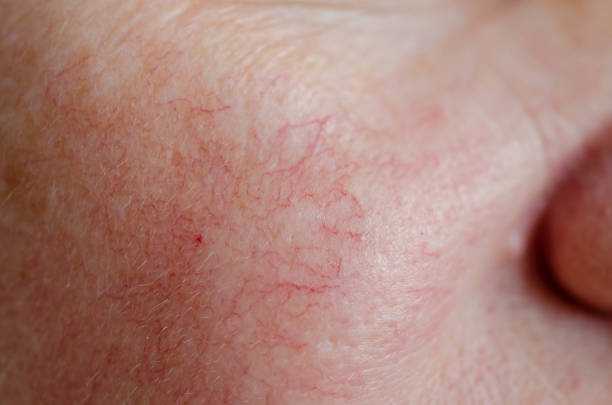
Visible spider veins on the legs can affect skin appearance and, in some cases, occur alongside symptoms such as heaviness, aching, or itching. Spider Veins Treatment in Dubai may involve vascular laser therapy, sclerotherapy, or a combination of approaches, depending on the size, depth, and distribution of the vessels.
Choosing an appropriate treatment begins with understanding whether the visible lines are small superficial spider veins, larger reticular veins, or part of a broader venous condition.
Understanding Different Types of Visible Leg Veins
Not every visible vein on the legs is the same. Correct identification helps determine which treatment may be suitable.
Spider Veins and Reticular Veins
Spider veins, medically known as telangiectasias, are small superficial blood vessels that can appear red, blue, or purple. They often form fine branching patterns near the skin's surface.
Reticular veins are generally larger blue or greenish veins beneath the skin. They may feed into or appear alongside smaller spider veins.
Varicose veins are usually larger, more prominent, and sometimes raised or twisted. They may indicate underlying venous valve problems and require a different assessment.
How Spider Veins Treatment in Dubai Addresses Leg Vessels
Treatment selection depends on the vessels being addressed rather than simply the visible area.
Vascular Laser for Selected Leg Spider Veins
Vascular lasers deliver controlled light energy that is absorbed by haemoglobin within targeted blood vessels. The resulting thermal effect can damage selected vessels, which the body gradually processes.
Laser therapy may be considered for certain superficial leg vessels. The appropriate wavelength and settings depend on vessel diameter, depth, skin tone, and other clinical factors.
Patients should understand that not every leg vein responds equally well to laser treatment.
Sclerotherapy for Suitable Leg Veins
Sclerotherapy involves injecting a medical solution into selected veins. The solution irritates the vessel lining, encouraging the treated vein to close over time.
It is commonly considered for suitable leg spider veins and reticular veins. The method is different from laser treatment and may be more appropriate for certain vessel sizes and patterns.
A specialist can explain whether laser therapy, sclerotherapy, or another approach is more suitable.
What Happens During a Leg Vein Assessment
An assessment helps establish the type of veins present, identify symptoms, and determine whether cosmetic treatment is appropriate.
The clinician may consider:
-
The colour, size, and distribution of visible vessels.
-
Whether veins are flat or raised.
-
The presence of aching, itching, heaviness, or swelling.
-
Previous vein treatments and medical history.
-
Pregnancy history and relevant hormonal factors.
-
Skin tone, sensitivity, and pigmentation history.
-
Signs that may indicate underlying venous disease.
Duplex ultrasound may be recommended if symptoms, prominent varicose veins, swelling, or skin changes suggest venous reflux. It is not routinely necessary for every small cosmetic spider vein.
Preparing for Leg Spider Veins Treatment
Preparation depends on the selected procedure. Before treatment, patients should share information about medications, allergies, previous procedures, skin conditions, and any history of circulation problems.
Practical preparation may include:
-
Following the clinic's instructions about skincare.
-
Avoiding tanning and excessive sun exposure when advised.
-
Wearing comfortable clothing that allows access to the legs.
-
Asking whether compression garments may be needed.
-
Confirming any medication instructions with the treating clinician.
Patients should not stop prescribed medication without medical advice.
Recovery and Expected Changes in Leg Appearance
After vascular laser treatment, temporary redness, swelling, tenderness, bruising, or darkening of treated vessels may occur. Following sclerotherapy, bruising, tenderness, and pigmentation changes are also possible.
Visible improvement is generally gradual. The body needs time to process treated vessels, and more than one session may be required.
Results vary according to the vessel characteristics, treatment method, and individual response. Neither laser treatment nor sclerotherapy guarantees that all visible veins will disappear.
When Leg Veins Need Medical Attention
Although many spider veins are primarily a cosmetic concern, symptoms should not automatically be attributed to superficial vessels.
Seek medical evaluation for persistent leg swelling, ongoing pain, skin changes around the ankles, bleeding veins, or prominent varicose veins.
Sudden swelling in one leg, particularly with pain, warmth, or redness, requires urgent medical assessment because it may indicate a blood clot or another serious condition.
Supporting Leg Vein Health After Treatment
Patients can support general leg health through regular movement, comfortable physical activity, and breaks from prolonged sitting or standing.
Compression stockings may be useful for selected patients with venous symptoms, but they do not eliminate existing spider veins. Their suitability should be confirmed by a clinician.
Maintaining realistic expectations is also important because new vessels may develop over time due to inherited tendencies, hormonal changes, ageing, or underlying venous conditions.
Clinic Note: Effective leg vein treatment starts with identifying the vessel type. Small superficial spider veins, reticular veins, and varicose veins may require different approaches, so an individual assessment is essential.
FAQs About Leg Spider Veins Treatment in Dubai
Can laser treatment remove spider veins on the legs?
Laser therapy can improve selected superficial vessels. Suitability depends on their size, depth, location, skin tone, and other individual factors.
Is sclerotherapy better than laser for leg veins?
Neither method is universally better. Sclerotherapy is often used for suitable leg spider veins and reticular veins, while laser therapy may be appropriate for selected superficial vessels.
How many sessions are needed for leg spider veins?
The number depends on the number and characteristics of the vessels and how they respond. A treatment plan can be discussed after examination.
Can leg spider veins cause pain?
Many are asymptomatic, but some people report itching, burning, or discomfort. Persistent pain or swelling should be assessed to check for other vein conditions.
Will treated leg veins return?
Treated vessels may become less visible, but new spider veins can develop over time. Treatment does not remove the underlying risk factors.
Explore Leg Vein Treatment Options at Tajmeels Clinic
Understanding the type of visible leg veins is the first step towards selecting an appropriate approach. Tajmeels Clinic provides consultations to discuss individual concerns, assess treatment suitability, and explain available options for Spider Veins Treatment in Dubai.

I’m part of Tajmeels Clinic in Dubai, sharing insights on Rhinoplasty Dubai, facial harmony, skincare, hair restoration, and personalized aesthetic care. lear more: https://tajmeels.ae/en/plastic-surgery/closed-rhinoplasty/







Comments (0)