

Drywall Painting in Edmonton, AB: Preparation, Techniques, and Tips for a Flawless Finish

Introduction
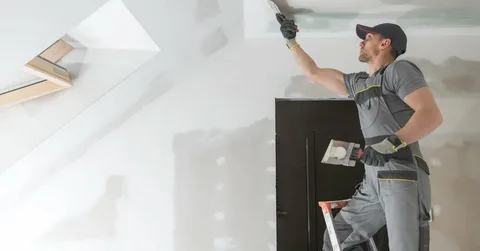
Freshly painted walls can transform the appearance of any property, making rooms feel cleaner, brighter, and more inviting. However, achieving a professional finish requires more than choosing an attractive paint colour. Proper surface preparation, drywall repairs, quality materials, and suitable painting techniques all contribute to long-lasting results. For homeowners in Edmonton, Alberta, understanding the process of drywall painting can help protect interior surfaces and improve the overall appearance of their living spaces.
Whether renovating an older home, finishing a basement, or updating a newly constructed property, professional drywall painting in Edmonton, AB, can make a noticeable difference. With the right approach, even minor wall imperfections can be addressed before paint is applied, creating smooth and consistent surfaces throughout the property.
Why Proper Drywall Preparation Matters Before Painting
Drywall provides a smooth foundation for interior paint, but its surface must be properly prepared to achieve an even finish. Small holes, visible seams, dents, scratches, and uneven patches can become more noticeable once paint is applied.
Preparation typically begins with inspecting the walls and identifying areas that need attention. Loose material, damaged sections, and old paint imperfections should be addressed before moving forward. Joint compound may be used to repair holes and smooth uneven areas, while sanding helps create a consistent surface.
After repairs, removing dust and applying an appropriate drywall primer helps improve paint adhesion and coverage. Skipping these steps can result in uneven colour, visible patches, or inconsistent sheen. Taking time to prepare the surface properly reduces the likelihood of future touch-ups and helps the finished walls look more refined.
Common Drywall Problems That Require Attention
Before starting a painting project, it is important to identify common drywall issues that may affect the final result.
Cracks and Wall Damage
Small cracks can develop around doors, windows, and wall joints due to normal building movement or changes in temperature and humidity. These areas should be assessed and repaired using suitable materials before painting. Larger or recurring cracks may require further investigation to identify the underlying cause.
Nail Holes and Dents
Nail holes, screw marks, and minor dents are common in residential interiors. Although these imperfections may appear insignificant, they can stand out under direct lighting. Filling and sanding damaged spots helps create a smoother painting surface.
Uneven Drywall Joints
Poorly finished drywall joints can create visible lines or raised areas across walls and ceilings. Applying joint compound, feathering the edges, and sanding carefully can improve the appearance of these surfaces before primer and paint are applied.
Understanding the Drywall Painting Process
A successful drywall painting project involves several stages. Each step contributes to the quality, durability, and appearance of the finished surface.
Step 1: Inspecting and Cleaning the Surface
The first stage involves checking the walls and ceilings for damage, stains, loose material, and imperfections. Dust, dirt, and other contaminants should be removed because they can interfere with primer and paint adhesion.
Step 2: Repairing and Sanding
Damaged sections are repaired using appropriate drywall compounds and patching materials. Once the repairs have dried, sanding creates a smooth transition between the repaired areas and the surrounding wall. Careful sanding is particularly important when working with previously painted surfaces.
Step 3: Applying Drywall Primer
Primer creates a consistent base for the finishing coat. Fresh drywall and repaired sections can absorb paint differently from previously painted areas. A suitable primer helps control absorption, improves adhesion, and reduces the risk of uneven finishes.
Step 4: Applying Paint
After the primer has dried according to the manufacturer's instructions, paint can be applied. Most projects require two coats for consistent coverage, although the exact number depends on the paint product, surface condition, and colour change. Professional painters use appropriate brushes and rollers to achieve even application across walls and corners.
Step 5: Final Inspection and Touch-Ups
Once the paint has dried, the completed surface should be inspected under normal room lighting. Any missed spots, uneven coverage, or minor imperfections can then be addressed. Proper cleanup and removal of protective coverings complete the project.
Home Painting in Edmonton, AB: Improving Residential Interiors
Painting is one of the most practical ways to refresh a residential property without undertaking a major renovation. Home painting in Edmonton, AB, gives homeowners an opportunity to update outdated colours, improve interior appearance, and create spaces that better reflect their preferences.
Living rooms, bedrooms, kitchens, hallways, and finished basements all benefit from carefully planned painting projects. Each area may require a different paint finish depending on its purpose and level of daily use.
For example, eggshell and satin finishes are popular choices for many residential walls because they offer a balance between appearance and cleanability. Semi-gloss finishes are often suitable for trim, doors, and areas that require more frequent cleaning. Flat finishes can help reduce the visibility of minor surface imperfections in suitable spaces.
Choosing the right colour is equally important. Lighter shades can make smaller rooms feel more open, while deeper colours can add character and contrast. Considering natural lighting, furniture, flooring, and existing décor helps create a consistent appearance throughout the home.
Choosing the Right Paint for Drywall Surfaces
Not all paints provide the same performance. Selecting a suitable product depends on the condition of the drywall, the room's purpose, and the desired finish.
Water-based latex paints are widely used for residential interior walls because they are relatively easy to apply, dry efficiently, and are available in numerous colours and finishes. Higher-quality paints may also provide better coverage and resistance to everyday wear.
For kitchens and bathrooms, homeowners should consider products designed for areas exposed to moisture and frequent cleaning. However, paint alone cannot solve underlying moisture problems. Any leaks, condensation, or ventilation issues should be corrected before painting begins.
Using compatible primer and paint products is another important consideration. Following manufacturer recommendations helps achieve better adhesion and a more consistent finish.
Benefits of Hiring Professional Drywall Painters
Although some homeowners prefer handling small painting projects themselves, larger jobs and damaged drywall often require professional experience. Skilled painters understand how different surfaces respond to preparation materials, primers, and finishing products.
Professional services can help homeowners save time, reduce material waste, and avoid common application problems. Experienced painters also have access to suitable tools for reaching ceilings, handling corners, protecting flooring, and maintaining consistent coverage across large surfaces.
Another advantage is proper project planning. Professionals can assess the condition of the walls, recommend suitable products, estimate the required materials, and establish a realistic project schedule. This is particularly useful when painting several rooms or completing work as part of a larger renovation.
Seasonal Considerations for Painting in Edmonton
Edmonton experiences significant seasonal temperature changes, which can influence indoor painting conditions. While interior drywall painting can generally be completed throughout the year, maintaining suitable indoor temperature and humidity is important.
Cold weather may affect drying conditions if indoor heating is insufficient. During warmer months, proper ventilation can help maintain comfortable working conditions and support the manufacturer's recommended drying process.
Homeowners should also avoid painting surfaces affected by condensation or excessive moisture. Ensuring the indoor environment is suitable before starting work helps improve application quality and the final appearance.
How to Select a Reliable Painting Contractor
Choosing the right painting contractor is an important part of any drywall improvement project. Before hiring a professional, review their experience with drywall preparation, interior painting, and wall repairs.
Ask for a detailed written estimate outlining surface preparation, repair work, primer application, paint products, labour, and cleanup. This makes it easier to understand what is included in the service and compare different proposals.
It is also helpful to check customer reviews, request examples of completed projects, and confirm insurance coverage. Clear communication about project timelines, colour selections, and expectations can prevent misunderstandings during the work.
A dependable contractor should be willing to explain the painting process and recommend solutions based on the property's actual condition rather than offering a one-size-fits-all approach.
Conclusion
Well-painted drywall can improve the appearance, comfort, and overall presentation of a residential property. However, achieving a consistent result requires proper inspection, surface repairs, sanding, priming, and careful paint application. Each stage plays an important role in creating a smooth and durable finish.
Homeowners planning interior improvements can benefit from understanding the materials and techniques involved in drywall painting. Whether updating a single room or renovating an entire property, professional drywall painting in Edmonton, AB, provides an effective way to refresh interior spaces. Combining quality preparation with suitable products and experienced workmanship also makes home painting in Edmonton, AB, a worthwhile investment in maintaining an attractive and welcoming home.






Comments (0)