

How to Minimize Swelling After Rhinoplasty Surgery in Dubai
Learn how to manage swelling after Rhinoplasty Surgery in Dubai with safe, surgeon-guided recovery practices.
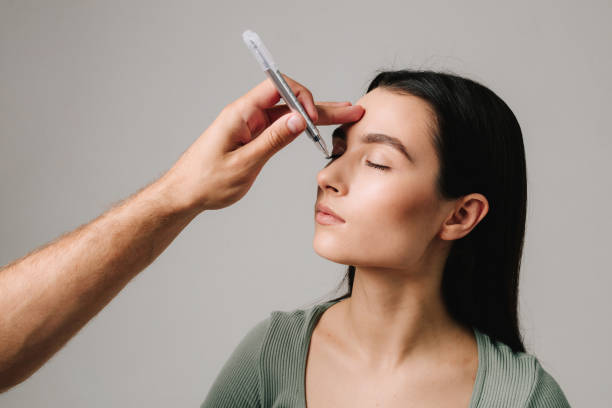
Swelling is a normal part of healing after Rhinoplasty Surgery in Dubai. Surgical changes affect bone, cartilage, and surrounding soft tissues, so the nose needs time to recover. Although swelling cannot be eliminated completely, following the surgeon's aftercare instructions may help patients manage it and protect the healing structures.
The amount and duration of swelling vary according to the procedure, skin thickness, individual healing response, and other clinical factors. Understanding these influences can help patients maintain realistic expectations throughout recovery.
Why Swelling Occurs After Rhinoplasty Surgery in Dubai
Swelling develops as the body responds to surgical changes and begins repairing affected tissues.
The Body's Natural Healing Response
After surgery, fluid and inflammatory responses accumulate around the treated area. This can cause the nose and nearby tissues to appear fuller or feel firm.
Bruising, tenderness, and temporary congestion may occur alongside swelling. These effects generally change as recovery progresses.
Areas That May Retain Swelling Longer
The nasal tip can remain swollen longer than other parts of the nose because of its tissue characteristics and structural complexity.
The bridge may become more defined earlier, while subtle changes around the tip continue over several months.
Practical Ways to Manage Swelling Safely
Patients should follow the specific instructions given by their surgeon. Several common recovery measures may be recommended.
Keep the Head Elevated When Resting
The surgeon may recommend resting with the head elevated during early recovery. This position can help manage fluid accumulation around the face.
Patients should ask how long this precaution is necessary and which sleeping position is appropriate for their procedure.
Use Cooling Measures Only as Directed
A surgeon may recommend carefully applied cold compresses around the eyes or nearby areas during the early recovery period.
Cold packs should never place pressure on the operated nose. Patients should follow instructions about placement, duration, and frequency.
Avoid Unnecessary Pressure on the Nose
Protecting the surgical area is important while tissues heal.
Patients should avoid:
-
Pressing or rubbing the nose
-
Sleeping face-down
-
Wearing unsupported glasses that rest on the nasal bridge
-
Activities that risk accidental facial impact
-
Adjusting splints or dressings without approval
Lifestyle Habits That Support Recovery
Daily habits can influence general healing and comfort.
Maintain Hydration and Balanced Nutrition
Drinking adequate fluids and eating balanced meals support overall health during recovery. Patients should follow any dietary instructions provided by their medical team.
No specific food or drink can guarantee faster resolution of post-operative swelling.
Avoid Smoking and Nicotine
Smoking and nicotine can interfere with circulation and tissue healing. Patients should discuss cessation recommendations with their surgeon and follow the advised restrictions before and after surgery.
Allow Enough Time for Rest
The body needs time to recover after an operation. Avoiding unnecessary exertion during early healing may reduce discomfort and help patients follow their recovery plan more consistently.
Activities That May Increase Swelling
Certain activities can place additional demands on the body or expose the nose to injury.
Exercise and Heavy Physical Activity
Strenuous exercise and heavy lifting may increase swelling or bleeding risk during early recovery. Patients should resume activity gradually and only after receiving approval from their surgeon.
Heat Exposure and Environmental Conditions
Patients should ask their surgeon about hot environments, prolonged sun exposure, and activities that may increase facial discomfort during early healing.
In Dubai's warm climate, planning outdoor activities carefully can help patients avoid unnecessary heat exposure while recovering.
Understanding the Swelling Timeline
Swelling changes gradually rather than disappearing at a fixed point.
Early Recovery
During the first days and weeks, swelling may be noticeable around the nose and eyes. Bruising and congestion may also occur.
The surgeon may monitor the healing process and advise when dressings or external support can be removed.
Later Recovery
Visible swelling generally reduces over time, but subtle residual swelling can remain for several months. The nasal tip may take longer to settle, particularly after more extensive structural changes.
Patients should attend follow-up appointments and avoid judging the result based on early photographs.
When Swelling Needs Medical Attention
Not every change in swelling should be treated as routine healing. Patients should contact their surgical team if swelling becomes suddenly worse or is accompanied by other concerning symptoms.
Seek prompt medical assessment for:
-
Significant or persistent bleeding
-
Fever
-
Spreading redness or unusual discharge
-
Increasing or severe pain
-
New or worsening breathing difficulties
-
Sudden changes that concern the treating team
Clinic Note: Swelling management should be based on the surgeon's instructions. Avoid self-massage, unapproved medication, or pressure-based techniques intended to speed up recovery.
Follow a Personalised Recovery Plan at Tajmeels Clinic
Managing swelling is part of a broader recovery process that requires patience and appropriate medical guidance. Tajmeels Clinic provides consultations and post-operative support to help patients understand expected healing changes, activity restrictions, and when to seek medical advice after rhinoplasty.
Frequently Asked Questions

I’m part of Tajmeels Clinic in Dubai, sharing insights on Rhinoplasty Dubai, facial harmony, skincare, hair restoration, and personalized aesthetic care. lear more: https://tajmeels.ae/en/plastic-surgery/closed-rhinoplasty/







Comments (0)