

Key Benefits of Seeking Specialist Ear Reshaping in Dubai
Explore the benefits of specialist ear reshaping in Dubai, from assessment to personalized treatment planning.
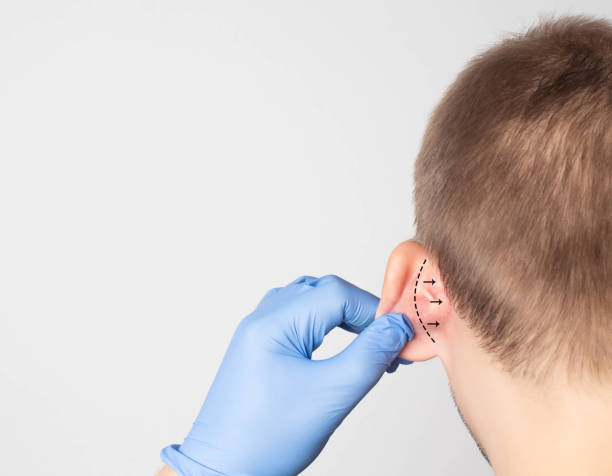
Choosing a qualified professional for Ear Reshaping in Dubai is an important part of planning otoplasty. The procedure involves delicate external ear structures, including cartilage folds and the conchal bowl, so treatment decisions should be based on a detailed understanding of individual anatomy. A specialist assessment can help determine whether surgery is appropriate, which techniques may be suitable, and what limitations should be considered.
Why Specialist Assessment Matters for Ear Reshaping in Dubai
Prominent or irregularly shaped ears can result from different anatomical features. A single technique may not be suitable for every patient.
A specialist evaluation helps distinguish between concerns related to cartilage folding, ear projection, contour, or other structural differences.
Identifying the Cause of Ear Prominence
The assessment may focus on:
-
An underdeveloped antihelical fold.
-
A prominent conchal bowl.
-
Differences in ear projection or contour.
-
Uneven positioning between the two ears.
-
Skin and cartilage characteristics that influence surgical options.
Understanding the underlying cause helps prevent an overly general treatment approach.
Personalized Technique Selection
Otoplasty can involve cartilage suturing, reshaping, scoring, conchal adjustment, or a combination of methods. The choice depends on the patient's anatomy and desired changes.
Matching the Technique to Ear Anatomy
A specialist can explain why one method may be more appropriate than another. For example, suture-based techniques may be considered when the main concern involves creating or refining an ear fold. Other cartilage modifications may be considered when the conchal structure contributes to projection.
Not every patient needs the same degree of correction, and some concerns may not require surgery at all.
Better Understanding of Risks and Limitations
An informed decision requires more than discussing the desired appearance. Patients should understand the possible complications and the limits of surgery.
Discussing Potential Otoplasty Complications
Possible risks include:
-
Bleeding or hematoma.
-
Infection or delayed wound healing.
-
Visible or raised scarring.
-
Temporary or persistent changes in sensation.
-
Cartilage irregularities.
-
Suture irritation or visibility.
-
Asymmetry, recurrence, or dissatisfaction.
-
The possible need for revision surgery.
A detailed discussion helps patients weigh the potential benefits against these risks.
Clearer Expectations Before Surgery
A specialist consultation should establish what surgery can reasonably change and what it cannot.
Understanding Natural-Looking Outcomes
Ear reshaping aims to improve selected structural features, not create identical ears or alter every aspect of facial appearance. Natural differences may remain, and the final appearance develops as swelling settles and tissues heal.
Patients should have an opportunity to discuss their goals and ask questions before consenting to treatment.
Continuity of Care Before and After Otoplasty
Care does not end when the procedure is completed. Follow-up appointments allow the treating team to review wound healing, monitor changes, and address concerns.
Patients should receive clear instructions about dressings, headband use, sleeping positions, activity restrictions, and symptoms that require medical attention.
Clinic Note: A specialist approach combines anatomical assessment, appropriate technique selection, clear risk discussions, and follow-up care. These elements help patients make informed decisions about otoplasty.
Frequently Asked Questions
Why should I have a specialist consultation before otoplasty?
An assessment helps identify the cause of the ear concern and determine whether surgery is suitable.
Does specialist treatment guarantee perfect symmetry?
No. Natural asymmetry may remain, and no surgical outcome can be guaranteed.
Can a specialist explain which otoplasty technique I need?
Yes. The consultation should explain the available methods and why a particular approach may suit your anatomy.
Is follow-up care important after ear reshaping?
Yes. Follow-up visits help monitor healing and identify complications that may need attention.
Making an Informed Choice About Ear Reshaping in Dubai
The right treatment plan begins with a careful evaluation rather than a one-size-fits-all approach. Tajmeels Clinic emphasizes personalized aesthetic planning and patient education, helping individuals understand the considerations involved in ear reshaping before deciding whether to proceed.

I’m part of Tajmeels Clinic in Dubai, sharing insights on Rhinoplasty Dubai, facial harmony, skincare, hair restoration, and personalized aesthetic care. lear more: https://tajmeels.ae/en/plastic-surgery/closed-rhinoplasty/







Comments (0)