

Mole Removal in Dubai: Common Treatment Areas and Techniques
How treatment area shapes mole removal in Dubai: facial, scalp, chest, back, and limb lesions compared, with technique and scarring considerations by site.

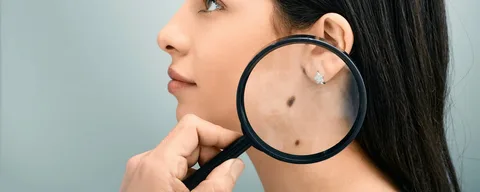
A mole on the eyelid and a mole on the shoulder are not the same clinical problem. Skin thickness, movement, tension, sun exposure, and cosmetic visibility all differ, and those differences determine which technique is appropriate and what the healed result will look like. Patients rarely realise how much location drives planning. For anyone considering mole removal in Dubai, understanding the common treatment areas — and why each demands a different approach — explains much of what a clinician recommends during consultation.
Why Location Changes Everything
Three properties vary across the body and shape every decision.
Skin thickness. Eyelid skin is among the thinnest on the body; back skin is thick and under tension. A technique suited to one is not necessarily suited to the other.
Mechanical tension. Skin over joints and the chest stretches constantly, which widens scars. Skin on the face is comparatively protected.
Cosmetic visibility. A facial lesion is seen daily; a lesion on the back is not. This changes the acceptable trade-off between diagnostic certainty and scar appearance.
Add sun exposure and healing characteristics, and the case for site-specific planning becomes obvious.
Mole Removal in Dubai: The Face and Neck
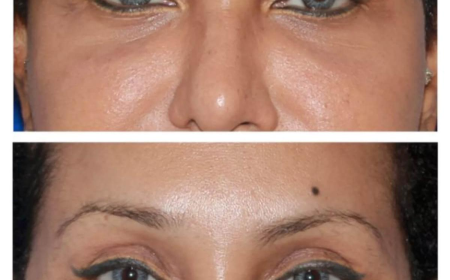
Facial moles are the most common cosmetic concern and the area where technique matters most for appearance.
Key considerations:
-
Fine skin and rich blood supply usually produce good healing, often with fine linear scars
-
Visibility makes scar quality a primary concern for patients
-
Sensitive structures near the eyelid margin, lip vermilion, and nostril require precise planning
-
Excision with fine sutures often produces a better cosmetic result than cautery, despite involving stitches
A common misconception is that laser is preferable on the face. For some benign lesions it can be, but for suspicious or deep lesions, a well-planned excision frequently heals with a less noticeable mark than a surface-destroying technique.
Moles on the Scalp and Hairline
Scalp lesions present practical challenges:
-
Hair obscures the lesion, sometimes delaying detection
-
Shaving a small area may be necessary before treatment
-
Wound care around hair requires specific instructions
-
Suture removal timing may be adjusted for the scalp's blood supply
Scalp moles deserve examination rather than dismissal as cosmetic, particularly if they have changed or bleed when combed.
Mole Removal in Dubai: The Chest, Back, and Shoulders
These sites are prone to poorer scarring, and patients should be counselled accordingly before treatment.
Why these areas behave differently:
-
High skin tension during movement and breathing
-
Thicker dermis, which can produce wider scars
-
Keloid tendency is more common here than on the face
-
Friction from clothing during healing
For clearly benign moles at these sites, some patients reasonably choose to leave them alone rather than trade a harmless mole for a prominent scar. For suspicious lesions, excision remains appropriate regardless of scar considerations.
Limbs and Acral Skin
Moles on the arms and legs are common and generally straightforward. Special attention applies to:
-
Palms and soles, where pigmented lesions warrant a lower threshold for assessment
-
Nail apparatus, where subungual pigmentation requires careful evaluation
-
Over joints, where tension affects healing and activity restrictions
Hands and feet are also areas patients examine least often, which makes professional review more valuable.
Mole Removal in Dubai: Choosing Technique by Site
A simplified overview of how technique tends to follow location:
| Site | Common approach | Notes |
|---|---|---|
| Face and neck | Excision with fine sutures | Often best cosmetic outcome |
| Eyelid margin | Specialist excision | Precise planning essential |
| Scalp | Excision | Small shave prep may be needed |
| Chest and back | Excision | Higher scar risk; counsel accordingly |
| Raised benign lesions | Shave or cautery | Cosmetic removal only |
| Multiple small lesions | Shave, cautery, or laser | Convenience may outweigh histology |
| Palms, soles, nails | Excision with histology | Lower threshold for testing |
This table reflects general tendencies, not rules. The lesion itself remains the primary determinant.
What Patients Commonly Ask About Specific Areas
"Can a mole near the eye be removed safely?" Yes, with appropriate planning. Eyelid margin lesions may warrant specialist input, and the approach is tailored to protect function and appearance.
"Will a mole on my back leave a bad scar?" Possibly more noticeable than on the face. This should be discussed before treatment rather than discovered afterwards.
"Can several moles be removed in one session?" Often yes, though site distribution affects planning, anaesthetic volume, and aftercare.
"Is a mole on the scalp worth removing?" If it has changed, bleeds, or is difficult to monitor, yes — examination first, then a decision.
How Clinic Practice Adapts to Location
Site-specific planning is a marker of clinical experience. At Tajmeels Clinic in Dubai, the technique is selected after assessing both the lesion and its location — accounting for skin thickness, tension, cosmetic visibility, and healing behaviour — and the expected scar is discussed in those terms rather than in generalities. A clinic that offers the same technique for every site is not planning; it is defaulting.
Questions Worth Asking
-
What scar should I expect at this specific site?
-
Is this location prone to poor healing or raised scarring?
-
Would a different site on my body need a different technique?
-
How will my daily activities affect healing here?
-
Is this mole in an area that needs periodic professional review?
Closing View
Treatment area is not a detail — it is a central part of the clinical decision. A mole on the face, back, scalp, or hand each brings its own anatomy, risks, and healing pattern, and the technique should follow from those facts. Patients who understand why their site was treated the way it was tend to accept the resulting scar more readily, because it matches what was discussed. If your clinician has not explained the reasoning for your specific location, ask — it is one of the most useful conversations you can have.
Ready to Begin Your Transformation?
Get in touch with us today to explore exclusive offers and find the right treatment for you!
WhatsApp: +971 56 203 8751
Phone: +971 4 373 9000
Social Media:








Comments (0)