

How Do Roofing Design Choices Affect Indoor Temperature Regulation?
Discover how roofing design choices, including materials, insulation, ventilation, and roof color, affect indoor temperature regulation and residential energy efficiency.
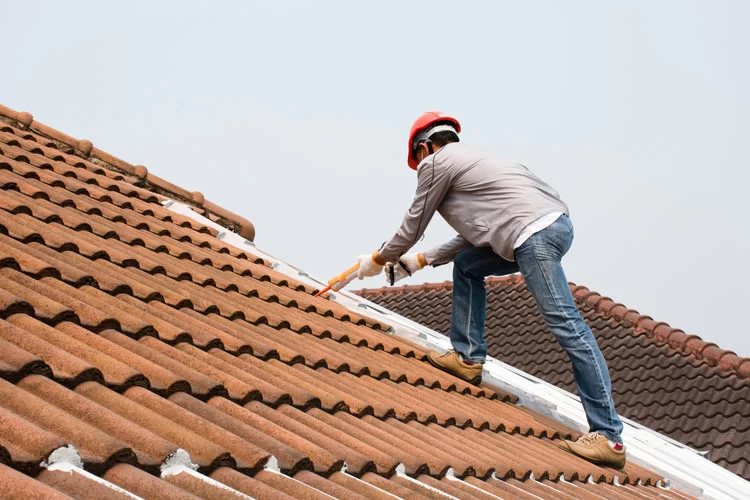
Indoor temperature regulation is one of the most important factors influencing residential comfort, energy consumption, and long-term building performance. While homeowners often focus on insulation, air conditioning systems, and ventilation when trying to maintain comfortable indoor temperatures, the roof also plays a major role. As the uppermost protective layer of a house, the roof receives direct exposure to sunlight, outdoor temperatures, wind, and seasonal weather changes. Its design can significantly influence how much heat enters or escapes from the building.
Roofing design choices affect indoor temperature regulation in several ways. Material selection, roof color, insulation thickness, ventilation systems, roof slope, and reflective properties all influence how a home responds to changing outdoor conditions. A properly designed roofing system can reduce unwanted heat transfer, support consistent indoor temperatures, and help heating and cooling equipment operate more efficiently.
On the other hand, unsuitable roofing materials or poor design decisions can contribute to excessive indoor heat, uneven room temperatures, higher energy bills, and unnecessary strain on HVAC systems.
Understanding these factors helps homeowners make informed decisions when planning roof installations, replacements, or upgrades. Working with experienced professionals offering Residential Roofing Services can also help ensure that roofing design decisions support the home's architectural structure, local climate, and energy-efficiency goals.
Let's explore how different roofing design choices influence indoor temperature regulation and what homeowners should consider when selecting a roofing system.
1. Roofing Material Selection Influences Heat Absorption
The roofing material is one of the first design considerations affecting indoor temperature regulation. Different materials absorb, reflect, and release heat at different rates. These characteristics determine how much solar energy reaches the underlying roof structure and potentially affects indoor spaces.
For example, traditional asphalt shingles are widely used because they are affordable, versatile, and available in various styles. However, darker asphalt shingles can absorb significant amounts of sunlight, potentially increasing roof surface temperatures during hot weather.
Metal roofing offers different thermal characteristics. Many metal roofing products have reflective finishes that help reduce solar heat absorption. Metal also releases absorbed heat relatively quickly after direct sunlight decreases, although its actual thermal performance depends on color, coating, insulation, and installation details.
Clay and concrete tiles can provide thermal mass. Their thickness and construction allow them to absorb heat gradually and release it over time. When combined with appropriate ventilation and insulation, tile roofing can contribute to more stable indoor temperatures.
Other materials, including slate and certain synthetic roofing products, offer different combinations of durability, thermal mass, and reflective performance.
Homeowners should evaluate roofing materials based on more than appearance or initial installation cost. Their thermal characteristics, maintenance requirements, expected lifespan, and compatibility with the existing roof structure also deserve attention.
2. Roof Color Affects Solar Heat Absorption
Roof color is another important factor influencing how much heat a roofing system absorbs from sunlight.
Dark-colored roofing materials generally absorb more solar radiation than lighter-colored alternatives. During summer, this can cause roof surfaces to become significantly warmer, particularly in regions that experience prolonged sunshine.
Light-colored roofing materials typically reflect a greater proportion of incoming sunlight. This reduces the amount of solar energy absorbed by the roof surface and can help limit heat transfer into the building.
For example, homeowners considering asphalt shingles may find that lighter gray, beige, or reflective shingle options provide different thermal benefits compared with traditional dark brown or black shingles.
However, color alone does not determine roofing performance. Reflective coatings, material composition, surface texture, and insulation also influence the overall result.
Some modern roofing products are specifically designed with cool-roof technology. These products use reflective surfaces and specialized materials to reduce solar heat absorption.
When selecting roof colors, homeowners should consider:
- The amount of direct sunlight the property receives.
- Local summer temperatures and seasonal weather patterns.
- The energy performance of available roofing materials.
- Neighborhood design requirements and architectural preferences.
- The compatibility of reflective finishes with the selected roofing system.
A roofing professional can help homeowners balance appearance, durability, and thermal performance when choosing a suitable roof color.
3. Roof Insulation Helps Maintain Consistent Indoor Temperatures
Insulation plays a central role in controlling heat transfer between indoor and outdoor environments.
During summer, properly installed roof insulation slows the movement of outdoor heat into the living space. During winter, it helps retain indoor warmth by reducing heat loss through the roof assembly.
Without adequate insulation, a home may experience noticeable temperature differences between floors. Upper-level bedrooms and attic spaces can become particularly uncomfortable during hot weather because they are closer to the roof surface.
The effectiveness of insulation depends on several factors, including material type, thickness, installation quality, and local climate requirements.
Common residential insulation options include:
- Fiberglass insulation.
- Cellulose insulation.
- Mineral wool insulation.
- Spray polyurethane foam.
- Rigid foam insulation boards.
Each option has different thermal resistance, moisture-management characteristics, and installation requirements.
Homeowners should pay attention to the insulation's R-value, which measures its resistance to heat flow. Higher R-values generally indicate greater insulating capacity, although the appropriate level depends on climate, building design, and applicable energy codes.
Insulation should also be installed without significant gaps, compression, or interruptions. Poor installation can create thermal bridges that allow heat to move through areas where insulation is missing or less effective.
Professional assessment can help identify whether existing insulation is sufficient or whether an upgrade would improve indoor temperature stability.
4. Roof Ventilation Helps Control Heat Buildup
Roof ventilation is essential for managing heat and moisture within attic spaces.
During sunny weather, heat can accumulate beneath roofing materials and raise attic temperatures. Without an appropriate ventilation strategy, this trapped heat may contribute to warmer ceilings and increased cooling demands.
A balanced ventilation system allows fresh outdoor air to enter through intake vents while warmer air exits through exhaust vents.
Common residential roof ventilation components include:
- Soffit vents.
- Ridge vents.
- Gable vents.
- Roof-mounted exhaust vents.
- Certain powered attic ventilation systems.
Soffit vents generally provide intake airflow near the lower roof edges, while ridge vents allow warmer air to escape near the roof peak.
When properly designed, this arrangement supports continuous airflow through the attic.
However, simply adding more vents does not automatically improve ventilation. Intake and exhaust openings must be appropriately sized and positioned. Poorly balanced systems may reduce airflow effectiveness or draw conditioned indoor air into the attic through ceiling leaks.
Ventilation should also be coordinated with insulation and air sealing. In some building designs, unvented attic assemblies may be appropriate when constructed according to applicable building codes and manufacturer specifications.
Professional roofing assessments can help determine which ventilation approach is suitable for the home's structure and climate.
5. Roof Slope Influences Sunlight Exposure and Water Management
Roof slope, also known as pitch, affects the way a roofing surface interacts with sunlight, rain, and outdoor weather conditions.
Steeper roofs and low-slope roofs receive sunlight at different angles throughout the day. These differences can influence solar exposure depending on the roof's orientation, surrounding buildings, and geographic location.
A roof's slope also affects drainage. Proper water movement helps prevent standing water and moisture-related deterioration that could compromise roofing components.
In some climates, steep-slope roofs can support faster rainwater drainage and may accommodate certain roofing materials more effectively. Low-slope roofs often require specialized membranes and drainage systems to manage water properly.
The relationship between roof slope and temperature regulation is not determined by pitch alone. Insulation, ventilation, roofing material, and the overall roof assembly have a greater combined influence on indoor thermal performance.
When planning a new roof, homeowners should consider how the existing roof geometry interacts with the property's orientation and local weather conditions.
Experienced roofing contractors can evaluate whether the roof's current design supports effective drainage, ventilation, and long-term thermal performance.
6. Reflective Roofing Systems Can Reduce Cooling Demands
Reflective roofing technology has become increasingly important as homeowners look for ways to improve building energy efficiency.
Traditional roofing surfaces can absorb substantial amounts of solar energy, particularly during prolonged summer exposure. Reflective roofing products are designed to redirect a greater proportion of incoming sunlight away from the building.
Two important performance characteristics are:
Solar reflectance: This measures how much incoming sunlight a roofing surface reflects.
Thermal emittance: This measures how effectively a surface releases absorbed heat.
A roofing product with suitable reflectance and thermal emittance can help maintain lower roof surface temperatures compared with conventional products that absorb more solar energy.
Examples include:
- Reflective metal roofing.
- Cool asphalt shingles.
- Reflective roof coatings.
- Certain light-colored tile roofing products.
- Specialized reflective roofing membranes.
These products may be particularly beneficial for homes in regions with long, hot summers and substantial sunlight exposure.
However, reflective roofing does not eliminate the need for insulation or ventilation. It works as part of a complete roofing system.
Homeowners should also consider winter conditions. In heating-dominated climates, reducing solar heat gain may provide fewer benefits during colder months, depending on building characteristics and energy requirements.
The best choice depends on the property's climate, orientation, existing insulation, and overall energy-efficiency objectives.
7. Roof Decking and Underlayment Contribute to Thermal Performance
Roof decking and underlayment are important components of the overall roofing assembly.
Roof decking provides the structural surface that supports the roofing material. It is commonly constructed using plywood or oriented strand board (OSB).
Although decking is not typically considered a primary insulation component, its condition and installation affect the performance of the roof system.
Damaged, deteriorated, or moisture-affected decking can create problems that compromise the roofing assembly and its long-term reliability.
Underlayment is installed between the roof decking and the outer roofing material. Its primary purpose is to provide an additional protective layer against moisture intrusion.
Some modern underlayment products include reflective or radiant-barrier characteristics designed to reduce heat transfer when installed as part of an appropriate assembly.
Radiant barriers generally work by reflecting radiant heat rather than providing substantial resistance to conductive heat flow. Their effectiveness depends on installation details, including whether the reflective surface faces an appropriate air space.
Homeowners should avoid assuming that every underlayment product provides meaningful insulation benefits.
Choosing compatible decking, underlayment, and roofing materials helps create a more reliable system that supports both weather protection and thermal performance.
8. Roof Orientation Influences Daily Solar Exposure
The direction a roof faces can influence the amount of sunlight different sections receive throughout the day.
In the Northern Hemisphere, south-facing roof surfaces generally receive substantial direct sunlight, although actual exposure depends on roof pitch, season, surrounding structures, and geographic location.
East-facing roof sections typically receive stronger morning sunlight, while west-facing sections receive afternoon sunlight.
This distinction matters because afternoon temperatures are often higher than morning temperatures. West-facing roof surfaces may therefore experience significant heat exposure during warmer parts of the day.
North-facing roof sections usually receive less direct sunlight in many locations, although local conditions can vary.
Roof orientation becomes particularly important when planning energy-efficient roofing upgrades.
For example, homeowners may benefit from evaluating reflective materials or additional insulation in areas experiencing greater solar exposure.
Roof orientation also matters when considering rooftop solar panels. Their positioning can influence available roof space, shading, and the overall design of the roofing system.
A professional assessment can help identify which roof sections require additional attention to improve indoor temperature regulation.
9. Attic Design and Air Sealing Reduce Unwanted Heat Transfer
The attic acts as an important transition area between the roof and the living space.
Its design influences how heat moves through the building and whether indoor temperatures remain consistent.
Inadequate air sealing can allow conditioned air to escape into the attic during summer and warm indoor air to escape during winter.
Common sources of attic air leakage include:
- Gaps around electrical wiring.
- Plumbing penetrations.
- Attic access openings.
- Recessed lighting fixtures.
- Gaps around ventilation ducts.
- Openings around ceiling fixtures.
These small openings may appear insignificant individually, but collectively they can contribute to substantial air leakage.
Air sealing helps reduce unwanted movement of indoor and outdoor air. When combined with appropriate insulation, it improves the thermal performance of the building envelope.
Homeowners should also consider attic access insulation, duct sealing, and moisture management.
In certain roof designs, an unvented conditioned attic may be more appropriate than a traditional vented attic. However, this approach requires careful attention to vapor control, air sealing, insulation placement, and local building requirements.
Professional evaluation can help determine which attic configuration best supports the home's energy-efficiency goals.
10. Roof Overhangs and Shading Can Limit Solar Heat Gain
Roof overhangs are architectural features that extend beyond exterior walls.
They provide several practical benefits, including protection against rain, reduced direct sunlight through windows, and improved exterior weather protection.
During summer, appropriately designed overhangs can shade windows and exterior walls when the sun is high. This helps reduce solar heat entering the home through glazed surfaces.
During winter, lower-angle sunlight may pass beneath the overhangs and provide natural indoor warmth, depending on the building's orientation and geographical location.
This makes overhang design an important consideration in passive solar design strategies.
Additional shading features may include:
- Covered porches.
- Pergolas.
- Exterior window shades.
- Strategically placed trees.
- Architectural awnings.
However, shading should be planned carefully. Excessive shade may reduce useful daylight or limit winter solar heat gain.
A roofing design that considers roof geometry, building orientation, and surrounding landscaping can contribute to improved indoor comfort throughout the year.
11. Moisture Management Supports Long-Term Roofing Performance
Temperature regulation is not only about controlling heat. Moisture management also plays an important role in maintaining the performance of roofing and insulation materials.
When moisture enters the roof assembly through leaks, condensation, or inadequate ventilation, it can reduce insulation effectiveness and contribute to material deterioration.
Wet insulation often performs less effectively than properly installed, dry insulation. Persistent moisture may also encourage mold growth, wood decay, and corrosion of certain roofing components.
Common moisture-related roofing concerns include:
- Damaged flashing around roof penetrations.
- Blocked attic ventilation pathways.
- Leaking roof valleys.
- Deteriorated shingles or membranes.
- Improperly installed vapor-control layers.
- Condensation caused by air leakage.
These issues can affect indoor comfort and increase long-term maintenance requirements.
Homeowners should schedule periodic inspections to identify potential moisture problems before they cause extensive damage.
Professional Residential Roofing Services can help evaluate roof drainage, flashing, underlayment, ventilation, and other components that contribute to a dry and reliable roofing system.
12. Roofing Design Should Match Local Climate Conditions
A roofing system that performs effectively in one climate may not deliver the same results in another.
Climate-specific design considerations are essential when selecting roofing materials and planning insulation or ventilation upgrades.
Hot climates
Homes in hot regions often benefit from reflective roofing materials, appropriate insulation, effective attic ventilation where applicable, and shading strategies that reduce solar heat gain.
Cold climates
In colder regions, insulation and air sealing become particularly important because they help reduce indoor heat loss. Proper moisture control is also necessary to minimize condensation and ice-dam risks.
Humid climates
Homes in humid regions require careful moisture management. Roofing assemblies should be designed to limit unwanted moisture accumulation while supporting appropriate ventilation or other climate-specific moisture-control strategies.
Regions with changing seasonal temperatures
Properties exposed to hot summers and cold winters need roofing systems that can accommodate different thermal conditions throughout the year.
Homeowners should also consider local building codes, wind requirements, rainfall patterns, and the availability of suitable roofing materials.
A climate-specific roofing assessment helps ensure that design decisions support both comfort and durability.
13. Routine Roof Inspections Help Preserve Thermal Efficiency
Even a properly designed roofing system can lose performance over time if it does not receive appropriate maintenance.
Weather exposure, material aging, physical damage, and moisture intrusion can gradually affect roofing components.
For example, damaged shingles may expose underlying layers to moisture. Blocked soffit vents can interfere with airflow, while deteriorated flashing can allow water to enter the roof assembly.
Insulation can also settle or become damaged, creating areas where heat transfer becomes more pronounced.
Routine roof inspections help identify these problems before they develop into expensive repairs.
During an inspection, professionals may evaluate:
- Roofing material condition.
- Flashing and roof penetrations.
- Roof decking condition.
- Attic ventilation pathways.
- Insulation performance.
- Signs of water intrusion.
- Roof drainage components.
- Visible gaps or structural deterioration.
The inspection schedule should reflect the roof's age, material type, weather exposure, and maintenance history.
Homeowners should also arrange an inspection after severe weather events when the roof may have experienced damage.
Regular maintenance helps preserve the performance of the entire roofing assembly and supports consistent indoor temperatures.
14. Modern Roofing Technology Is Improving Temperature Management
Advancements in roofing materials and building technology are creating additional opportunities to improve indoor temperature regulation.
Several emerging solutions are receiving attention in residential construction.
Advanced cool-roof materials
Newer roofing products incorporate specialized pigments and surface treatments designed to improve solar reflectance without limiting design options.
Smart roofing sensors
Moisture and temperature sensors can help detect unusual conditions within certain roof assemblies. These systems may provide early warnings about water intrusion or temperature fluctuations.
Building-integrated solar roofing
Solar shingles and other integrated photovoltaic roofing products combine electricity generation with roof protection. Their design requires careful attention to ventilation, electrical safety, waterproofing, and compatibility with the building structure.
Advanced insulation materials
Modern insulation products offer different combinations of thermal resistance, moisture control, and installation flexibility.
Energy-monitoring systems
Smart thermostats and home energy-management systems can help homeowners understand how indoor temperatures respond to outdoor conditions and heating or cooling adjustments.
Although these technologies offer useful opportunities, homeowners should evaluate their actual performance, installation requirements, maintenance needs, and overall costs before making decisions.
15. Choosing the Right Roofing Professionals Matters
Selecting appropriate roofing materials and design features is only one part of improving indoor temperature regulation. Proper installation is equally important.
Even high-quality materials may fail to deliver their expected performance if they are installed incorrectly.
For example, poorly fitted insulation can create thermal gaps, improperly installed ventilation components may restrict airflow, and inadequate flashing can allow moisture to enter the roof assembly.
Working with experienced roofing professionals helps homeowners evaluate these interconnected components before beginning a project.
When comparing contractors, consider the following factors:
Experience with different roofing systems: Choose professionals familiar with the roofing materials and construction methods suitable for your property.
Understanding of local building requirements: Roofing installations should comply with applicable building codes and manufacturer specifications.
Insulation and ventilation knowledge: Contractors should understand how these components work together with the roofing system.
Material recommendations: A reliable contractor should explain the benefits and limitations of different roofing options rather than recommending materials based only on appearance.
Installation standards: Ask about workmanship warranties, material warranties, project timelines, and installation procedures.
Inspection and maintenance support: Regular assessments can help maintain the roofing system's performance after installation.
Professional guidance makes it easier to identify design improvements that support indoor comfort, energy efficiency, and long-term roof reliability.
Conclusion
Roofing design choices have a direct influence on indoor temperature regulation. From material selection and roof color to insulation, ventilation, roof orientation, and moisture management, every component contributes to how a home responds to outdoor weather conditions.
A well-designed roofing system helps reduce unwanted heat transfer, supports consistent indoor temperatures, and may lower the workload placed on heating and cooling equipment. However, no single roofing feature can achieve these results independently. Effective thermal performance depends on how the complete roofing assembly works together.
Homeowners should consider local climate conditions, architectural requirements, energy-efficiency objectives, and long-term maintenance needs before selecting roofing materials or planning upgrades.
Investing in professional assessments and reliable installation can help prevent common performance problems while improving the overall condition of the roof.
With the right planning and maintenance, Residential Roofing Services can help homeowners develop roofing solutions that protect their properties, support indoor comfort, and contribute to more efficient residential buildings over the long term.
Kidd Roofing has been installing commercial roof systems and offering re-roof services to Austin, Dallas, Houston, San Antonio and Denver, CO businesses since 1982. We can handle any type of new construction or commercial project, no matter the type or size. If you are in need of commercial roofing replacements, the contractors at Kidd Roofing have you covered.







Comments (0)