

Rhinoplasty in Dubai: Exploring Different Techniques
Explore Rhinoplasty in Dubai techniques, including open, closed, tip refinement, and functional approaches to understand how different nose reshaping methods work.

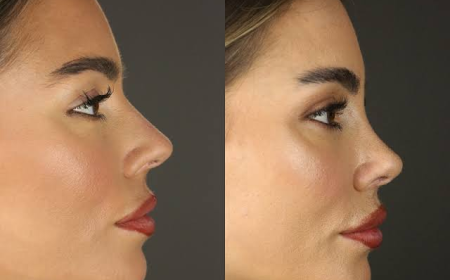
Changing the shape of the nose requires more than simply adjusting its external appearance. Different nasal features involve specific bone, cartilage, and soft tissue structures, which means the surgical approach must be selected according to individual requirements. Rhinoplasty in Dubai (تجميل الأنف في دبي) involves several techniques designed to address different aesthetic and functional concerns.
Some individuals want to refine a rounded nasal tip, while others wish to correct a prominent bridge or improve nasal alignment. Understanding the available approaches provides a clearer idea of how nose reshaping works and why one technique may be more appropriate than another.
Why Are Different Rhinoplasty Techniques Used?
Every nose has a unique anatomical structure. The location of the concern, cartilage strength, skin thickness, and extent of the required correction influence the surgical method.
For example, a small adjustment to the nasal tip may require a different approach from extensive reshaping involving the nasal bridge and internal structures.
The overall objective is to achieve the intended changes while maintaining nasal support and preserving proper breathing function.
Open Rhinoplasty Technique
Open rhinoplasty is commonly considered when greater visibility of the underlying nasal structures is required.
The approach involves small incisions inside the nostrils and an additional incision across the columella, the tissue separating the nostrils. This allows the nasal skin to be carefully lifted so the underlying bone and cartilage can be assessed directly.
Open rhinoplasty may be useful for complex tip modifications, significant structural adjustments, and certain revision procedures.
One consideration is that the external incision requires healing, although the resulting scar is generally small and often becomes less noticeable over time.
Closed Rhinoplasty Technique
Closed rhinoplasty uses incisions placed entirely inside the nostrils. This means there is no external incision across the columella.
The technique may be suitable for selected nasal modifications where the required changes can be performed through internal access.
Depending on the individual's anatomy and treatment goals, it can be used to address certain bridge irregularities and other structural concerns.
The main limitation is that access and visibility may be more restricted compared with the open approach. Its suitability depends on the complexity of the planned correction.
Tip Plasty for Nasal Tip Refinement
Tip plasty focuses specifically on modifying the appearance and structure of the nasal tip.
Some individuals have a rounded, broad, uneven, or downward-facing tip that they want to refine. The procedure may involve adjusting the underlying cartilage to improve definition, projection, or rotation.
Skin thickness is particularly important because it affects how clearly the refined cartilage structure becomes visible.
Although tip-focused surgery can address specific concerns, maintaining adequate support is essential for a stable and natural-looking result.
Septorhinoplasty for Structural and Aesthetic Concerns
Septorhinoplasty combines nasal reshaping with correction of the nasal septum when both aesthetic and functional concerns are present.
The septum is the internal wall separating the two nasal passages. When it is significantly deviated, it may contribute to restricted airflow or nasal obstruction.
Combining structural correction with external reshaping may be appropriate in selected cases. However, the treatment plan depends on the cause of the breathing difficulty and the individual's nasal anatomy.
Revision Rhinoplasty for Previous Surgical Changes
Revision rhinoplasty is performed when someone requires additional correction following an earlier nose surgery.
Reasons may include persistent asymmetry, structural irregularities, breathing difficulties, or dissatisfaction with the previous outcome.
These procedures can be more complex because the existing anatomy may have changed through earlier surgery. Scar tissue, reduced cartilage availability, and altered structural support can influence the available techniques.
A detailed assessment is important before considering further surgery.
How Is the Right Technique Selected?
Choosing a suitable technique involves evaluating several anatomical and personal factors.
The nasal bridge, tip, nostrils, septum, cartilage strength, and skin characteristics all influence the decision. The complexity of the desired changes is equally important.
Personal preferences also matter, but the selected approach must remain realistic and appropriate for the individual's anatomy.
A comprehensive discussion should explain the expected improvements, possible limitations, recovery requirements, and potential complications before surgery.
Comparing the Main Rhinoplasty Techniques
Open rhinoplasty provides greater direct visibility of nasal structures and may be useful for complex corrections. Closed rhinoplasty avoids an external columellar incision and may suit selected modifications. Tip plasty concentrates on the lower portion of the nose, while septorhinoplasty addresses combined external and internal structural concerns. Revision rhinoplasty focuses on correcting or improving changes from previous surgery.
These approaches are not interchangeable in every situation. The most appropriate method depends on the specific nasal concerns and the extent of correction required.
Recovery Differences Between Techniques
Recovery experiences vary according to the surgical approach and complexity of the procedure.
Temporary swelling, bruising, congestion, and tenderness may occur after surgery. Individuals undergoing more extensive structural modifications may require additional healing time.
The nasal tip can remain swollen longer than the bridge, and the final appearance develops gradually. Following aftercare instructions and avoiding accidental pressure on the nose are important throughout recovery.
Understanding the Risks and Limitations
All surgical approaches involve potential risks. These may include bleeding, infection, scarring, breathing changes, asymmetry, persistent swelling, or an outcome that does not fully match expectations.
The choice of technique cannot eliminate every risk. Understanding the possible complications and discussing them during the preoperative assessment is an important part of informed decision-making.
Final Thoughts
Different rhinoplasty techniques are designed to address specific nasal structures and treatment goals. Rhinoplasty in Dubai involves selecting an appropriate approach based on anatomy, desired refinements, functional requirements, and realistic expectations. Learning about these methods can help individuals understand their options, and TAJMEELS DUBAI عيادة تجميل can be a starting point for exploring the considerations involved in nose reshaping.

Provide health services











Comments (0)