

Rhinoplasty in Dubai: Types of Nose Surgery
Explore the different types of Rhinoplasty in Dubai, including open, closed, cosmetic, functional, and revision nose surgery, and understand their purposes.
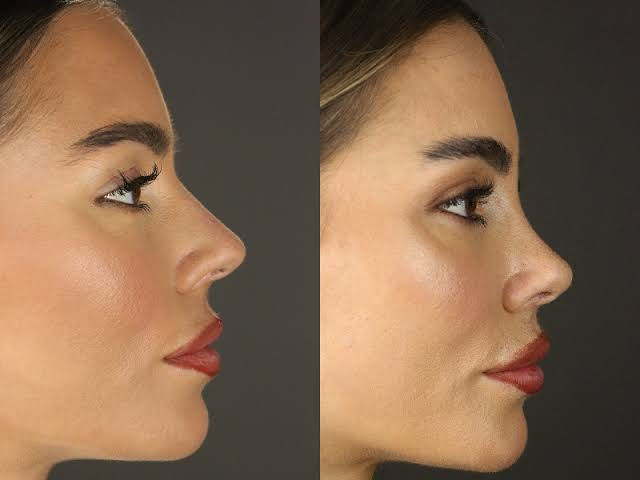
Nose reshaping is not a one-size-fits-all procedure. People have different nasal structures, aesthetic preferences, and functional concerns, which means the surgical approach must be selected according to individual requirements. Rhinoplasty in Dubai (تجميل الأنف في دبي) includes several techniques designed to address specific features of the nose.
Some approaches focus on external appearance, while others concentrate on internal structures that influence breathing. Understanding the available types of nose surgery can help individuals learn which options may be relevant to their concerns.
Open Rhinoplasty
Open rhinoplasty is a surgical technique that involves a small incision across the columella, the tissue separating the nostrils. Additional incisions are generally placed inside the nose.
This approach allows the underlying nasal framework to be viewed directly, making it useful for procedures that require detailed structural modifications.
Open rhinoplasty may be considered for significant nasal reshaping, complex tip refinement, structural reconstruction, or certain revision procedures. The technique offers greater visibility but may involve some additional initial swelling during recovery.
Closed Rhinoplasty
Closed rhinoplasty involves incisions made entirely inside the nostrils. Because there is no external incision across the columella, the technique avoids a visible external surgical scar.
It may be suitable for selected nasal modifications that can be performed through an internal approach. Depending on the individual's anatomy, adjustments may involve the nasal bridge or other accessible structures.
The choice between open and closed rhinoplasty depends on the required changes, surgical complexity, and the ability to achieve the planned result safely.
Cosmetic Rhinoplasty
Cosmetic rhinoplasty focuses on improving the external appearance of the nose. Individuals may consider this approach when they are concerned about specific features that affect facial proportions.
Common aesthetic goals include reducing a prominent nasal hump, refining a rounded tip, adjusting nasal width, or improving the overall profile.
The aim is to create a balanced appearance that complements the person's natural facial structure.
Nasal Bridge Refinement
Bridge refinement involves modifying the upper portion of the nose to address a visible hump, uneven contour, or excessive width. The specific adjustments depend on the underlying bone and cartilage structure.
Nasal Tip Refinement
Tip refinement focuses on the lower part of the nose. Surgical modifications may improve definition, projection, rotation, or symmetry depending on individual requirements.
Functional Rhinoplasty
Functional rhinoplasty addresses structural concerns that may affect nasal airflow. The procedure may involve correcting abnormalities in the nasal framework to support better breathing.
Unlike purely cosmetic surgery, the main objective is to improve nasal function. In some cases, functional modifications can be combined with aesthetic adjustments during the same operation.
The appropriate treatment depends on identifying the specific cause of the breathing problem.
Septorhinoplasty
Septorhinoplasty combines external nasal reshaping with correction of the nasal septum. The septum is the internal wall that separates the two nasal passages.
A deviated septum may contribute to restricted airflow, nasal congestion, or uneven internal passageways. When appropriate, correcting the septum alongside external reshaping can address both functional and aesthetic concerns.
Not everyone considering rhinoplasty requires septal correction. The decision depends on the individual's nasal structure and symptoms.
Revision Rhinoplasty
Revision rhinoplasty is performed when someone has already undergone nose surgery but requires additional correction.
Reasons may include persistent asymmetry, unsatisfactory aesthetic changes, structural weakness, or breathing difficulties following an earlier procedure.
Revision surgery can be more complex because previous operations may have altered the natural cartilage framework or created internal scar tissue. In some cases, additional cartilage support may be required.
A careful evaluation of the existing nasal structure is particularly important before considering another procedure.
Ethnic Rhinoplasty
Ethnic rhinoplasty considers the distinctive anatomical characteristics associated with different nasal structures and individual backgrounds.
Some individuals may want to refine certain features while maintaining characteristics that contribute to their natural appearance. These goals may involve adjusting the bridge, tip, or nostril shape.
The treatment approach should respect individual preferences and anatomical differences rather than applying a standardised nasal shape.
Reconstructive Rhinoplasty
Reconstructive rhinoplasty focuses on restoring nasal structure after injury, previous surgery, or certain medical conditions.
Depending on the extent of structural damage, the procedure may involve rebuilding cartilage support, correcting deformities, or restoring the external nasal framework.
The complexity of reconstruction varies according to the amount of existing tissue damage and the structural support available.
How to Choose the Appropriate Rhinoplasty Technique
Selecting a suitable technique requires an understanding of the individual's nasal anatomy and desired outcome. Factors such as skin thickness, cartilage strength, nasal bone structure, previous procedures, and functional concerns all influence surgical planning.
A detailed assessment can help establish whether an open, closed, cosmetic, functional, or combined approach is appropriate.
It is equally important to discuss recovery expectations, possible complications, and the limitations of each technique before making a decision.
Final Thoughts
Different nose surgery techniques serve different purposes, from subtle cosmetic refinement to functional correction and complex structural reconstruction. Understanding these approaches makes it easier to explore the possibilities of Rhinoplasty in Dubai with realistic expectations. TAJMEELS DUBAI عيادة تجميل provides an opportunity to learn about nose reshaping options and consider an approach that reflects individual nasal anatomy and personal goals.

Provide health services









Comments (0)