

Gynaecomastia Surgery in Dubai for Chest Fat
Discover how Gynaecomastia Surgery in Dubai can address excess male chest fat, improve upper-body proportions, and create a flatter, more defined chest appearance.
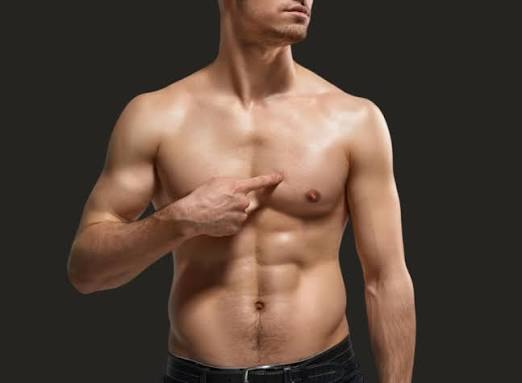
Excess fullness around the male chest can make the upper body appear heavier and less defined. Some men notice that their chest remains rounded even after improving their diet and maintaining an active lifestyle. This can happen when fatty deposits or developed glandular tissue contribute to breast enlargement.
Gynaecomastia Surgery in Dubai offers different surgical approaches to address unwanted chest fullness. Understanding the difference between excess fat and glandular breast tissue is essential when deciding which treatment may be appropriate.
Why Does Excess Chest Fat Develop in Men?
Male chest fullness can develop for several reasons. Weight gain is a common contributing factor because the body may store additional fat around the chest, abdomen, and other areas.
Hormonal changes can also influence breast tissue development. When glandular tissue grows alongside fatty deposits, the chest may become more prominent than ordinary fat accumulation would cause.
Ageing, certain medications, and underlying health conditions may also contribute to changes in male chest appearance.
Difference Between Chest Fat and Gynaecomastia
Although both conditions can create a rounded chest, they involve different types of tissue.
Chest fat, sometimes called pseudogynaecomastia, develops when fatty deposits accumulate around the pectoral area. It may change with overall body weight and can sometimes improve through weight management.
True gynaecomastia involves the development of glandular breast tissue, often creating a firmer area beneath the nipple. This tissue generally does not disappear through exercise or dieting.
Some men experience both conditions simultaneously, making an accurate assessment important before selecting a treatment approach.
How Gynaecomastia Surgery in Dubai Addresses Chest Fullness
The procedure focuses on removing unwanted tissue and improving the natural shape of the male chest. The technique depends on whether fatty deposits, glandular development, or both are responsible for the enlargement.
Liposuction for Fat Removal
Liposuction may be suitable when excess fatty tissue is the main concern. Small incisions are used to introduce a cannula that breaks up and removes unwanted fat.
This technique can reduce chest volume and improve the transition between the chest and surrounding upper-body areas.
Surgical Removal of Breast Glands
When enlarged glandular tissue is present, direct excision may be necessary. This allows the removal of firm tissue that cannot be effectively addressed through fat removal alone.
Combining Both Methods
Men with mixed tissue enlargement may benefit from a combination of liposuction and glandular excision. This approach addresses different sources of chest fullness while helping create a more proportionate appearance.
Can Exercise Eliminate Male Chest Fat?
Exercise can improve overall fitness, strengthen the pectoral muscles, and support healthy body composition. However, it cannot specifically target fat in one particular area.
Push-ups, chest presses, and other strength-training exercises can develop the underlying chest muscles, but they do not directly remove glandular breast tissue.
If chest enlargement persists despite maintaining a stable weight and regular exercise routine, an assessment can help identify whether surgical treatment may be appropriate.
Who May Benefit From Chest Reduction?
Men with persistent chest fullness may consider treatment when excess fat or glandular tissue affects their desired appearance.
Individuals with stable body weight, suitable general health, and realistic expectations may be potential candidates. Those experiencing unexplained or sudden breast enlargement should first undergo medical evaluation to identify the cause.
The treatment plan should reflect the individual's chest structure rather than relying on a standard surgical technique.
What Is the Recovery Process Like?
After Gynaecomastia Surgery in Dubai, some swelling, bruising, and tenderness are expected. These effects gradually improve as the body heals.
A compression garment may be recommended to support the treated area and help control swelling. Physical activities should be resumed gradually, following the postoperative instructions.
The chest may initially appear swollen or uneven during healing. The improved contour becomes more noticeable as the swelling settles over the following weeks and months.
Maintaining a More Defined Chest
Maintaining a stable body weight is important for preserving the results of male chest reduction. A balanced diet, regular physical activity, and healthy daily habits can support overall body composition.
Although removed glandular tissue is not expected to return in the same way, remaining fat cells can enlarge with significant weight gain. Hormonal changes and certain medications may also influence chest appearance.
Final Thoughts
Excess chest fullness can have different causes, which is why identifying the type of tissue involved is an important part of choosing an appropriate treatment. Gynaecomastia Surgery in Dubai can address unwanted fatty deposits and developed breast tissue through techniques tailored to individual chest characteristics. TAJMEELS CLINIC provides an opportunity to explore male chest reduction options and understand how personalised treatment planning can support a flatter, more balanced appearance.
For More Details, Contact Us Through:
WhatsApp: +971 56 203 8751
Phone: +971 4 373 9000
Social Media:

Provide health services









Comments (0)