

Indian Food Delivery London: From Slow-Cooked Gravies to Freshly Prepared Quick Meals
Explore Indian Food Delivery London and discover how traditional slow-cooked gravies, fresh preparation and authentic flavours meet modern dining needs with Mr Mughlai London.

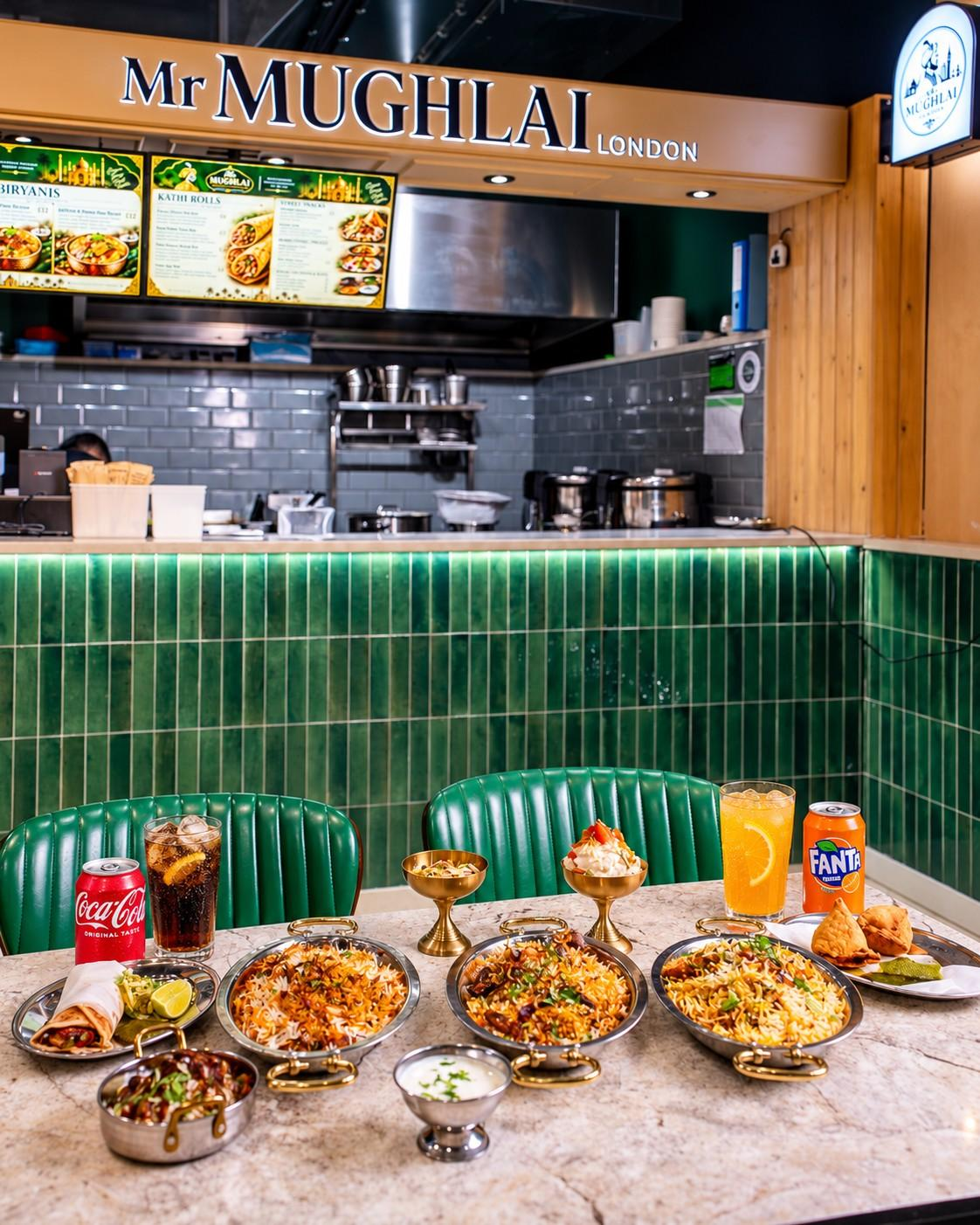
London's food culture continues to evolve as residents look for convenient dining experiences that fit around their busy lifestyles. From professionals working long hours to families enjoying meals at home, food delivery has become an important part of everyday dining. However, convenience alone is not enough to create a satisfying experience. Customers also value freshness, authentic flavours, reliable preparation and careful handling. This is where Indian Food Delivery London connects traditional cooking practices with the expectations of modern urban living.
Indian cuisine has a distinctive relationship with time and preparation. Traditional cooking often involves developing flavours gradually, balancing spices and maintaining the right cooking conditions. Modern food delivery introduces another consideration: bringing that freshly prepared experience to customers without unnecessary delays. Combining these two approaches requires thoughtful kitchen management and a strong understanding of food quality.
The Changing Landscape of Indian Food Delivery in London
London is home to people from different cultural backgrounds, and its dining preferences reflect this diversity. Indian cuisine has become an established part of the city's food culture, with customers appreciating its culinary traditions, regional influences and distinctive flavour combinations.
The growth of digital ordering has also changed how people access everyday meals. Customers can explore menus, communicate dietary requirements and arrange collection or delivery without visiting a physical location.
According to the Food Standards Agency's Food and You 2 research, 60% of respondents in an earlier survey wave reported eating takeaway food ordered directly or through an online delivery company during the previous four weeks. The research demonstrates how takeaway dining has become a familiar part of food consumption across England, Wales and Northern Ireland.
For London customers, the appeal is straightforward: delivery offers flexibility while allowing people to enjoy different culinary experiences within their own schedules.
The Importance of Slow Cooking in Traditional Indian Cuisine
Slow cooking has an important place in Indian culinary traditions. It allows ingredients, seasonings and cooking liquids to develop together gradually, creating depth and balance.
Unlike preparation methods focused entirely on speed, slow cooking requires attention to temperature, timing and consistency. The process allows flavours to develop naturally while helping chefs maintain the intended texture and character of a preparation.
Several principles contribute to effective slow cooking:
-
Maintaining controlled cooking temperatures.
-
Allowing sufficient preparation and cooking time.
-
Balancing spices and aromatic ingredients.
-
Monitoring moisture and consistency.
-
Following established preparation techniques.
-
Maintaining appropriate food hygiene throughout the process.
Traditional cooking methods demonstrate that good food preparation cannot always be rushed. Even in a modern delivery environment, preserving the essential characteristics of Indian cuisine requires respect for these techniques.
How Fresh Preparation Supports Modern Food Delivery
While some cooking processes require additional time, other stages can be organised to support efficient service. Fresh preparation is an important part of this approach because it helps kitchens maintain consistency without unnecessarily delaying orders.
A well-managed kitchen plans ingredient preparation, organises workstations and establishes clear responsibilities among staff. This makes it easier to manage incoming orders while maintaining appropriate standards.
For businesses involved in Indian Food Delivery London, freshness should be considered throughout the preparation and service process.
Important considerations include:
-
Using ingredients that have been stored appropriately.
-
Following hygienic preparation practices.
-
Avoiding unnecessary delays between preparation and service.
-
Maintaining suitable cooking and holding temperatures.
-
Using clean equipment and preparation surfaces.
-
Checking orders carefully before dispatch.
Freshness is not simply about how recently food was prepared. It also depends on ingredient quality, storage conditions, preparation methods and responsible handling.
Balancing Traditional Flavours with Faster Service
One of the biggest challenges in modern Indian food delivery is maintaining traditional flavour while providing an efficient service.
Indian cooking often involves multiple preparation stages. Some ingredients require individual preparation, while others need to be combined carefully to achieve the intended balance. An organised kitchen can manage these stages without compromising the character of the cuisine.
The solution is not to rush every preparation. Instead, businesses can improve efficiency through structured workflows and advance planning.
For example, preparation schedules can help staff organise ingredients, cooking stations and order priorities. Standardised recipes can support consistency, while careful quality checks help maintain the expected result.
The relationship between speed and flavour becomes more effective when efficiency comes from planning rather than shortcuts.
Food Safety and Packaging: Essential Parts of Delivery Quality
A successful delivery experience depends on more than the quality of food leaving the kitchen. Safe transportation, suitable packaging and clear customer communication are equally important.
The UK Food Standards Agency identifies four essential food hygiene principles: cleaning, cooking, chilling and avoiding cross-contamination. These principles remain relevant throughout takeaway preparation and delivery.
Food businesses should also consider the following practices:
-
Select appropriate food-grade packaging.
-
Use secure containers to minimise leakage.
-
Maintain suitable temperatures during transportation.
-
Keep food protected from contamination.
-
Separate orders where allergen cross-contact is a concern.
-
Provide accurate allergen information before purchase and at delivery.
According to the Food Standards Agency's official guidance, businesses selling food online or by telephone must provide relevant allergen information before the purchase is completed and again when the food is delivered.
These requirements demonstrate why responsible delivery management is an essential part of customer service.
What Makes Indian Food Delivery London a Quality Experience?
Customers often judge a delivery experience through several connected factors. The convenience of ordering may attract attention initially, but preparation quality and reliability influence the overall impression.
A quality-focused approach should consider five important areas.
1. Freshness: Ingredients should be stored and handled correctly, with preparation organised to support quality.
2. Flavour consistency: Established cooking methods and balanced seasoning help maintain a dependable culinary experience.
3. Efficient service: Clear kitchen workflows can reduce unnecessary waiting and improve order management.
4. Responsible handling: Hygiene, temperature control and appropriate packaging help protect food during transportation.
5. Customer communication: Clear information about ordering, delivery expectations and allergens helps customers make informed decisions.
These elements work together to create a more complete experience. Convenience becomes more meaningful when supported by careful preparation and dependable service.
How London Lifestyles Influence Delivery Preferences
The daily routines of London residents are varied. Some people work in offices, others operate remotely, while many balance family responsibilities, education and commuting.
This diversity creates different reasons for choosing food delivery.
For professionals, delivery can provide flexibility during a demanding working day. For families, it can simplify meal planning when schedules become busy. For people spending time at home, it offers an opportunity to enjoy familiar culinary traditions without travelling.
Central London presents a particularly interesting environment because residents, employees, visitors and international communities contribute to its changing food culture.
Businesses serving this area need to understand that customers are not simply looking for convenience. They also appreciate reliability, clear communication and food that reflects thoughtful preparation.
The Role of Customer Trust in Modern Food Delivery
Trust is an important part of the relationship between food businesses and customers. People want confidence that their orders have been prepared hygienically, handled appropriately and delivered with attention to quality.
Food safety information, transparent allergen communication and consistent service can help strengthen this relationship.
The Food Standards Agency's Food and You 2 Wave 11 research, published in 2026, surveyed 5,898 adults across England, Wales and Northern Ireland. Its findings provide an important perspective on consumer food knowledge, attitudes and behaviours.
The research reinforces the importance of food safety awareness and informed food choices in everyday life.
For delivery businesses, customer trust should be developed through responsible practices rather than promotional claims. Maintaining standards consistently is more valuable than making unsupported promises.
The Future of Indian Food Delivery in London
The future of Indian food delivery will depend on how effectively businesses combine culinary heritage with modern expectations.
Technology can make ordering and communication more convenient, while organised preparation systems can support efficient kitchen operations. At the same time, traditional cooking knowledge remains important for preserving flavour and culinary identity.
Sustainable packaging choices, responsible ingredient management, improved order coordination and better customer communication can also contribute to a more considered delivery experience.
For London's diverse dining community, the opportunity lies in making traditional cuisine accessible through modern service methods without losing the qualities that make it distinctive.
Conclusion
The relationship between slow-cooked traditional preparations and freshly prepared quick meals highlights how Indian cuisine can adapt to modern lifestyles. Efficient delivery does not need to mean sacrificing flavour, freshness or responsible food preparation.
The growing importance of Indian Food Delivery London reflects customers' interest in combining convenience with culinary quality. Through organised kitchens, careful ingredient handling, traditional cooking principles and reliable delivery practices, food businesses can create experiences that suit the changing needs of London residents.
Mr Mughlai London brings Mughlai culinary heritage to the Edgware Road area of Tyburnia, combining traditional influences with a contemporary approach to London's dining culture.
Connect with Mr Mughlai London
-
Business Name: Mr Mughlai London
-
Address: 145-147 Edgware Road, Tyburnia, London, W2 2HR
-
Mobile Number: +44 7700 012345
-
Email Address: [email protected]











Comments (0)