

What Are KLOW Blend Peptides? Benefits, Studies, and Key Facts
KLOW blend peptides are marketed as a combination of GHK-Cu, BPC-157, TB-500, and KPV, with each ingredient having a separate research background.

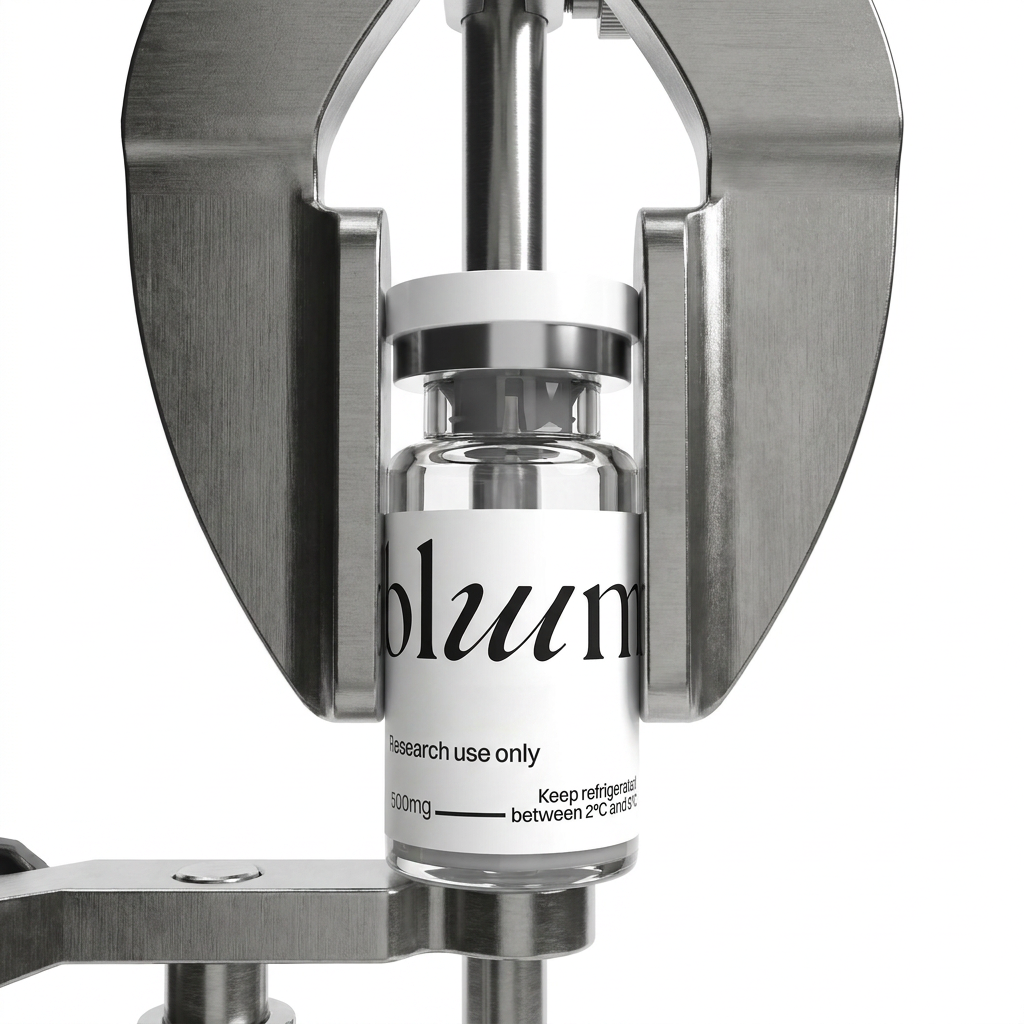
Peptide research has attracted growing attention in recent years as scientists continue exploring the role of short amino acid chains in different biological processes. These molecules are investigated in areas such as cellular communication, tissue biology, metabolic activity, and inflammatory signaling. Among the products receiving interest in the research chemical market are KLOW blend peptides which combine several peptide compounds into one formulation. Understanding their composition, research background, and potential limitations is important when evaluating these products. A scientific approach helps distinguish established findings from commercial claims and provides a clearer understanding of what current research actually demonstrates.
KLOW blend peptides are generally marketed as a combination of GHK-Cu, BPC-157, TB-500, and KPV. Each component has a different molecular structure and an independent research history. Their combination has generated interest because the individual compounds have been investigated in different areas of biological science. However, combining several peptides does not automatically establish that they produce complementary or enhanced effects. Researchers must examine the individual ingredients, formulation details, analytical quality, and available scientific evidence before drawing meaningful conclusions.
Understanding KLOW Blend Peptides and Their Composition
KLOW blend peptides are commercially marketed multi-component formulations containing several distinct peptide compounds. A commonly advertised formulation includes GHK-Cu, BPC-157, TB-500, and KPV, although the exact quantities and specifications may vary between suppliers. Some products advertise a combined total of 80 mg, but this should not be treated as a universal formulation standard. Researchers should always review the actual ingredient breakdown and batch-specific documentation rather than assuming that every product carrying the KLOW name has an identical composition.
One reason these formulations attract attention is the different research backgrounds of their individual ingredients. GHK-Cu has been investigated in relation to copper-associated cellular processes and skin biology. BPC-157 has primarily been examined in preclinical research involving gastrointestinal and tissue-related models. TB-500 is associated with thymosin beta-4-related research, while KPV has been investigated in experimental studies involving inflammatory signaling. These separate research interests provide context for the formulation without establishing the effectiveness of the combined product.
Understanding the composition is the first step toward evaluating a peptide blend responsibly. Researchers should identify each ingredient, its molecular characteristics, and its stated quantity within the formulation. They should also determine whether the supplier provides reliable analytical documentation for the individual components. Without these details, it becomes difficult to assess material quality or interpret experimental observations. Clear ingredient disclosure supports better research planning and helps laboratories maintain accurate records.
Research Background and Potential Benefits of Individual Components
GHK-Cu is a copper-binding tripeptide consisting of glycine, histidine, and lysine. It has been investigated in experimental research involving collagen-related processes, cellular signaling, and skin biology. Researchers have also examined its relationship with extracellular matrix remodeling and other biological activities. These investigations have contributed to scientific interest in the compound, particularly within cosmetic and biochemical research. Nevertheless, findings from individual studies should not be interpreted as proof that GHK-Cu produces specific clinical outcomes when included in a KLOW formulation.
BPC-157 is a synthetic peptide containing 15 amino acids that has received attention in preclinical investigations. Research has explored its potential involvement in experimental models related to gastrointestinal function, connective tissue, and other biological processes. Much of the available evidence comes from laboratory and animal studies rather than large, controlled human clinical trials. As a result, its proposed benefits remain insufficiently established for medical use. Researchers should distinguish preliminary experimental observations from clinically demonstrated effects.
TB-500 is a name associated with thymosin beta-4-related research materials. Thymosin beta-4 has been studied for its involvement in actin regulation, cellular movement, and tissue-related biological processes. However, researchers should verify the precise molecular identity of materials marketed as TB-500 because product terminology can vary. KPV is a short tripeptide made up of lysine, proline, and valine. It has attracted research interest because of experimental investigations into inflammatory signaling, although its clinical significance remains uncertain.
What Scientific Studies Reveal About KLOW Blend Peptides
One important point when reviewing KLOW is the difference between research on its individual ingredients and research on the complete formulation. Current published evidence does not establish that the four-component KLOW blend has been tested as a complete combination in controlled human or animal studies. This means there is no established clinical evidence demonstrating its combined effects, safety profile, or effectiveness. Researchers should avoid assuming that findings involving separate ingredients automatically apply to the finished blend.
Studies involving GHK-Cu have explored its relationship with collagen-related processes and cellular activity. BPC-157 research has primarily involved animal models examining different biological processes, while thymosin beta-4 research has investigated cellular movement and tissue-related mechanisms. KPV has been examined in laboratory and animal models involving inflammatory responses. Although these investigations provide useful scientific background, the quality and maturity of evidence differ considerably between compounds. More rigorous research is needed to establish their individual clinical significance and any possible combined effects.
Another important research consideration is the possibility of interactions between different ingredients. When multiple peptides are included in one formulation, researchers need to investigate whether their chemical properties remain stable and whether one component influences another. Analytical testing can help characterize the formulation, but it cannot independently demonstrate biological synergy. Controlled studies would be necessary to evaluate these questions properly. Until stronger evidence becomes available, claims about the combined benefits of KLOW should be considered unproven.
MOTS-C Peptide Buy: Understanding Its Research Applications
MOTS-c is another peptide attracting attention in metabolic and mitochondrial research. Unlike the components of KLOW, MOTS-c is a mitochondrial-derived peptide consisting of 16 amino acids encoded by the mitochondrial genome. Researchers have investigated its relationship with cellular energy regulation, metabolic stress responses, and glucose metabolism. Its biological characteristics make it an interesting subject for scientific studies examining communication between mitochondria and other cellular systems.
The search term mots-c peptide buy is increasingly associated with online research chemical listings and discussions about metabolic research. However, purchasing availability should not be confused with scientific validation or regulatory approval. The FDA has reviewed MOTS-c in the context of potential compounding and highlighted the lack of published human-use evidence and unresolved safety questions. The United States Anti-Doping Agency also identifies MOTS-c as a prohibited substance in competitive sports. These considerations are important when evaluating commercial descriptions and claims about the compound.
A 2023 review published in Frontiers in Endocrinology discussed the potential biological functions of MOTS-c and its relationship with metabolic regulation. The authors highlighted findings from experimental research while emphasizing the need for further investigation before clinical applications can be established. A 2024 systematic review also examined relationships between mitochondrial-derived peptides and metabolic conditions. Although these studies provide valuable scientific context, they do not establish MOTS-c as a proven treatment for metabolic disorders or weight management. Researchers should interpret preliminary findings carefully and distinguish experimental potential from demonstrated clinical benefits.
Quality Verification and Important Factors When Evaluating Peptide Materials
Quality verification is an essential part of responsible peptide research, particularly when evaluating multi-component formulations. Verified peptides are supported by analytical information that helps researchers assess molecular identity, purity, and relevant material characteristics. For a blend such as KLOW, verification should ideally address each individual ingredient rather than relying exclusively on a general purity statement. This distinction helps laboratories identify potential inconsistencies and maintain better control over experimental materials.
High-performance liquid chromatography (HPLC) is commonly used to separate compounds within a sample and examine their chromatographic profiles. Mass spectrometry provides complementary information that can help establish molecular identity and molecular mass. These methods serve different analytical purposes and should be selected according to the material being evaluated. Researchers should also consider whether additional testing is necessary to investigate residual solvents, impurities, or other contaminants. Appropriate analytical methods provide stronger evidence than unsupported supplier descriptions.
A Certificate of Analysis (COA) is another useful document when evaluating research materials. It should identify the relevant batch, describe the testing methods, and provide analytical results that correspond to the actual product. Researchers should check whether the certificate includes sufficient information about the individual peptide components and whether the laboratory conducting the analysis can be identified. Batch-specific documentation is especially valuable when comparing materials from different production periods. These quality-control practices improve traceability and support more consistent laboratory investigations.
Safety, Regulatory Considerations, and Responsible Research
Safety considerations should remain central when evaluating KLOW blend peptides or other experimental compounds. The fact that an ingredient has been investigated in laboratory studies does not establish that it is safe for human use. Similarly, a combination of individually researched substances cannot be assumed to have a predictable safety profile. The absence of comprehensive clinical evidence means that potential interactions, adverse effects, and long-term consequences remain uncertain.
Researchers should also understand the difference between research chemicals, compounded preparations, and approved medicines. A research-use-only label does not establish pharmaceutical quality or suitability for consumption. Compounded medications are not automatically FDA-approved, even when prepared by a licensed pharmacy under applicable requirements. Anyone evaluating peptide-related products should consider current regulatory requirements, appropriate professional oversight, and the limitations of available evidence. Commercial claims should never replace established scientific or medical standards.
Proper documentation and laboratory procedures are equally important. Researchers should maintain records of material identity, batch specifications, analytical findings, and relevant experimental conditions. Storage requirements should be based on suitable stability information for the specific formulation rather than generalized assumptions. Consistent recordkeeping makes it easier to investigate unexpected results and identify potential sources of experimental variation. These practices help strengthen research transparency and scientific reproducibility.
Conclusion
KLOW blend peptides are marketed as a combination of GHK-Cu, BPC-157, TB-500, and KPV, with each ingredient having a separate research background. Their individual biological characteristics explain the scientific interest surrounding the formulation, but they do not establish the effectiveness of the complete combination. Current evidence does not demonstrate proven clinical benefits or an established safety profile for KLOW as a blended product. Understanding this distinction is essential when evaluating scientific publications and commercial product descriptions.
MOTS-c represents a separate area of peptide research focused on mitochondrial biology and metabolic processes. Although both KLOW and MOTS-c attract attention in the broader research peptide market, their molecular characteristics and research applications are different. Analytical verification, reliable batch documentation, and careful interpretation of scientific findings remain important when evaluating either compound. Ultimately, responsible peptide research depends on transparent information, appropriate quality standards, and conclusions supported by credible scientific evidence.










Comments (0)