

How Should Consumers Evaluate Flavor and Strain Claims?
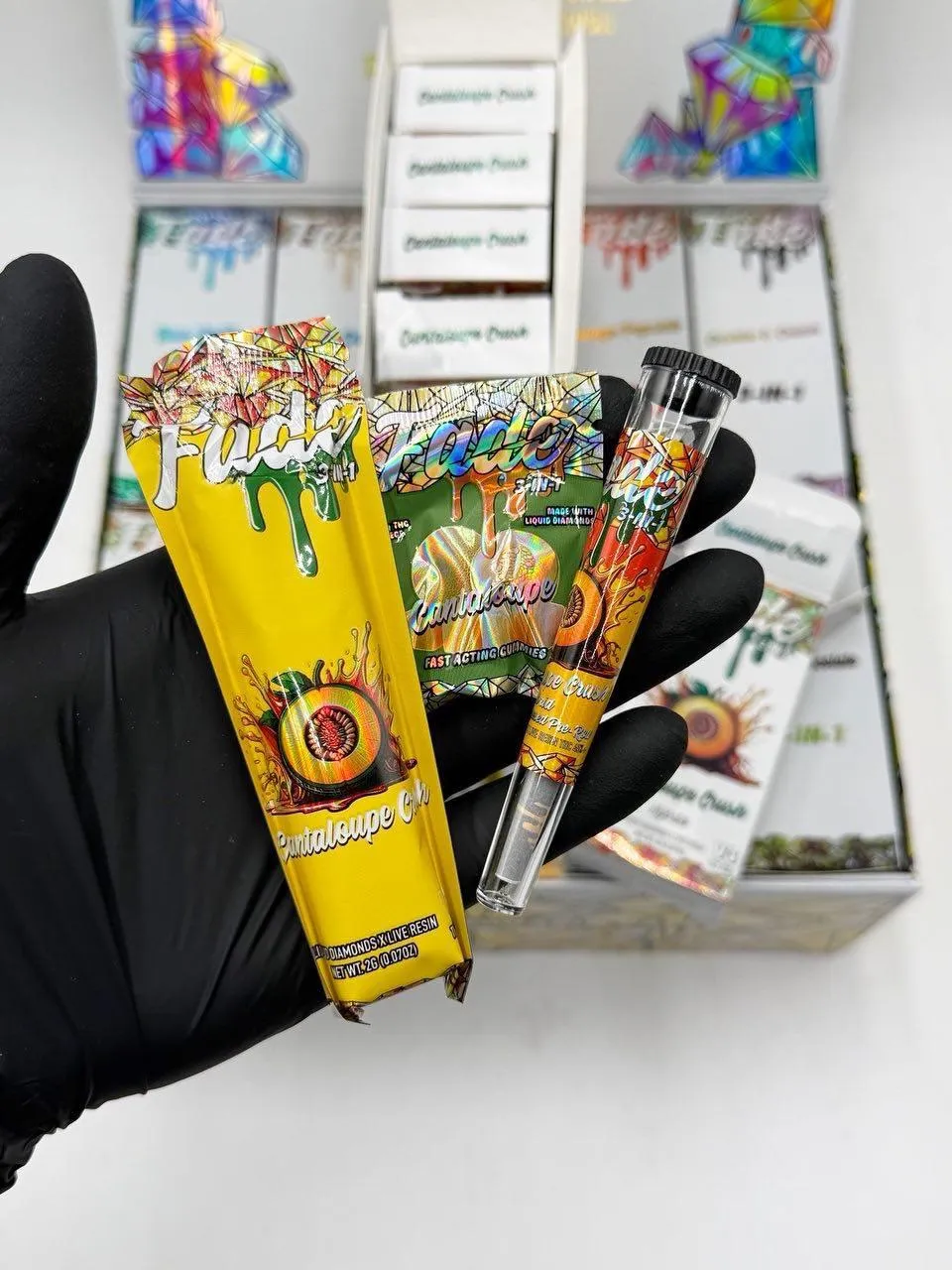
Did you know that the "Blueberry" or "Sour Diesel" label on your favorite vape might have nothing to do with the actual genetics of the plant? Many enthusiasts assume these names represent pure botanical lineage but the reality is often a mix of creative marketing and specific additive choices. Navigating the world of concentrates requires a sharp eye to distinguish between authentic profiles and artificial imitations.
When you browse a menu, you are looking for a specific effect or a distinct taste. The industry uses terms like "indica" or "sativa" as broad categories that do not always capture the chemical complexity of the liquid inside. You must look beyond the colorful packaging to understand what you are actually inhaling. Being an informed buyer is about recognizing the difference between a natural extract and a formula designed to mimic one.
Understanding Modern Flavor Profiles
Flavor in vapes usually comes from terpenes, which are aromatic compounds. Some manufacturers use botanical terpenes from fruit or lavender, while others use cannabis derived terpenes. The latter offers a more complex, earthy taste that mirrors the original flower. If a product tastes exactly like a grape soda, it likely uses food grade flavorings rather than plant extracts.
You should check if a brand provides a lab report or "COA" that lists the terpene breakdown. High quality options prioritize a full spectrum of these compounds to provide a balanced experience. Products like clean 2g disposable carts often emphasize purity in their formulation to ensure the taste remains consistent from the first puff to the last. Light colored oil is often a sign of thorough filtration and high quality ingredients.
Evaluating Strain Labels & Descriptions
Strain names are often more about "vibes" than strict science. A "Girl Scout Cookies" cart from one brand might feel different from another brand using the same name - this happens because "strains" in oil form are often reconstructions. Chemists mix distilled THC with specific terpene blends to recreate the feeling of a famous plant. You should focus on the specific cannabinoid percentages rather than just the catchy name on the box.
- Check the Cannabinoids Look for CBD, CBG or CBN levels alongside THC.
- Verify the Source Determine if the oil is live resin, rosin or distillate.
- Research the Terpene Mix Identify if the blend is intended for relaxation or energy.
Authentic strain claims are easier to trust when the company explains their extraction method. Live resin, for example, preserves the "spirit" of the plant - freezing it immediately after harvest - this process keeps the delicate flavors intact, providing a much closer match to the advertised strain than standard distillates.
The Role of Hardware in Your Experience
The device you choose is just as important as the oil inside it. Even the best terpene blend will taste burnt or metallic if the heating element is poor quality. Ceramic coils are currently the standard for maintaining flavor integrity because they heat the oil evenly without scorching the delicate compounds. If you want to know more about device types, you might ask what does a yart look like to understand the physical design of modern disposables.
Versatility is another factor to consider - Some modern devices allow you to switch between different oil tanks or even combine them. For instance, a fade 3n1 disposable offers a way to experience multiple profiles in one piece of hardware - this flexibility is great if you enjoy changing your flavor profile throughout the day without carrying multiple different pens.
Smart Habits for Verifying Product Quality
Always look for a QR code on the packaging - This code should link directly to a third party lab test - these tests are the only way to be sure the oil is free from heavy metals, pesticides or thinning agents like Vitamin E acetate. If a seller cannot provide the documents, the "premium" strain claims are likely false. Your health depends on this transparency.
- Scan the QR code for a recent batch date.
- Ensure the THC content matches the label.
- Check for "non-detected" results on harmful contaminants.
Pay attention to the price versus the claims - Real live resin and high end hardware are expensive to produce. If a deal seems too good to be true for a "top-shelf" strain, the manufacturer might be using synthetic additives or cheap fillers. Trustworthy brands are open about their process and welcome your questions about their ingredients.
FAQ
Why does my vape taste like perfume?
This usually happens when a manufacturer uses too many botanical terpenes or artificial food flavorings. High concentrations of these additives can create a floral or "chemical" aftertaste that is quite different from the natural flavor of cannabis.
Is a higher THC percentage always better?
No, a high THC percentage often means fewer terpenes and other cannabinoids - this results in a "flat" experience. A product with 75 % THC and a rich terpene profile often feels more potent and pleasant than one with 95 % THC and no flavor.
What is the difference between Live Resin & Distillate?
Distillate is a highly refined oil that is mostly pure THC, usually with added flavors. Live resin is made from frozen plants and contains the full range of natural compounds, offering a more "true-to-strain" flavor and effect.
Dark Web Market Supply is an online marketplace information platform focused on digital marketplace trends, online privacy, cybersecurity awareness, and the evolving world of internet commerce. Our goal is to provide visitors with an accessible place to explore marketplace information, understand digital services, and learn about the security considerations associated with online environments. By bringing relevant topics together in one centralized resource, we aim to make digital research more convenient, informative, and straightforward.








Comments (0)