

How Ads Cloaker Helps Identify Suspicious Ad Traffic
This article explains how Ads Cloaker and other traffic management solutions can help advertisers monitor incoming traffic, identify unusual activity, and assess traffic quality. It covers common signs of suspicious ad traffic including unexpected click spikes, repeated visits, low engagement, and differences between clicks and conversions. It also explains the difference between link cloaking and Google Ads cloaking , along with practical ways to improve campaign monitoring, conversion tracking, and landing page performance while following advertising policies.

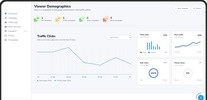
Advertising relies on accurate traffic data. Many visits to advertiser websites may come from automated bots, repeated clicks, or disinterested, low-value visitors. These visits may skew campaign results and make it difficult to analyse where advertising budgets are being spent.
Ads Cloaker is a term used to describe how advertisers organise, analyse, and evaluate the traffic they receive. Understanding traffic trends can help media buyers identify invalid traffic.
Traffic quality becomes more important when considering the value of incoming visitors. Simply put, traffic can be considered good or bad based on whether it leads to a conversion. Traffic can also be considered low quality if it is irrelevant and does not lead to meaningful landing page engagement.
Why Is Suspicious Ad Traffic a Problem for Advertisers?
Inaccurate or suspicious traffic can inflate advertising costs and compromise the validity of campaign data. It can be difficult for advertisers to identify which campaigns are producing useful results, leading to poor optimisation and unnecessary spending.
Let's say an advertiser runs a campaign to promote an online product. The campaign normally gets about 500 clicks a day and leads to a relatively stable number of enquiries. One day, the campaign gets 1,500 clicks but generates virtually the same number of enquiries as before.
There are several possible explanations for this increase. The advertiser's audience may be behaving differently, the ad placement may have changed, or the campaign may be experiencing increased automated activity. It could also be attracting a different and possibly lower-quality type of traffic.
Some signs worth investigating include:
-
Unexpected click increases: Traffic suddenly spikes without any improvement in conversions.
-
Repeated visits: There are repeated interactions from the same user or source within a short period.
-
Poor landing page engagement: Visitors arrive but show little interaction with the page.
-
Unusual geographic patterns: There are unexplained changes in the geographic locations of visitors.
-
Click-to-conversion differences: There are many clicks but very few, if any, completed conversions.
It is important to consider multiple traffic signals before assuming that a particular source is generating suspicious activity.
How Ads Cloaker Helps with Click Monitoring
Ads Cloaker and similar traffic management tools help advertisers understand incoming traffic activity. Depending on the platform and its available features, advertisers may be able to view visitor details, organize traffic sources, and establish filtering rules.
The goal of traffic monitoring is to help advertisers understand the quality of the visitors they receive. Advertisers should not base their decisions solely on the click counts shown in their advertising dashboards.
Here are some areas advertisers can examine:
Traffic Source Information
Looking at referral sources and campaign details can help identify where visitors come from. One source may produce a large amount of traffic but very few meaningful interactions, making it worth reviewing.
Click Frequency
Repeated interactions from similar sources, particularly when they happen in unusual or high-volume patterns, should be examined.
Visitor Activity
Session duration and the way visitors navigate a landing page can help advertisers understand how people engage with the page.
Traffic Filtering
Depending on the tool, advertisers may be able to create filtering rules to manage traffic that matches certain conditions.
Campaign Reporting
Comparing traffic activity with conversion data can help media buyers determine whether increased visitor numbers are resulting in meaningful actions.
For example, an affiliate marketer may notice plenty of clicks from a specific placement but very few registrations. Reviewing that placement alongside landing page analytics can help determine whether the issue comes from poor audience targeting, an unsuitable offer, or potentially suspicious traffic.
Link Cloaking
Link cloaking refers to changing the appearance of a destination URL. Affiliate marketers typically use link management and tracking links to organise campaign traffic and measure clicks.
Common uses of link management include:
-
Shortening long tracking URLs.
-
Organising affiliate campaign links.
-
Tracking click activity from different promotional sources.
-
Managing destination URLs for marketing campaigns.
Although traffic may be routed to the intended destination, cloaking can also be used to conceal prohibited marketing activity. Advertisers should understand the distinction and follow the terms and conditions set by advertising and affiliate platforms.
Google Ads Cloaking
Google Ads cloaking refers to the practice whereby an advertiser aims to display one page to Google's review systems and a different page to the end user. This is generally done to conceal prohibited activity or evade an advertising policy check.
This practice can violate Google Ads policies and may lead to ad disapproval or account suspension. Advertisers should not use cloaking to disguise marketing activity that violates advertising platform requirements.
|
Area |
Link Cloaking |
Google Ads Cloaking |
|
Main Function |
URL management and tracking |
Displaying different content or destinations |
|
Typical Application |
Affiliate links and campaign tracking |
Hiding the actual visitor experience |
|
Transparency |
Can be transparent |
Often involves misleading presentation |
|
Policy Concerns |
Depends on implementation. |
May violate advertising policies |
Understanding the differences between these approaches is useful when considering a traffic management solution. Tracking and monitoring should support a consistent and honest experience for both visitors and advertising reviewers.
Practical Ways to Enhance Advertising Traffic Quality
Using an Ads Cloaker or other traffic management solutions is just one aspect of campaign management. Reviewing analytics, audience targeting, landing page performance, and conversion tracking can be just as useful. Looking at different data sources can provide a clearer picture than relying on a single metric.
The following practices can be useful:
1. Compare Clicks with Conversions
Review clicks alongside conversions to assess whether there are significant differences. Large discrepancies may indicate an issue that needs further investigation.
2. Examine Campaign Sources
Look at ad placements, referral sources, geographic data, and other campaign reports to identify whether certain sources consistently bring low-quality visits.
3. Evaluate Landing Pages
Examine landing page speed, mobile usability, and page content to assess the visitor experience. Also, review whether there are too many steps for users to complete a desired action. Address these issues before concluding that traffic quality is poor.
4. Test Conversion Tracking
Campaign effectiveness can suffer if conversion tracking settings are configured incorrectly. Test your conversion goals and check that important conversion events are being recorded correctly.
5. Investigate Unusual Traffic Patterns Carefully
One unusual metric alone is not enough reason to block visitors. Examine multiple traffic signals, analyse the available data, and keep track of any filtering changes to understand their impact.
The goal of these steps is to help advertisers evaluate campaign data rather than make decisions based on assumptions.
Conclusion
Managing advertising traffic involves more than generating clicks. Advertisers also need to understand visitor sources, engagement levels, and the relationship between traffic and conversions. Ads cloak and similar traffic management solutions can support this process when used for legitimate traffic monitoring and analysis.
The quality of advertising traffic can be evaluated by combining accurate conversion tracking, relevant audience targeting, effective landing pages, and other traffic quality signals. Reviewing these areas regularly can help advertisers understand campaign performance and manage their advertising budgets more effectively.
Frequently Asked Questions
1. How Can Advertisers Recognise Suspicious Ad Traffic?
Increases in ad clicks with little or no engagement, unexpected or repeated interactions, traffic from unusual sources, and substantial differences between clicks and conversions can all indicate suspicious or potentially fraudulent traffic.
2. Does Google Ads Allow Cloaking?
Google Ads does not allow advertisers to deceive its review systems by showing different content from what regular users see to circumvent advertising policies. Advertisers should use transparent tracking methods and provide a consistent landing page experience










Comments (0)