

Mid-Century Modern Furniture: A Beginner's Guide to Iconic Design Styles
Proper maintenance is essential for keeping mid-century furniture attractive and functional over time. Wooden surfaces should be cleaned with suitable products and soft cloths to prevent scratches and unnecessary wear.

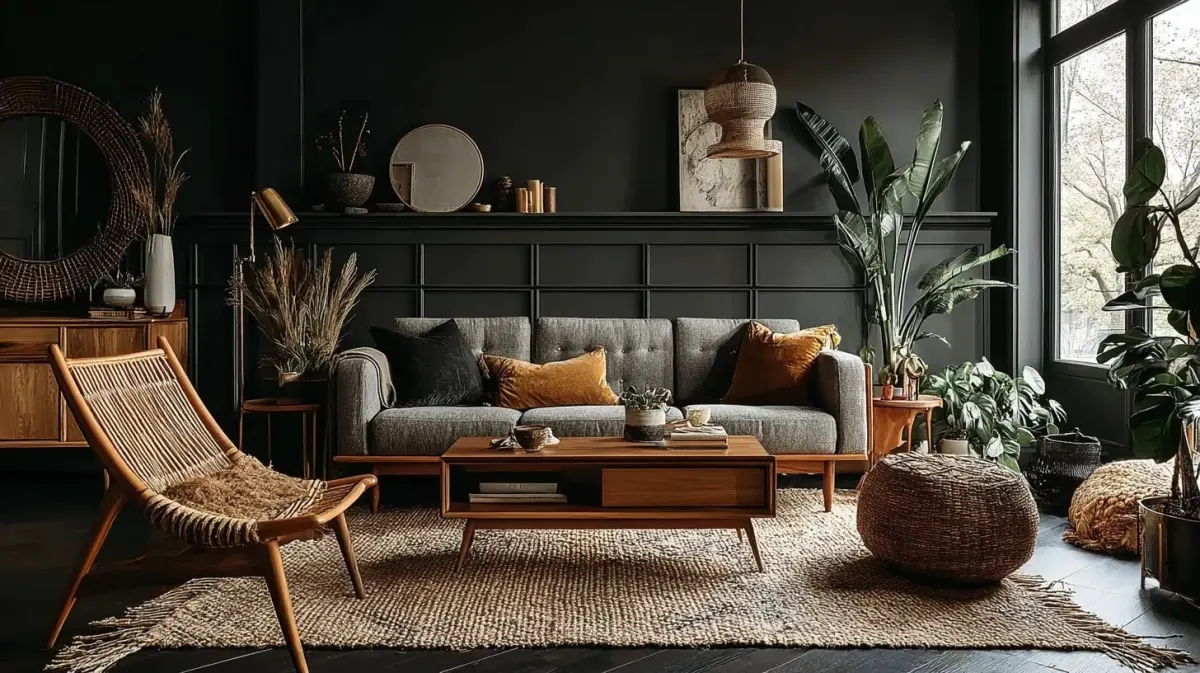
Mid-century modern furniture has remained one of the most recognizable and admired interior design styles for decades. Known for its clean lines, functional shapes, natural materials, and timeless appeal, this design movement continues to influence modern homes. Whether you are decorating a new apartment, updating your living room, or searching for distinctive vintage pieces, understanding this style can help you make better furniture choices. Its combination of simplicity and character creates interiors that feel welcoming without appearing overcrowded. For beginners, exploring mid-century modern furniture is an excellent way to discover how thoughtful design can balance beauty, comfort, and everyday practicality.
Understanding the History of Mid-Century Modern Furniture
Mid-century modern design became popular during the middle of the twentieth century, particularly from the 1940s through the 1960s. This period brought significant changes to architecture, manufacturing, and interior design. Designers began moving away from heavily decorated furniture and embraced simpler forms that reflected changing lifestyles. The goal was to create attractive, practical pieces that could fit comfortably into modern homes. New manufacturing techniques also made it possible to experiment with different shapes, materials, and construction methods.
The movement was influenced by European modernist design, Scandinavian craftsmanship, and the growing interest in functional living spaces. Designers such as Charles and Ray Eames, George Nelson, and Hans Wegner helped establish the visual language associated with this period. Their work demonstrated that furniture could be comfortable, visually interesting, and useful at the same time. Rather than relying on excessive decoration, these designers focused on proportions, materials, and thoughtful construction. Their influence remains visible in contemporary furniture collections and vintage-inspired interiors.
Another important feature of this period was the increasing availability of furniture for everyday households. Manufacturers explored affordable materials and efficient production methods while maintaining an emphasis on quality and appearance. As homes became more open and connected, furniture also evolved to support flexible living arrangements. Chairs, tables, cabinets, and storage units were designed to complement one another without requiring a perfectly matching furniture set. This practical approach helped establish a design style that continues to feel relevant today.
Key Characteristics That Define the Mid-Century Modern Style
One of the easiest ways to recognize mid-century modern furniture is through its clean lines and uncomplicated shapes. Furniture from this design movement often features straight edges, gentle curves, tapered legs, and balanced proportions. Instead of complicated carvings or decorative details, the focus remains on the natural beauty of the furniture's structure. These characteristics make individual pieces visually distinctive without overwhelming the surrounding space. They also allow homeowners to combine different furniture styles while maintaining a cohesive interior.
Natural materials play an equally important role in creating an authentic mid-century modern appearance. Teak, walnut, oak, and rosewood are commonly associated with vintage furniture from this period. Their warm colors and distinctive grain patterns add depth and character to interior spaces. Wood is frequently combined with metal, glass, leather, and molded materials to create interesting contrasts. These combinations provide visual variety while preserving the simple and functional appearance that defines the movement.
Color is another element that contributes to this design style. Warm wood tones often serve as the foundation, while mustard yellow, olive green, burnt orange, teal, and muted blue introduce personality. Neutral shades such as cream, white, beige, and gray help maintain balance. Rather than using too many competing colors, successful interiors usually combine a few complementary shades. This approach creates an inviting atmosphere while allowing statement furniture pieces to become the main attraction.
Exploring Mid-Century Dining Furniture and Its Timeless Appeal
The dining area is an excellent place to introduce mid-century design because furniture from this period combines practical construction with distinctive visual details. Mid-century dining furniture often features streamlined tables, sculptural chairs, slender legs, and natural wood finishes. These characteristics make dining spaces feel sophisticated without requiring elaborate decoration. A carefully selected dining table can become the central feature of the room while providing a comfortable place for family meals and social gatherings.
When selecting a dining table, consider its shape, dimensions, and material. Rectangular tables are suitable for larger dining rooms and can accommodate several people, while round tables work particularly well in smaller spaces. Oval designs offer a softer appearance and can make movement around the dining area easier. Walnut and teak finishes are popular choices because their warm tones complement many interior color schemes. Before purchasing, measure the available floor space and ensure there is enough room for chairs to move comfortably.
Dining chairs are equally important when creating a balanced arrangement. Classic mid-century designs often feature curved backrests, upholstered seats, wooden frames, and tapered legs. Some styles incorporate molded seats or woven materials for additional texture and comfort. You do not necessarily need identical chairs to achieve an attractive result. Combining different seating designs within a consistent color palette can create a more relaxed and personalized dining environment. The most important consideration is choosing chairs that provide suitable support and complement the dining table.
Lighting and accessories can further enhance the dining area's overall appearance. Pendant lights with simple geometric shapes work particularly well above dining tables, while ceramic vases and understated tableware add subtle decorative interest. Avoid filling every surface with accessories because the furniture itself should remain the main focus. A carefully arranged dining area demonstrates how mid-century design can combine everyday functionality with an elegant visual identity.
How to Choose the Right Furniture for Your Home
Starting with a few essential pieces is often the best approach for beginners. Instead of purchasing an entire matching collection, identify the furniture your home needs most. A wooden coffee table, comfortable lounge chair, sideboard, or dining table can provide a strong foundation for the overall design. Each piece should serve a practical purpose while contributing to the room's visual character. Gradually adding complementary furniture also gives you more flexibility when adjusting your interior over time.
Room measurements should always influence your purchasing decisions. Even beautifully designed furniture can make a space uncomfortable when its proportions are unsuitable. Consider the height, width, and depth of each item before making a purchase. Pay attention to walking paths, door openings, and the space required for drawers or cabinet doors. In smaller homes, furniture with raised legs and open structures can create a lighter appearance because more of the floor remains visible.
It is also important to consider how new furniture will work with your existing interior. Mid-century modern pieces can complement contemporary, minimalist, industrial, and Scandinavian-inspired spaces. For example, a walnut sideboard can add warmth to a neutral living room, while a vintage-inspired lounge chair can introduce character into a modern office. You do not need to redesign your entire home to enjoy this style. A few carefully chosen pieces can create a noticeable improvement without making the room feel overly coordinated.
Vintage Versus Reproduction: What Beginners Should Know
When shopping for mid-century furniture, buyers generally encounter two main options: original vintage pieces and modern reproductions. Original furniture can offer historical character, authentic materials, and distinctive craftsmanship. However, its condition and price can vary considerably depending on the designer, manufacturer, age, and rarity. Some vintage pieces may require professional restoration or replacement hardware. Buyers should inspect furniture carefully rather than assuming that an older item is automatically better.
Reproduction furniture offers another practical way to introduce this design style into a home. Modern manufacturers create pieces inspired by traditional mid-century shapes, often using updated construction techniques and materials. These products can provide a similar visual appearance at different price points. They are also easier to find in contemporary sizes, finishes, and upholstery options. However, quality varies between manufacturers, so it is important to examine construction details, material descriptions, and customer reviews before purchasing.
Understanding the difference between solid wood, veneer, and laminate can also help beginners make informed decisions. Solid wood furniture is constructed primarily from natural wood, while veneer uses a thin layer of real wood attached to another material. Quality veneer furniture can be durable and visually attractive when properly manufactured. Laminate generally uses a printed decorative surface and may provide a more affordable alternative. Each option has advantages, but buyers should consider durability, maintenance requirements, and intended use.
Decorating Tips to Create a Balanced Mid-Century Modern Interior
Creating a successful mid-century modern interior involves more than purchasing furniture with tapered legs or wooden finishes. The overall arrangement, lighting, colors, and textures should work together to create a comfortable environment. Start with a simple foundation by choosing neutral wall colors, warm flooring, and a few natural materials. Introduce furniture with distinctive silhouettes to establish the design direction. This allows statement pieces to stand out without making the room appear crowded or visually confusing.
Layering different textures can make the interior feel more inviting. Wool rugs, linen curtains, leather upholstery, textured cushions, and wooden furniture introduce variety while maintaining a cohesive appearance. Indoor plants are another excellent addition because their natural shapes complement the organic forms commonly found in mid-century design. Choose accessories that contribute to the room rather than filling empty spaces without purpose. A thoughtful combination of materials creates depth and prevents minimalist interiors from feeling too plain.
Lighting should also receive careful attention. Natural light helps highlight wood grain, upholstery, and architectural details throughout the day. During the evening, floor lamps, table lamps, and pendant fixtures create a comfortable atmosphere. Look for lighting designs with simple geometric forms, curved silhouettes, or metal finishes. Using multiple light sources allows different areas of a room to serve different purposes while maintaining a consistent design language.
Maintaining Your Furniture and Making Long-Term Design Choices
Proper maintenance is essential for keeping mid-century furniture attractive and functional over time. Wooden surfaces should be cleaned with suitable products and soft cloths to prevent scratches and unnecessary wear. Avoid placing furniture in direct sunlight for extended periods because ultraviolet exposure can gradually affect wood finishes and upholstery colors. Coasters and protective mats can help prevent water rings, heat marks, and surface damage. Following the manufacturer's care instructions is particularly important when dealing with vintage finishes or delicate materials.
Upholstered furniture also requires regular attention. Vacuum fabric surfaces using an appropriate attachment to remove dust and loose debris. Clean spills promptly according to the upholstery manufacturer's recommendations, and avoid using harsh chemicals that could damage the material. Leather furniture may benefit from occasional conditioning with products specifically designed for leather care. For valuable vintage pieces, professional cleaning or restoration may be a better option than attempting repairs without the necessary experience.
Long-term design decisions should focus on quality, comfort, and versatility rather than temporary trends. Well-designed furniture can remain useful through changing decorating preferences when its proportions, construction, and materials are carefully selected. Whether you choose authentic vintage furniture or contemporary reproductions, prioritize pieces that suit your lifestyle and available space. Mid-century modern design continues to appeal to homeowners because it offers a practical balance between timeless aesthetics and everyday living.









Comments (0)