

What do I wish I knew before my bathroom remodel?

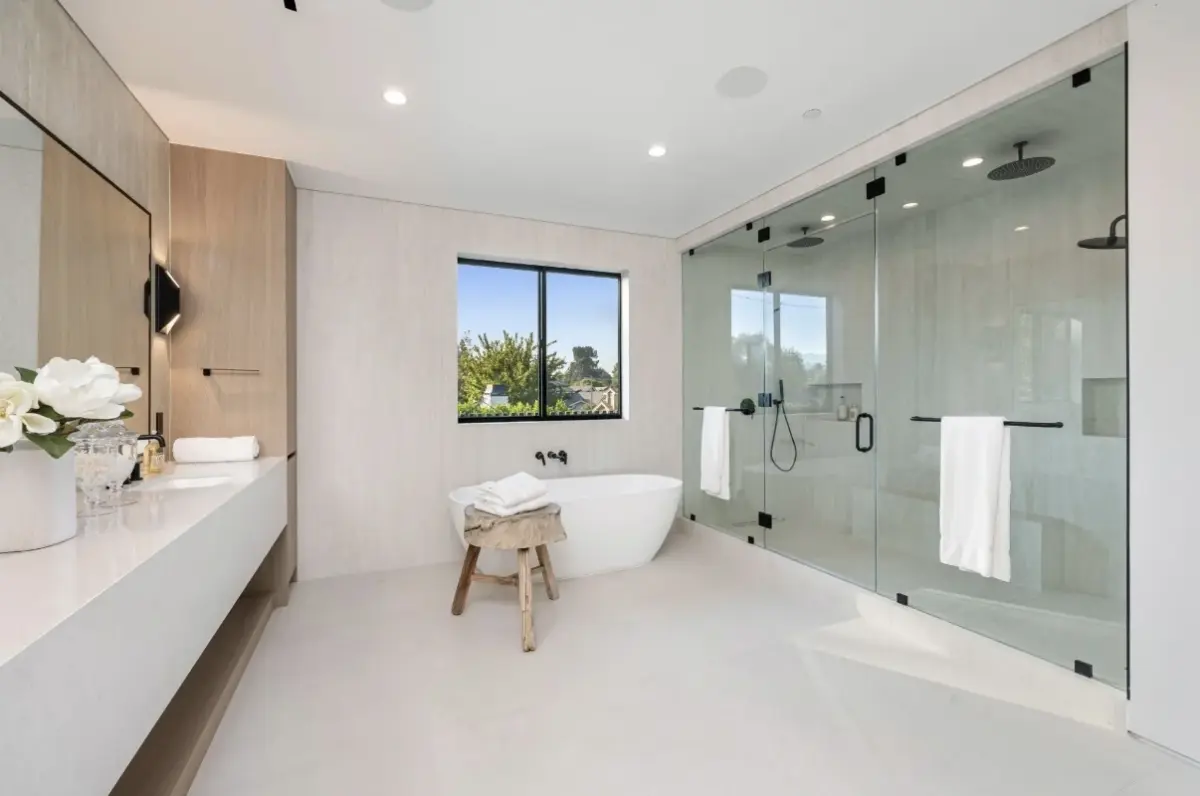
What Do I Wish I Knew Before My Bathroom Remodel? 10 Things Every Homeowner Should Know
A bathroom remodel can completely transform your home by improving comfort, functionality, and overall appearance. From modern showers and stylish vanities to beautiful tiles and upgraded lighting, there are countless ways to create a bathroom that suits your lifestyle.
However, bathroom remodeling is not always as simple as choosing new fixtures and colors. Unexpected expenses, plumbing issues, material delays, and design mistakes can quickly turn an exciting project into a stressful experience.
Many homeowners finish their renovations wishing they had known a few important things before getting started.
So, what do you wish you knew before your bathroom remodel? Here are 10 valuable lessons that can help you plan better, avoid common mistakes, and achieve the bathroom of your dreams.
1. Set a Realistic Budget Before Starting
One of the first things homeowners learn during a bathroom renovation is that costs can add up quickly. Beyond the price of tiles, faucets, and vanities, there are labor charges, plumbing work, electrical upgrades, waterproofing, and finishing expenses to consider.
Before starting your project, create a detailed budget that includes:
- Demolition and disposal costs.
- Plumbing and electrical work.
- Flooring and wall materials.
- Shower and bathtub installation.
- Vanity and storage solutions.
- Lighting and ventilation.
- Labor and finishing expenses.
It is also smart to reserve approximately 10–20% of your total budget for unexpected expenses. Hidden water damage, outdated pipes, and subfloor repairs can increase renovation costs.
Helpful Tip: Prioritize essential improvements first, then allocate the remaining budget toward decorative upgrades.
2. Bathroom Layout Matters More Than You Think
A beautiful bathroom is not necessarily a functional bathroom. One of the biggest lessons homeowners discover is that the layout can make a significant difference in everyday convenience.
For example, placing a vanity too close to a shower entrance or choosing an oversized bathtub can make the space feel cramped.
Before finalizing your design, think about:
- Comfortable walking space.
- Door clearance and accessibility.
- Shower and toilet placement.
- Vanity size and storage.
- Access to plumbing connections.
- Natural and artificial lighting.
Keeping existing plumbing locations can sometimes reduce renovation expenses. However, changing the layout may be worthwhile if it significantly improves functionality.
3. Waterproofing Should Never Be Overlooked
If there is one thing every homeowner should understand before a bathroom remodel, it is the importance of waterproofing.
Bathrooms are constantly exposed to moisture, making proper waterproofing essential for protecting walls, floors, and surrounding structures.
Poor waterproofing can lead to leaks, mold growth, damaged flooring, and expensive repairs.
Make sure your renovation includes:
- An appropriate waterproofing membrane.
- Proper shower floor preparation.
- Sealed corners and joints.
- Correctly waterproofed plumbing penetrations.
- Proper drainage and shower slope.
- Installation according to manufacturer specifications.
Remember, attractive tiles cannot compensate for an improperly waterproofed bathroom.
4. Choose Materials Based on Durability, Not Just Appearance
It is easy to get excited about beautiful bathroom designs, but not every material is suitable for a moisture-prone environment.
A material that looks fantastic in a showroom may require extensive maintenance or may not perform well in your bathroom.
Consider durability, water resistance, cleaning requirements, and long-term maintenance before making purchasing decisions.
Some popular bathroom material choices include:
- Porcelain tiles for durable flooring and wall applications.
- Quality ceramic tiles for versatile designs.
- Quartz countertops for attractive and relatively low-maintenance surfaces.
- Moisture-resistant cabinetry.
- Quality plumbing fixtures with reliable finishes.
- Appropriate slip-resistant flooring for wet areas.
Helpful Tip: Request material samples and check how they look under your bathroom's actual lighting before making final decisions.
5. Proper Lighting Can Completely Change Your Bathroom
Many homeowners underestimate the importance of bathroom lighting until the renovation is complete.
A single overhead light may not provide enough illumination for everyday activities such as shaving, applying makeup, or grooming.
A well-designed bathroom should include different lighting layers.
Ambient Lighting: Provides general illumination throughout the room.
Task Lighting: Helps improve visibility around mirrors and vanity areas.
Accent Lighting: Adds visual interest and highlights architectural or decorative features.
Consider dimmable lighting for added flexibility. Always select fixtures with appropriate ratings for their installation locations and follow electrical safety requirements.
6. Storage Space Is More Important Than You Expect
A bathroom can look beautiful immediately after renovation, but without enough storage, it may quickly become cluttered.
Think about where you will keep towels, toiletries, cleaning supplies, personal care products, and everyday essentials.
Practical storage options include:
- Floating vanity cabinets.
- Recessed shower niches.
- Built-in shelving.
- Medicine cabinets.
- Drawer organizers.
- Wall-mounted storage units.
Planning storage before construction helps ensure that cabinets and shelves fit naturally into the overall design.
7. Your Bathroom May Be Unavailable Longer Than Expected
Another important lesson is that bathroom remodeling can take longer than initially anticipated.
Even a relatively straightforward renovation may experience delays because of material availability, contractor scheduling, plumbing complications, or unexpected repairs.
Before starting, discuss the project timeline with your contractor.
Ask about:
- Estimated demolition time.
- Plumbing and electrical schedules.
- Waterproofing and curing periods.
- Tile installation.
- Fixture delivery.
- Final inspections and finishing.
If your home has only one bathroom, make arrangements for alternative facilities during construction.
A realistic schedule can help reduce stress and prevent rushed installation work.
8. Ventilation Is Essential for Long-Term Protection
Bathrooms generate considerable moisture, especially during showers and baths. Without proper ventilation, humidity can build up and contribute to mold, mildew, peeling paint, and unpleasant odors.
Many homeowners wish they had paid more attention to ventilation before completing their renovation.
Consider installing a properly sized exhaust fan that vents outdoors. Make sure it meets local building requirements and is suitable for your bathroom's size.
Good ventilation helps protect your renovation investment and keeps your bathroom more comfortable.
9. Small Design Details Make a Big Difference
Sometimes, the smallest details have the greatest impact on the overall bathroom experience.
Before finalizing your renovation, think about features you may use every day.
For example:
- Where will towel bars and hooks be installed?
- Are electrical outlets conveniently located?
- Is the shower niche positioned at a comfortable height?
- Does the vanity provide enough counter space?
- Are faucets easy to operate?
- Is there enough room for cleaning and maintenance?
Planning these details early helps avoid unnecessary adjustments after installation.
10. Hiring the Right Bathroom Remodeling Contractor Matters
Choosing the right contractor can make your entire renovation experience smoother.
An experienced professional can help with design decisions, material selection, installation planning, and potential construction challenges.
If you are searching for a bathroom remodel near me, take time to compare contractors rather than choosing the lowest estimate immediately.
Before hiring a professional, consider the following:
- Check licensing and insurance where required.
- Review previous bathroom remodeling projects.
- Read customer testimonials and reviews.
- Request a detailed written estimate.
- Discuss the project timeline.
- Ask about warranties and workmanship.
- Confirm who will handle permits and inspections.
Good communication is equally important. Make sure your contractor understands your expectations, budget, and design preferences before work begins.
Bonus: Questions to Ask Before Your Bathroom Remodel
Before construction starts, asking the right questions can help prevent misunderstandings.
Here are some important questions to discuss with your remodeling contractor:
- What is included in the renovation estimate?
- Will the existing plumbing need to be replaced?
- How will the bathroom be waterproofed?
- What materials are best for my bathroom?
- How long will the renovation take?
- Are permits required for the planned work?
- How will unexpected repairs be handled?
- What warranties are provided on materials and workmanship?
Getting clear answers before starting can help you feel more confident about your renovation.
Frequently Asked Questions About Bathroom Remodeling
1. What should I do first before remodeling my bathroom?
Start by evaluating your existing bathroom, identifying problems, establishing a realistic budget, and deciding what improvements you want. Planning the layout and selecting suitable materials should follow.
2. What is the most expensive part of a bathroom remodel?
Labor, plumbing modifications, shower installations, waterproofing, and high-end materials can account for a significant portion of renovation expenses. The exact cost depends on the bathroom's size and project requirements.
3. How much extra should I budget for unexpected bathroom remodeling costs?
A contingency fund of approximately 10–20% is a useful starting point. Older bathrooms or projects involving extensive plumbing and structural changes may require a larger reserve.
4. Should I change my bathroom layout during remodeling?
Not necessarily. Keeping the existing layout can help control costs. However, changing the layout may improve functionality, accessibility, and available space when the current arrangement is inconvenient.
5. What materials are best for bathroom remodeling?
Porcelain tiles, quality ceramic tiles, suitable waterproofing systems, moisture-resistant cabinetry, and durable countertops are popular options. The best materials depend on your budget, design preferences, and maintenance requirements.
6. How can I avoid delays during a bathroom renovation?
Finalize your design, select materials, confirm product availability, and establish a realistic construction schedule before demolition begins. Regular communication with your contractor can also help minimize delays.
Final Thoughts: Plan Smart for a Successful Bathroom Remodel
A successful bathroom remodel requires much more than choosing beautiful tiles and modern fixtures. It involves careful budgeting, smart space planning, proper waterproofing, durable materials, effective lighting, and professional installation.
The biggest lesson is to think about both appearance and everyday functionality before making major decisions.
Take your time, research your options, ask questions, and work with experienced professionals who understand your renovation goals.
With proper planning and attention to detail, you can create a bathroom that looks beautiful, works efficiently, and provides lasting comfort for years to come.
bathroom remodel near me










Comments (0)