

How Neon Sign Board Dubai Businesses Use Creates Lasting Visibility
A neon sign board Dubai businesses use can serve these purposes while adding a distinctive visual feature to a commercial space. From restaurant names and retail displays to reception walls and decorative interiors, illuminated signs are available in different shapes, colours, sizes, and styles.
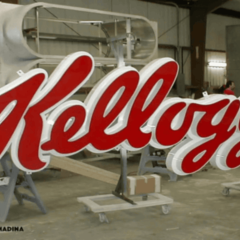

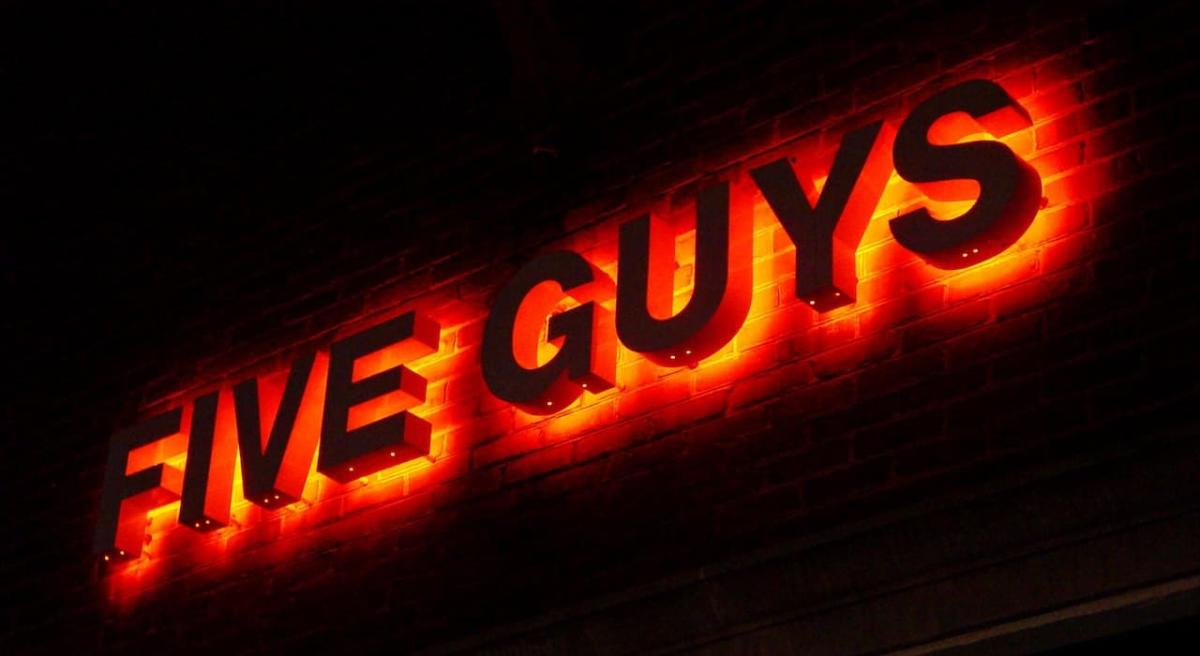
Lighting can change the way people notice and understand a business sign. A bright display can attract attention after sunset, identify an entrance, and make a shop easier to recognise from a distance. A neon sign board Dubai businesses use can serve these purposes while adding a distinctive visual feature to a commercial space. From restaurant names and retail displays to reception walls and decorative interiors, illuminated signs are available in different shapes, colours, sizes, and styles.
Traditional neon signs use glass tubes filled with gas that produce light when electricity passes through them. Modern alternatives often use LED technology to create a similar appearance with different construction methods. Understanding the difference is important when selecting a sign because each option has its own requirements for appearance, energy use, maintenance, and installation.
1. Why Neon Sign Board Dubai Businesses Choose Is Useful
Businesses often need signs that remain noticeable in different lighting conditions. During the day, natural light helps people see shop names and building displays. After sunset, however, an unlit sign may become less visible, especially in areas with several shops and illuminated advertisements.
An illuminated sign makes the business name or message easier to notice during evening hours. Restaurants, cafés, retail shops, entertainment venues, and hotels often use lighting to identify their entrances and create a recognisable appearance.
Improving visibility after dark
A restaurant located along a busy street may have several competitors nearby. An illuminated sign displaying its name can help customers identify the correct entrance without having to stop and search for smaller details.
The brightness should match the surroundings. A sign that is too dim may disappear among nearby displays, while excessive brightness can become uncomfortable or distracting. Good lighting should make the message clear without overwhelming the area.
Creating a recognisable appearance
Illuminated lettering can also become part of a business's visual identity. A distinctive colour or letter shape may help customers remember a location.
For example, a café might use a simple illuminated logo behind its counter. The same colour and lettering style could appear on its exterior sign, menu display, and other interior graphics. This creates a consistent appearance across different parts of the business.
2. Traditional Neon and Modern LED Neon Signs
The term neon sign is often used for different types of illuminated displays. However, traditional neon and LED neon-style signs are constructed differently.
Traditional glass neon signs
Traditional neon signs use narrow glass tubes shaped into letters, symbols, and decorative designs. The tubes are filled with gas, and an electrical current produces the light.
These signs can create a distinctive continuous glow and are often associated with vintage shopfronts, restaurants, and decorative displays. Their production requires specialist glass shaping and electrical knowledge.
Because the tubes are made from glass, they need careful handling. Breakage, electrical faults, and the need for specialist repairs should be considered before selecting this type of sign.
LED neon-style signs
LED neon signs use flexible lighting components to reproduce the appearance of traditional neon. The light source is usually housed within a flexible strip or shaped casing attached to a backing panel.
They can be produced in different colours and shapes, making them suitable for logos, wall displays, decorative lettering, and business names.
LED neon-style signs are often lighter than traditional glass signs. They may also offer lower energy consumption, depending on the design and power requirements. However, their final appearance differs from genuine glass neon, so businesses should compare samples before making a decision.
Which type is suitable?
The choice depends on the required appearance, installation location, maintenance expectations, and budget. Traditional neon may be suitable when a specific glass-tube appearance is important. LED alternatives may be more practical when flexible shapes, lighter construction, or simpler installation are priorities.
3. Popular Applications in Shops, Restaurants, and Offices
Illuminated signs are not limited to exterior business names. Their use depends on the type of business and the information people need to see.
Retail shopfronts
Retail stores use illuminated lettering to display their names, logos, and important information above entrances. The sign should remain readable from the normal approach direction and should not be hidden by awnings, trees, or other structures.
For example, a clothing shop may use illuminated letters above its glass entrance. A smaller internal display can repeat the logo near the checkout area.
Restaurants and cafés
Restaurants often use lighting to identify their entrances and create a particular atmosphere. A café may install a decorative LED neon-style sign behind its counter, while a restaurant may use illuminated lettering on its exterior façade.
The message should be easy to read. A complicated design with too many words may look attractive in a photograph but become difficult to understand from a distance.
Offices and reception areas
Illuminated signs can also be used indoors. A company may place its logo behind the reception desk to make the entrance easier to recognise. Meeting rooms, shared workspaces, and exhibition areas can also use small illuminated displays.
In office environments, lighting should be controlled so it does not distract employees or visitors.
Events and exhibition displays
Temporary displays often use illuminated lettering to make exhibition stands and event spaces more noticeable. Lightweight LED neon-style signs can be mounted on suitable backing panels and incorporated into temporary display structures.
The installation should be stable, and cables should be arranged safely to prevent people from tripping.
4. Choosing the Right Design, Colour, and Size
The visual design has a direct effect on how well an illuminated sign communicates. A sign needs to be attractive, but its main purpose should remain clear identification or communication.
Select colours carefully
Different colours create different visual effects. Warm colours may suit restaurants and cafés, while cooler tones may work well for technology businesses or modern office interiors.
The background also matters. A bright colour may be difficult to distinguish against a similarly coloured wall. Contrast should be checked under the actual lighting conditions where the sign will be installed.
Use readable lettering
Simple fonts are generally easier to recognise from a distance. Very thin lines, tightly spaced letters, and complicated decorative shapes can create problems during both production and viewing.
For example, a shop sign intended to be read from across a road needs larger and simpler lettering than a small decorative sign installed behind a counter.
Match the size to the location
The sign should be proportionate to its surroundings. A large display may suit a wide shopfront, but it can overwhelm a small reception wall.
Before production, measurements should be taken at the installation location. The design should also account for viewing distance, mounting height, nearby structures, and the direction from which visitors approach.
5. How Signage Dubai Businesses Selects Should Fit the Environment
Every commercial location has different requirements. The right signage Dubai businesses select should consider the building, surrounding displays, viewing conditions, and purpose of the sign.
Outdoor installation requirements
Exterior signs may face direct sunlight, heat, dust, wind, and rain. In Dubai, these conditions make material quality and secure installation particularly important.
The sign's casing, backing panel, electrical components, and mounting system should be suitable for outdoor use. A sign designed for an indoor wall should not automatically be assumed suitable for an exposed building façade.
Indoor installation requirements
Indoor signs have different priorities. They may need to match the interior design, fit within a limited wall area, and provide comfortable lighting.
For example, a hotel reception may use a softly illuminated logo to complement its interior. A retail counter may use a brighter display to make a particular area easier to identify.
Considering nearby lighting
An illuminated sign should be reviewed alongside nearby light sources. Streetlights, shop windows, decorative lighting, and other advertisements can affect how clearly it appears.
A sign that looks bright in a workshop may seem less noticeable when installed among several illuminated displays. Reviewing the design in its actual environment helps avoid this problem.
6. Understanding Materials and Construction
The construction of an illuminated sign affects its appearance, weight, durability, and maintenance needs.
Acrylic panels
Acrylic is often used as a front panel or backing material for illuminated signs. Translucent acrylic allows light to pass through, while solid-colour acrylic can be used for lettering and decorative details.
The thickness and type of acrylic should suit the dimensions of the sign. Larger panels may require additional support to remain stable.
Metal components
Aluminium and stainless steel can be used for sign housings, raised lettering, and supporting structures. Metal components provide strength and allow different surface finishes.
For outdoor applications, the selected metal and protective finish should be appropriate for the environment.
LED modules and power supplies
LED-based signs need suitable lighting components and a compatible power supply. The number and placement of LEDs influence brightness and light distribution.
Poor positioning can create uneven illumination, while an unsuitable power supply can affect performance. Electrical components should be selected and installed by qualified personnel.
Backing panels and mounting systems
The backing panel provides a surface for the lighting and lettering. The mounting system holds the sign in position.
Wall material, sign weight, dimensions, and exposure to wind should all be considered. Large exterior signs may require structural support beyond ordinary wall fixings.
7. Common Mistakes to Avoid When Ordering an Illuminated Sign
A sign can have an attractive design but still fail to perform well if practical details are overlooked.
Choosing appearance over readability
A complicated logo or decorative font may look impressive in a design file but become difficult to read when illuminated. The main message should remain recognisable at the expected viewing distance.
Using unsuitable brightness
Excessive brightness can cause glare, while insufficient lighting can make the sign difficult to see. The correct level depends on the location, viewing distance, and surrounding light.
Ignoring electrical safety
Illuminated signs require electrical connections and appropriate protection. Outdoor installations need components suitable for the expected conditions. Wiring should be protected, and maintenance should be carried out by qualified technicians.
Forgetting maintenance access
Some signs require access to LED modules, wiring, power supplies, or other components. If the design makes these parts difficult to reach, future repairs may become more complicated.
Overlooking installation permissions
Exterior signs may be subject to building rules, landlord requirements, or local authority approvals. These requirements should be checked before production and installation rather than after the sign is completed.
8. Planning, Installation, and Maintenance
A clear process helps ensure that an illuminated sign is suitable for its location and works as intended.
First, define the purpose. Decide whether the sign will display a business name, logo, directional message, or decorative feature.
Next, inspect the installation area. Measure the available space and consider the viewing distance, mounting surface, nearby lighting, and exposure to weather.
Then, choose the lighting type and material. Compare traditional glass neon with LED neon-style options, and select suitable acrylic or metal components where required.
Prepare the artwork. Check spelling, letter spacing, colours, dimensions, and overall proportions. A full-size design preview can help identify layout problems.
Review the electrical and mounting requirements. Confirm the power supply, wiring protection, fixing method, and access for future maintenance.
Inspect the finished sign. Before installation, check the surface, lettering, brightness, and electrical operation. After installation, confirm that it is securely mounted and visible from the intended viewing positions.
For maintenance, remove dust with suitable cleaning materials and avoid harsh chemicals that may damage the surface. LED signs should be inspected for uneven lighting or damaged components. Traditional glass neon requires careful handling and specialist repairs when necessary.
Conclusion
Illuminated signs help businesses remain identifiable during the evening and create a distinctive appearance in commercial spaces. Traditional glass neon and modern LED neon-style displays offer different construction methods, visual effects, and maintenance requirements. The best choice depends on the sign's purpose, installation location, design, and expected operating conditions. By considering readability, brightness, materials, electrical safety, and secure mounting before production, businesses can create illuminated displays that remain useful and visually effective over time.






Comments (0)