

Dual-Key Condo Living in Klang: How to Match Family Privacy With Smart Security
Dual-key condo in Klang? See how the layout works, who it suits, and which security questions to ask about access, lifts and visitors before you buy.

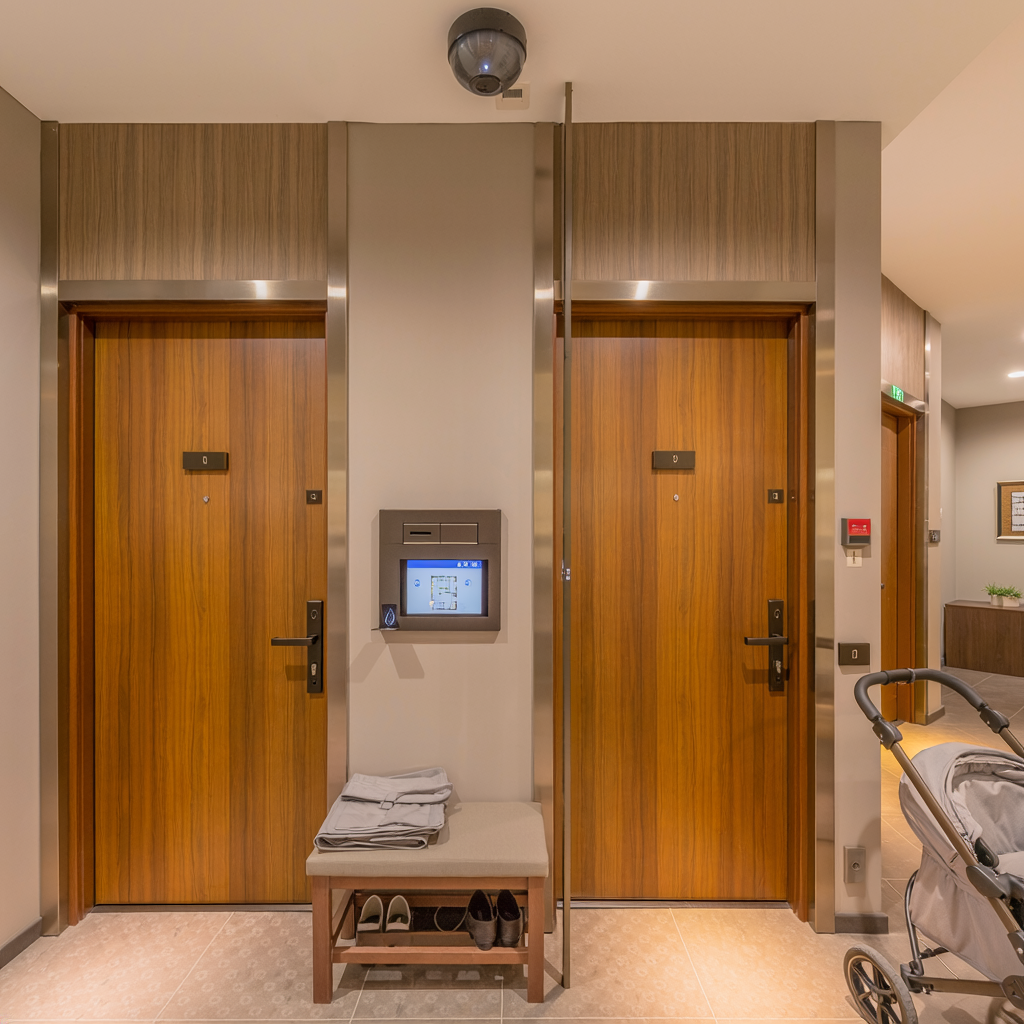
A dual-key condo gives one family two separate living areas under one strata title. That setup brings real privacy, but it also changes how you should think about safety. More entrances, more guests and sometimes a tenant all mean more daily movement through the building. This article explains how dual-key layouts work, who they suit, and which security questions to ask before you buy in Klang.
What a Dual-Key Condo Really Is
A dual-key unit is one apartment that splits into two independent living areas. Each side has its own entrance, bathroom and a small kitchen or kitchenette. The two sides share one strata title, one management fee and one set of maintenance duties, yet they work separately day to day.
Usually, the larger side holds the main living room and full kitchen. The smaller side is a studio or one-bedroom space. A trio-key unit goes one step further and adds a third independent area.
This is different from a normal condo with extra bedrooms. In a normal unit, everyone still shares the same kitchen, living room and front door. In a dual-key unit, the two households can keep different routines without bumping into each other each morning.
Ambang Residensi in Bandar Botanic, Klang offers both dual-key and trio-key layouts among its 618 serviced apartment units. Sizes range from 700 to 1,238 square feet, and the project sits opposite the Bandar Bukit Tinggi LRT3 station.
Who Benefits From This Layout
Families use the second side in different ways. Here are four common ones:
-
Ageing parents: A parent lives close by but keeps a private entrance, bathroom and morning routine.
-
A tenant: The smaller side is rented out, and the rent can help with the home loan.
-
A home office: A remote worker gets a room with its own door, away from school noise and household chatter.
-
A returning adult child: Someone needing a few months of space can stay without disturbing the main household.
Many readers want to know why dual-key layouts appeal to modern families in the first place. The short answer is flexibility. The same layout can serve a parent today and a tenant in a few years, without building work. Because needs change, it helps to judge the layout and the building together, not one without the other.
Why Security Matters More With Two Households
Two households under one roof means more people coming and going. A parent may have carers or relatives visiting. A tenant has friends, deliveries and perhaps a contractor now and then. Your own family adds its own visitors on top.
None of this is a problem by itself. It does mean the building’s entry system should do more than rely on a guard who waves cars through.
Security in a condo usually works in layers. Check each one separately, because a development can be strong in one layer and weak in another.
Layer one: the perimeter
The perimeter covers vehicle and pedestrian entry. Look for automated barriers linked to resident credentials, such as cards or vehicle stickers. These record each entry with a time stamp, so the management team has something to review later instead of a guard’s memory. Some newer developments also use licence plate recognition at the gate.
Layer two: the lobby and lifts
Many buildings stop checking people once they pass the front entrance. Lobby and lift control is the second layer. Card access can limit who enters the building and which floors the lift serves. Floor-restricted lifts matter even more when a development mixes homes with shops or open public areas, because they keep residential levels private.
Layer three: visitor management
Paper logbooks are still common in Malaysian condos. They are hard to search and depend on how carefully a guard writes. A digital system works better. A resident registers a guest through an app, the guest receives a pass, and the guard scans it at the gate. The entry is logged against that unit automatically.
This helps dual-key households in particular. Parent and tenant each have their own guests, and a clear record shows which unit invited whom. If you want a deeper look at all three layers, read what safety looks like beyond the guardhouse before you visit a sales gallery.
Questions to Ask Before You Buy
Brochures usually say “24-hour security, CCTV, access card”. Those words do not show whether the pieces connect. Ask these questions in person, and ask for the answers in writing where you can:
-
Is vehicle entry automated, and are entries logged digitally?
-
Does the lift take residents only to their own floor?
-
Can residents pre-register guests through an app?
-
Is CCTV watched live, or only recorded for later?
-
Who manages security after handover, and how are incidents reported and followed up?
On the last point, Malaysia’s Strata Management Act 2013 makes the Joint Management Body or Management Corporation responsible for common property in a strata development. That includes security systems. A management body that answers questions clearly is a good sign.
If the project is still under construction, remember that systems may be planned rather than installed. Ask what is confirmed in the contract, and treat verbal promises with caution.
Set Simple House Rules Before Move-In
Good hardware helps, but daily habits matter just as much. Families who share a dual-key unit often avoid trouble by agreeing a few rules early:
-
Decide who holds which access cards, and how lost cards are reported.
-
Agree how each side registers its own visitors.
-
Share emergency contacts between both households.
-
Put tenancy terms in writing if you rent out the second side.
-
Settle who pays for repairs and utilities before problems appear.
These steps take one evening, and writing them down makes them easier to follow. They also prevent most of the small arguments that spoil shared living.
Common Mistakes to Avoid
-
Judging safety by the guardhouse alone.
-
Assuming every feature in a brochure is installed and connected.
-
Skipping a check of lift and lobby access.
-
Renting out the second side without a written agreement.
-
Forgetting that more households mean more visitors to manage.
Frequently Asked Questions
1. What is a dual-key condo?
It is one strata-titled unit divided into two independent living areas. Each side usually has its own entrance, bathroom and small kitchen, while the household shares one title and one management fee.
2. Is a dual-key unit the same as a condo with extra bedrooms?
No. A normal unit shares one front door, kitchen and living room. A dual-key unit separates those spaces, so two households can keep their own routines and entrances.
3. Does a dual-key layout need stronger security?
It benefits from clear visitor management. With two households, guest and delivery traffic usually rises, so digital registration and entry logs help everyone track who comes in.
4. What should I ask about condo security before buying?
Ask whether entry is automated, whether lifts are floor-restricted, how visitors are registered, whether CCTV is watched live, and who handles incident reports after handover.
5. Can I rent out one side of a dual-key unit?
Many owners do, but check your sale and purchase agreement and the building’s rules first. Put every tenancy in writing, and tell the management office who lives in each side.








Comments (0)