

Freight Invoicing Software: Making Shipping Charges and Invoice Tracking Easier

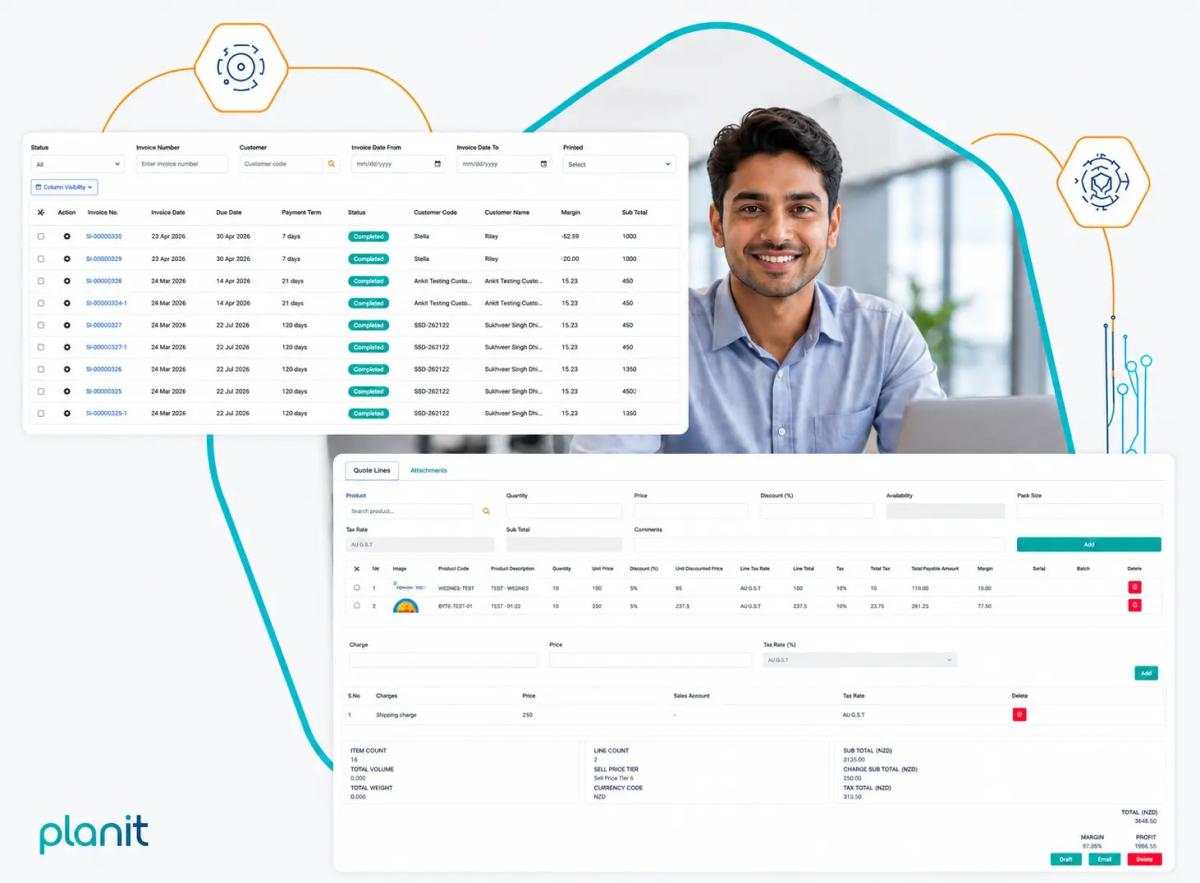
Shipping and transportation are essential parts of modern business operations. Whether a company manufactures products, distributes goods, or manages an online store, delivering orders to customers involves several costs and financial transactions. Freight charges, transportation fees, fuel surcharges, handling expenses, and additional delivery costs must be calculated and recorded accurately to maintain financial control.
However, managing these expenses manually can become challenging as shipping volumes increase. Businesses often deal with multiple carriers, different pricing agreements, changing delivery rates, and numerous customer invoices. Even a small calculation mistake can create billing discrepancies, payment delays, and unnecessary administrative work.
This is where Freight Invoicing Software becomes valuable. By helping businesses organise shipping charges, manage freight-related billing, and monitor invoice information, the right technology can simplify financial workflows and improve operational visibility.
Understanding Freight Invoicing Software
Freight invoicing software helps businesses manage invoices associated with shipping and transportation activities. It provides a more organised approach to recording freight expenses, calculating applicable charges, and maintaining billing information.
Instead of depending entirely on spreadsheets, paperwork, or disconnected accounting records, businesses can use digital systems to manage freight-related financial information more efficiently.
Depending on the platform and its capabilities, important functions may include:
-
Freight charge calculation and recording
-
Shipping cost management
-
Customer freight billing
-
Invoice creation and tracking
-
Transportation expense monitoring
-
Carrier-related billing records
-
Payment status management
-
Financial reporting
-
Integration with sales and inventory operations
These capabilities help businesses maintain better control over shipping-related transactions while reducing repetitive administrative activities.
Why Freight Invoice Management Matters for Growing Businesses
As businesses expand into new markets, shipping operations generally become more complicated. A company that initially works with a few delivery partners may eventually manage multiple carriers, warehouses, distribution centres, and customer delivery locations.
Each shipment can involve different pricing conditions and additional expenses. Managing these details without a structured process increases the possibility of inconsistent billing and inaccurate financial records.
According to the American Transportation Research Institute's 2024 operational costs research, the average marginal cost of operating a truck in the United States reached $2.260 per mile in 2023. This demonstrates why monitoring transportation expenses is important for businesses involved in freight movement.
A structured freight invoicing process helps companies understand where shipping costs originate and how those expenses affect overall profitability.
1. Simplifying Shipping Charge Calculations
One of the biggest challenges in freight billing is calculating the correct shipping amount for every order.
Transportation charges can depend on several factors, including:
-
Shipment weight and dimensions
-
Delivery distance
-
Transportation method
-
Fuel surcharges
-
Handling requirements
-
Packaging specifications
-
Special delivery services
-
Carrier pricing agreements
Calculating these charges manually for every shipment can consume valuable time, particularly when order volumes increase.
Freight invoicing software can help businesses organise these charges and apply defined pricing rules where supported. This makes it easier for finance and logistics teams to maintain consistent billing records.
Accurate shipping calculations also help businesses avoid undercharging customers or recording incorrect transportation expenses.
2. Improving Invoice Creation and Tracking
Creating invoices is only one part of the billing process. Businesses must also monitor whether invoices have been generated, shared, reviewed, and paid.
When invoice information is scattered across different files and departments, tracking outstanding payments becomes difficult.
A centralised invoicing system can help businesses organise:
-
Generated freight invoices
-
Pending customer payments
-
Completed transactions
-
Outstanding balances
-
Invoice dates and references
-
Shipping-related billing records
This visibility allows finance teams to identify overdue invoices and follow up more systematically.
It also helps managers understand the financial status of shipping operations without repeatedly collecting information from different employees.
3. Reducing Manual Errors and Administrative Work
Manual data entry is a common source of billing mistakes. Employees may enter incorrect shipment quantities, apply outdated transportation rates, duplicate invoice records, or overlook additional charges.
These errors can affect customer relationships and create extra work for accounting departments.
Digital freight invoicing processes can reduce repetitive tasks by organising information and supporting more consistent billing procedures.
For example, businesses may use predefined freight charge categories, standard invoice formats, and automated calculations to minimise unnecessary manual intervention.
However, automation should always be supported by appropriate verification procedures. Reviewing unusual charges and checking invoice information before final approval remains important.
4. Maintaining Better Control Over Transportation Expenses
Shipping expenses directly influence business operating costs. When transportation charges are not properly recorded, companies may struggle to understand how much they spend on individual orders, customers, routes, or delivery partners.
Freight invoicing software can help businesses maintain organised expense records and evaluate transportation costs over time.
Managers can use this information to identify:
-
Frequently occurring additional charges
-
Changes in transportation expenses
-
Differences between estimated and actual freight costs
-
Expensive delivery arrangements
-
Customer-specific shipping expenses
-
Opportunities to review carrier agreements
This information supports more informed financial planning and helps businesses evaluate whether their shipping arrangements remain commercially practical.
5. Strengthening Customer Billing Transparency
Customers expect accurate invoices that clearly explain what they are paying for. Unexpected shipping charges or unclear billing descriptions can create confusion and lead to payment disputes.
A structured freight invoicing process helps businesses maintain clearer documentation of transportation-related expenses.
Invoices can include relevant information such as shipping descriptions, freight charges, applicable fees, shipment references, and payment terms.
When customers receive understandable billing information, it becomes easier for them to verify charges and process payments.
Improved billing transparency can also strengthen professional relationships between suppliers, distributors, retailers, and customers.
6. Connecting Freight Billing With Inventory and Sales Operations
Freight expenses are closely connected with purchasing, sales, inventory, and order fulfilment. Managing these activities independently can create information gaps.
For example, a sales team may confirm an order while the finance department uses a separate process to calculate delivery charges. If these systems do not communicate effectively, discrepancies may occur between order values and final invoices.
An integrated business management solution can help connect relevant information across departments.
Depending on available integrations, businesses may benefit from:
-
Linking freight charges with sales orders
-
Maintaining shipping information alongside customer records
-
Coordinating delivery expenses with purchasing activities
-
Reviewing product and order-related costs
-
Keeping invoice information connected with financial records
This creates a more connected business workflow and reduces the need to repeatedly enter the same information into different systems.
7. Supporting Faster Financial Reporting and Business Decisions
Accurate financial information helps businesses understand their operational performance. However, preparing reports manually can become increasingly time-consuming as transaction volumes grow.
A suitable freight invoicing solution can provide organised records that support more effective reporting.
Businesses can evaluate indicators such as:
-
Total freight expenses
-
Shipping costs by customer
-
Outstanding freight invoices
-
Average shipping expenditure
-
Carrier-related expenses
-
Invoice payment progress
These measurements help decision-makers understand how shipping costs influence business performance.
For example, identifying consistently high delivery expenses for a particular customer segment may encourage management to review shipping agreements, pricing structures, or order fulfilment arrangements.
Important Statistics Highlighting the Importance of Digital Freight Management
The increasing importance of technology in transportation and logistics is reflected in industry research.
According to the American Transportation Research Institute, trucking operational costs reached an average of $2.260 per mile in 2023, highlighting the financial importance of monitoring transportation expenditure.
Additionally, the U.S. Department of Transportation's Bureau of Transportation Statistics regularly publishes transportation-related data covering freight activity, costs, and logistics trends.
These industry resources demonstrate why accurate freight cost records and organised financial processes are important for businesses operating in different markets.
Companies should use relevant industry benchmarks alongside their own operational data when evaluating shipping expenses and financial performance.
How to Choose the Right Freight Invoicing Solution
Selecting appropriate software requires understanding existing business requirements rather than simply choosing a platform with the largest number of features.
Before making a decision, businesses should evaluate the following factors:
1. Billing Flexibility: The system should support different freight charge structures and billing requirements.
2. Invoice Tracking: Look for clear visibility into invoice records, payment progress, and outstanding balances.
3. Integration Capabilities: Consider whether the software can connect with existing sales, inventory, accounting, and order management systems.
4. Reporting Features: Financial and operational reports should help managers understand freight-related expenses.
5. Ease of Use: Employees should be able to manage everyday invoicing activities without unnecessary complexity.
6. Scalability: Choose a solution that can accommodate increasing order volumes, additional customers, and expanding shipping operations.
7. Data Accuracy and Security: Proper access controls, reliable records, and verification processes are essential for managing financial information.
Conclusion: Making Freight Invoicing More Efficient
Shipping costs are an important part of business operations, and managing them accurately becomes increasingly important as companies expand. From calculating transportation charges to tracking invoices and reviewing outstanding payments, every stage of freight billing contributes to financial visibility.
Freight Invoicing Software helps businesses organise these activities through structured digital workflows. It can reduce repetitive administrative work, improve billing consistency, support expense monitoring, and connect freight information with broader business operations.
For growing manufacturers, wholesalers, distributors, and ecommerce businesses, adopting a suitable freight management approach can create a stronger foundation for efficient financial administration.
Simplify Business Operations With PlanIT
Managing shipping charges, customer invoices, inventory, and sales activities becomes easier when essential business processes are connected. PlanIT provides business management and inventory solutions designed to help organisations improve operational visibility, streamline workflows, and manage important business activities more effectively.
If your business wants to improve freight-related billing processes and strengthen overall operational management, connect with PlanIT to explore a suitable solution.
Contact Details:
-
Company: PlanIT
-
Mobile: +91-9958474631
-
Email: [email protected]










Comments (0)