

Choosing Brass Extrusion Rods for Industrial Production

Industrial production depends on selecting the right materials to achieve consistent quality, reliable performance, and smooth manufacturing operations. Every material used in a production process has a specific purpose, and choosing the correct metal can make a noticeable difference in the final product. Manufacturers must consider strength, durability, machinability, and application requirements before selecting a suitable material.
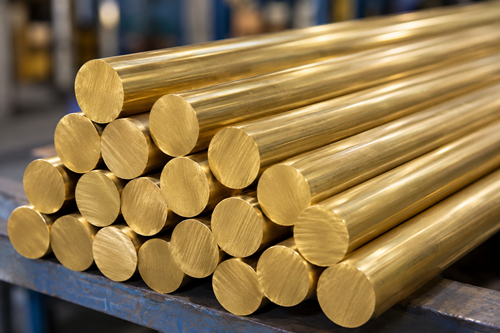
In this context, brass extrusion rods are widely used across different industries because of their excellent machining properties, corrosion resistance, and versatility. They provide a practical solution for manufacturers producing precision components, fittings, electrical parts, and various engineering products. However, selecting the right rods requires more than simply checking their appearance or dimensions. Understanding their material properties and production requirements helps businesses make better decisions.
Understand the Requirements of Your Production Process
Before selecting any brass material, it is important to understand how it will be used in the manufacturing process. Different industrial applications require different material characteristics. For example, components used in plumbing systems may require good corrosion resistance, while precision-machined parts need consistent dimensions and excellent machinability.
Manufacturers should consider the type of component being produced, the machining operations involved, and the conditions in which the finished product will operate. Having a clear understanding of these requirements makes it easier to select suitable brass grades and rod dimensions.
Check the Brass Grade and Composition
Brass is an alloy primarily made from copper and zinc, but its composition can vary depending on the intended application. Different grades offer different levels of strength, hardness, machinability, and corrosion resistance.
Some brass grades are particularly suitable for turning and cutting operations, while others are selected for applications that require specific mechanical properties. Manufacturers should check the chemical composition and relevant material specifications before placing an order.
Choosing the correct grade helps maintain product consistency and reduces the possibility of material-related issues during production.
Consider Dimensional Accuracy and Tolerances
Dimensions play an important role in industrial manufacturing, particularly when producing components that require precise measurements. Even small variations in rod diameter or straightness can affect machining accuracy and finished product quality.
When selecting brass rods, manufacturers should check diameter consistency, length requirements, surface condition, and dimensional tolerances. Accurate dimensions help maintain stable machining operations and reduce unnecessary material adjustments.
It is also useful to discuss tolerance requirements with the supplier before production begins, especially when manufacturing components that need to fit with other precision-engineered parts.
Evaluate Machinability and Surface Quality
Machinability is another important factor when choosing brass materials. In many manufacturing environments, rods undergo turning, drilling, milling, cutting, and other machining processes.
A suitable brass grade should support smooth machining while helping manufacturers achieve clean finishes and accurate component dimensions. Good machinability can also contribute to efficient production cycles and consistent output.
Surface quality deserves equal attention. Rods should be free from visible defects, excessive scratches, cracks, and other imperfections that could affect the manufacturing process or final appearance.
Check Strength and Corrosion Resistance
Industrial components often operate under different environmental and mechanical conditions. Some are exposed to moisture, while others experience regular friction, pressure, or mechanical movement.
For this reason, manufacturers should evaluate the strength and corrosion resistance of the selected brass material. The right combination of properties depends on the component's intended function and working environment.
Brass offers useful resistance to corrosion in many applications, making it a popular material for fittings, connectors, valves, and engineering components. However, the appropriate grade should always be selected according to the actual operating conditions.
Choose a Reliable Manufacturing Supplier
Material quality also depends on the manufacturing standards followed during production. Working with a reliable supplier helps businesses maintain consistency across regular orders and large production requirements.
Before finalising a supplier, manufacturers should review available material grades, production capabilities, dimensional accuracy, quality inspection procedures, and technical documentation. Certifications and test reports can also provide useful information about material specifications.
Clear communication is equally important. Sharing technical drawings, required dimensions, and application details helps suppliers understand production expectations and recommend suitable material options.
Make Material Selection Part of Quality Control
Selecting the right brass material should be considered an important part of the overall quality control process. Regular inspection of incoming rods helps identify dimensional variations, surface defects, and material inconsistencies before they enter production.
Manufacturers can also maintain material records to track specifications, batch details, and inspection results. This approach supports better production planning and makes it easier to maintain consistent manufacturing standards.
Final Thoughts
Choosing the right brass material for industrial production involves several considerations, including alloy composition, dimensional accuracy, machinability, strength, and surface quality. Each factor contributes to the performance of the finished component and the efficiency of the manufacturing process.
By understanding application requirements and working with dependable material suppliers, manufacturers can make informed purchasing decisions. Careful material selection not only supports consistent product quality but also helps create a more reliable and organised production process.











Comments (0)