

Creating a Calm Corner at Home: A Simple Sensory Space for Kids

Every child needs somewhere to go when the world gets too much. For kids who are sensitive to noise, light, or crowds, a small, quiet spot at home can make the difference between a meltdown and a manageable moment. A calm corner for kids is exactly that: a cosy space where your child can pause, breathe, and reset.
The good news is that you don’t need a spare room or a big budget. With a few soft items and a little planning, you can set one up in an afternoon. Here’s how.
What Is a Calm Corner?
A Safe Place to Reset
A calm corner is a small area set aside for rest and self-regulation. It is not a time-out spot or a punishment. It’s a place your child chooses to visit when they feel overwhelmed, tired, or simply need a break from busy surroundings.
Why It Helps Sensory-Sensitive Kids
Children who take in a lot of sensory information can reach their limit quickly. A quiet, predictable space lowers what they have to process, which gives their body time to settle. Over time, kids learn that they can look after their own feelings, and that builds confidence.
The same ideas, such as dim light and soft textures, can travel with you too. Our guide to preparing a sensory-sensitive child for travel, holidays, and family gatherings shows how to carry that comfort beyond the home.
Choosing the Right Spot
Pick somewhere quiet, away from the TV, kitchen and main walkways. A bedroom corner, the space beside a bookshelf or the nook under a window can all work well. Look for a spot that feels enclosed but not hidden, so you can still keep an eye on your child.
Let your child help choose. They’re far more likely to use a space they’ve had a say in.
Building Your Calm Corner on a Budget
Soft Lighting
Harsh lights can be tiring for sensitive eyes. Swap bright overhead bulbs for a small lamp with a warm bulb, or use battery-powered fairy lights or a night light. Avoid flashing or color-changing lights unless your child finds them soothing. A sheer curtain or fabric canopy can also soften daylight.
A Cosy Blanket
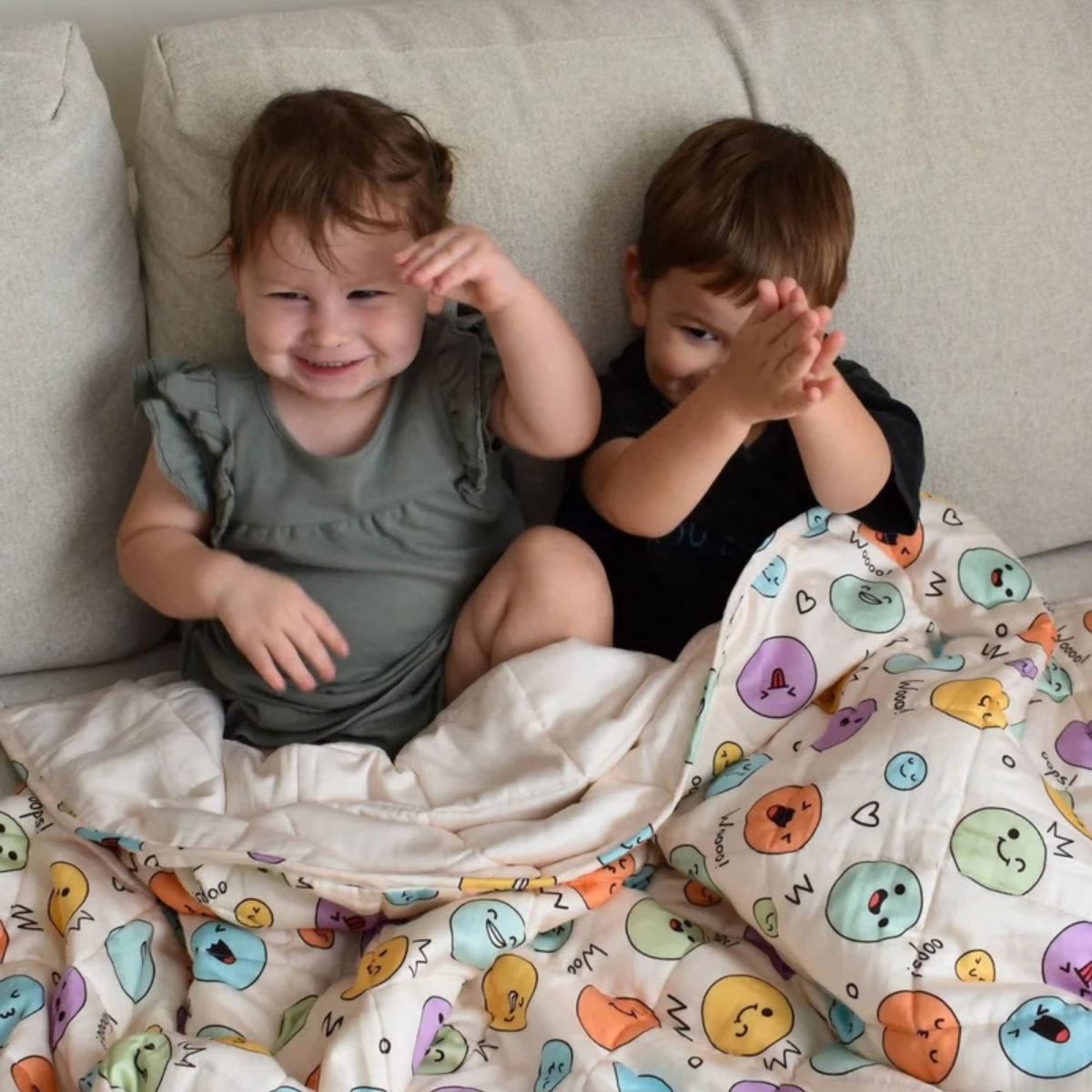
Touch is a big part of feeling safe. Choose a soft blanket your child loves and keep it just for the calm corner, so it becomes a signal to relax. Some children enjoy the steady, hug-like feel of a weighted blanket, as long as it suits their size and they can move out from under it easily.
Pillows and Comfy Seating
Floor cushions, a beanbag, or a stack of pillows give your child something to sink into. Mix textures such as fleece, cotton and faux fur, and let them pick what feels best. Keep everything washable, since this corner will get plenty of use.
Headphones and Gentle Sound
Noise is a common trigger. Keep a pair of comfortable noise-reducing earmuffs or headphones in the corner so your child can turn the volume of the world down. Some kids like soft music, white noise, or an audiobook, while others prefer complete quiet. Offer options and see what they reach for.
Small Calming Extras
Add a few simple tools such as a squishy toy, a picture book, a drawing pad or a glitter jar to shake and watch. Keep the choices limited, because too many objects can make the space feel busy.
Teaching Your Child to Use the Space
Introduce the corner when everyone is calm, not in the middle of a meltdown. Show your child around, let them test the seating and talk about when it might help. You could say, “This is your space for when your body feels too loud.”
Practise visiting together at first, then step back as they get comfortable. Never send your child there as a consequence. When they see it as a safe choice rather than a punishment, they will use it.
Taking Your Calm Corner Further
Once your child is using the space, you can build it up over time. A soft, comforting blanket can make the corner feel complete and carry the same calm into bedtime. If you’d like to see what’s available, you can browse our weighted blankets for kids, designed to give a gentle, hug-like feel for sensory comfort.
A quick safety note: weighted items are not suitable for babies or toddlers under two, and children should always be able to remove them without help. If you’re unsure, check with your GP or occupational therapist.
Frequently Asked Questions
How big should a calm corner be?
Just big enough for your child to sit or lie down comfortably, usually around one square metre.
What age is a calm corner suitable for?
Most children from about three can use one, and older kids often like to shape it to their own tastes.
How do I stop siblings from taking over the space?
Agree on a simple rule that the space belongs to whoever needs it at the time, and consider making a second spot if needed.
Final Thoughts
A calm corner doesn’t need to be fancy. A soft light, a cosy blanket, a few pillows and a pair of headphones are enough to give your child a place to reset. Start small, let your child lead, and adjust as you learn what helps. Over time, that quiet corner can become one of the most-used spots in your home.

Auteeze is a kids-focused online store offering thoughtfully designed sensory comfort products that support better sleep, relaxation, and emotional wellbeing. The range includes bamboo weighted blankets, memory foam pillows, and other child-friendly sensory essentials made to provide calmness and comfort. Each product is created with safe, soft, and high-quality materials to help children with sensory needs feel secure and sleep more peacefully every night.










Comments (0)