

Digital Marketing Strategies for Pest Control Companies in 2027

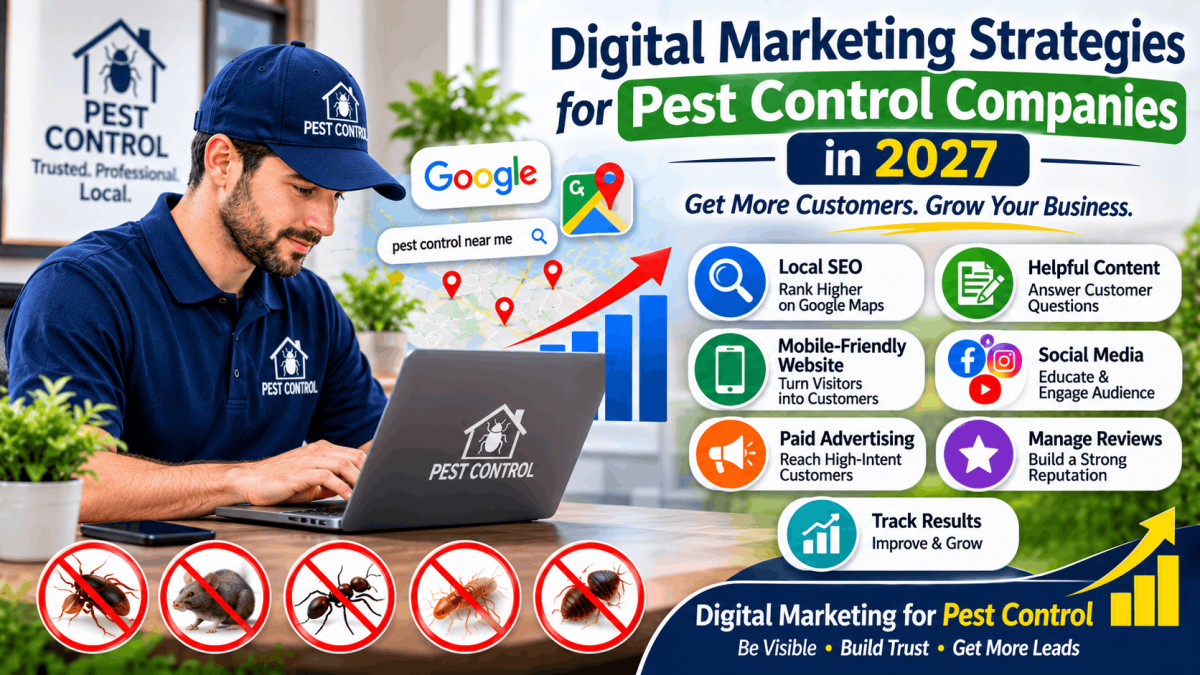
The pest control industry is becoming more competitive, and customers are increasingly turning to the internet when they need help with unwanted pests. Whether someone is dealing with termites, rodents, ants, or bed bugs, they often search online for a reliable local provider before making a decision.
For pest control businesses, having a strong digital presence is no longer optional. Effective Digital Marketing for Pest Control helps companies reach potential customers, build trust, and generate consistent enquiries. In 2027, businesses that combine useful content, local visibility, and a customer-focused online experience will be better positioned to grow.
1. Strengthen Your Local SEO Strategy
Most pest control services operate within specific cities, towns, or service areas. This makes local search engine optimization one of the most valuable digital marketing strategies.
When people search for phrases such as “pest control near me” or “termite treatment in my area,” search engines aim to show relevant local businesses.
To improve local visibility:
-
Create and maintain an accurate Google Business Profile.
-
Keep your business name, address, phone number, and operating hours consistent online.
-
Add relevant service categories and detailed descriptions.
-
Upload genuine photos of your team, equipment, and completed work.
-
Encourage satisfied customers to leave honest reviews.
-
Create website pages for the locations you serve.
A well-maintained local presence makes it easier for nearby customers to discover your services and contact your business.
2. Create Helpful Content That Answers Customer Questions
People often search for information before choosing a pest control provider. They may want to understand the signs of an infestation, compare treatment options, or learn how to prevent pests from returning.
Publishing useful website content can help answer these questions while improving your search visibility.
Consider creating articles about:
-
Common signs of termite damage
-
How to prevent rodents from entering a property
-
When professional bed bug treatment is necessary
-
Seasonal pest problems in your service area
-
Ways to reduce mosquito activity around a home
Focus on providing clear, practical advice rather than filling pages with promotional language. Well-organized content can attract relevant visitors and help establish your business as a knowledgeable service provider.
3. Improve Your Website for Mobile Visitors
Many customers search for pest control services using smartphones, especially when they discover an infestation and want quick assistance.
A slow or confusing website can cause visitors to leave before contacting your company. Your website should therefore provide a smooth experience across different screen sizes.
Important improvements include:
-
Fast page loading times
-
Simple navigation and readable text
-
Clear service descriptions
-
Visible phone numbers and contact options
-
Easy-to-use enquiry forms
-
Secure browsing with HTTPS
Make it straightforward for visitors to understand what you offer and how to request assistance. A user-friendly website can turn more relevant traffic into genuine enquiries.
4. Use Social Media to Build Trust
Social media platforms give pest control companies an opportunity to communicate with local audiences beyond search engines.
Instead of posting only advertisements, share content that helps people understand pest problems and prevention methods.
For example, you can publish short videos showing common pest warning signs, seasonal prevention tips, or answers to frequently asked questions. Before-and-after project photos may also help demonstrate the type of work your company performs, provided you have permission to share them.
Responding to comments and messages also creates opportunities to build relationships with potential customers.
5. Use Paid Advertising to Reach High-Intent Customers
Organic search can provide long-term visibility, but it may take time to produce meaningful results. Paid advertising can help businesses reach people who are actively looking for pest control services.
Search ads are particularly useful for targeting service-related searches, such as emergency rodent removal or termite inspections.
To manage advertising costs effectively:
-
Target locations where your team can provide service.
-
Select keywords closely related to your actual services.
-
Write clear advertisements that match search intent.
-
Direct visitors to relevant service pages.
-
Track phone calls, form submissions, and other enquiries.
-
Review campaign performance and adjust spending when necessary.
The goal is not simply to attract more website visits. It is to generate enquiries from people who are likely to need your services.
6. Manage Online Reviews and Customer Reputation
Online reviews can strongly influence how potential customers evaluate a pest control company. People want reassurance that a provider is dependable, professional, and capable of addressing their concerns.
Make it easy for customers to share honest feedback after a completed service. Respond to reviews politely, including negative ones. A thoughtful response shows that your business takes customer concerns seriously.
Never purchase fake reviews or pressure customers to provide positive feedback. Genuine customer experiences create a more trustworthy reputation over time.
7. Measure Results and Adapt Your Strategy
Digital marketing works best when decisions are based on performance rather than assumptions. Tracking key metrics helps identify which activities are bringing valuable customers to your business.
Monitor indicators such as:
-
Organic website traffic
-
Local search visibility
-
Phone calls and contact form submissions
-
Advertising cost per lead
-
Conversion rates
-
Review growth and customer feedback
Use this information to improve underperforming pages, refine advertising campaigns, and invest more effectively in successful channels.
Conclusion
Successful digital marketing in 2027 requires more than simply having a website or posting on social media. Pest control companies need a connected strategy that combines local SEO, helpful content, mobile-friendly design, paid advertising, reputation management, and consistent performance tracking.
By focusing on customer needs and maintaining a strong online presence, businesses can improve their visibility, earn trust, and create more opportunities for sustainable growth. Digital Marketing for Pest Control is most effective when every online activity supports a clear goal: helping the right customers find and choose reliable pest control services.









Comments (0)