

Understanding Laser Treatment in Dubai: A Complete Patient Guide
Understand Laser Treatment in Dubai, from suitability to aftercare, with guidance from Tajmeels Clinic.
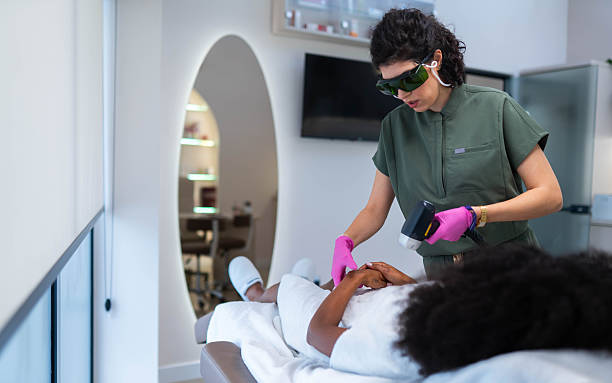
Choosing an aesthetic procedure requires more than knowing what results it may offer. Laser Treatment in Dubai includes several technologies designed to address different skin and aesthetic concerns, from unwanted hair and pigmentation to acne scars, uneven texture, and visible signs of ageing. Understanding how these procedures work, who may be suitable for them, and what the treatment journey involves can help patients make informed decisions.
Laser procedures use controlled light energy to interact with specific structures in the skin. The treatment approach depends on the target, the device, the patient's skin characteristics, and the desired outcome. A consultation is therefore an important first step before selecting a procedure.
What Can Laser Treatment in Dubai Address?
Laser technology is used for a range of aesthetic applications. Each procedure has a different purpose, so the treatment should be selected according to the concern being evaluated.
Common applications include:
-
Unwanted hair: Selected laser systems target pigment in hair follicles to achieve long-term hair reduction.
-
Uneven pigmentation: Certain devices target excess pigment associated with selected dark spots and other pigmentation concerns.
-
Acne scars: Fractional and resurfacing lasers may improve the appearance of specific scar types and uneven skin texture.
-
Fine lines and sun-related changes: Certain resurfacing procedures can improve selected signs of photoageing.
-
Tattoo removal: Specific laser wavelengths can break down tattoo ink particles so the body can gradually clear them.
-
Visible vascular lesions: Selected systems target blood vessels associated with certain visible skin conditions.
Not every concern responds to laser treatment. Some conditions require topical medication, other aesthetic procedures, medical treatment, or a combination of approaches.
How Does Laser Technology Work?
Laser devices produce concentrated light at particular wavelengths. The energy is absorbed by a target known as a chromophore, which may include melanin pigment, haemoglobin in blood vessels, or water within skin tissue.
The absorbed energy produces a controlled effect depending on the device and its settings. For example, hair-reduction lasers target pigment within hair follicles, while resurfacing lasers interact with water in the skin.
The specialist selects the technology according to the intended target and treatment depth. Factors such as skin tone, sensitivity, previous procedures, and the tendency to develop pigmentation changes also influence the decision.
Understanding Different Laser Treatment Approaches
Laser Treatment in Dubai for Skin Resurfacing
Resurfacing procedures are designed to improve selected surface and textural concerns. Depending on the technology, the laser may remove controlled portions of the outer skin or stimulate changes within deeper layers.
Fractional approaches treat microscopic zones while leaving surrounding tissue untreated. This can support the skin's repair response while creating a pattern of treated and untreated areas.
Ablative and Non-Ablative Technologies
Ablative lasers remove controlled layers of skin and generally involve more noticeable recovery. Non-ablative lasers heat targeted tissue without removing the outer skin in the same way.
The choice depends on the condition, treatment depth, expected improvement, and tolerance for downtime. Neither approach is automatically better for every patient.
Pigment-Targeting Lasers
Certain laser systems are designed to interact with pigment in the skin. They may be considered for selected dark spots, freckles, or other pigment-related concerns.
However, pigmentation disorders are not all alike. Melasma and post-inflammatory hyperpigmentation, for example, can be difficult to manage and may worsen after inappropriate treatment. Accurate diagnosis is essential before proceeding.
Who May Be Suitable for Laser Procedures?
Suitability depends on the procedure rather than a single set of general requirements. During an assessment, the specialist may consider:
-
Skin tone and pigmentation history.
-
The type and depth of the concern.
-
Current skin inflammation or infection.
-
Previous cosmetic treatments.
-
Medication and skincare use.
-
History of cold sores or unusual scarring.
-
Recent tanning and sun exposure.
-
Pregnancy or breastfeeding where relevant.
Patients with active skin infections, certain inflammatory conditions, or a history of problematic healing may need treatment adjustments or postponement.
Some procedures are suitable for a wider range of skin tones than others. The device and settings must be selected carefully to reduce the risk of burns and unwanted pigment changes.
What Happens During the Consultation?
A professional consultation helps establish whether laser treatment is appropriate and what outcome may realistically be achieved.
The specialist should examine the area, discuss the patient's concerns, and explain the available treatment options. Patients should also have an opportunity to discuss discomfort, downtime, possible side effects, and expected session numbers.
Depending on the procedure, a test spot may be recommended to observe how the skin responds before treating a larger area.
A suitable treatment plan should include clear instructions before and after the procedure. Patients should not feel pressured to proceed without understanding the risks and alternatives.
Preparing for Your Treatment
Preparation varies according to the technology and the area being treated. Common recommendations may include avoiding tanning, limiting excessive sun exposure, and temporarily changing certain skincare routines.
Patients should disclose prescription medications, topical products, supplements, previous procedures, and any history of skin reactions. Some ingredients or medications can increase sensitivity or affect healing.
For laser hair reduction, waxing and plucking may need to be avoided before treatment because they remove the hair follicle structure targeted by the procedure. Shaving may be recommended instead, depending on the provider's instructions.
Recovery and Expected Results
Recovery is determined by treatment intensity. Some procedures cause temporary redness and warmth, while deeper resurfacing can involve swelling, peeling, crusting, and a longer healing period.
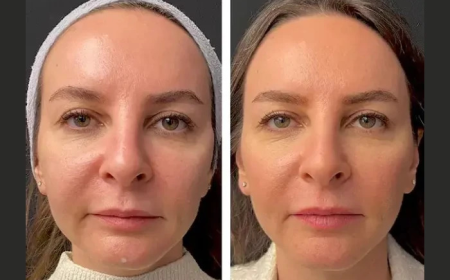
Results also develop at different rates. Hair reduction generally requires a series of sessions, while resurfacing improvements may become more noticeable as the skin heals and remodels.
Patients should understand that results vary and that complete correction of scars, pigmentation, or other skin concerns cannot be guaranteed.
Clinic Note
Laser treatment should be approached as a medically guided procedure rather than a one-size-fits-all beauty service. The correct technology, appropriate settings, careful patient selection, and consistent aftercare all influence treatment safety and outcomes.
Frequently Asked Questions
Is Laser Treatment in Dubai suitable for everyone?
No. Suitability depends on skin type, the condition being treated, medical history, and the selected technology. A professional assessment is necessary.
How many sessions will I need?
The number varies by treatment. Hair reduction, tattoo removal, and some pigmentation procedures generally require multiple sessions, while certain resurfacing treatments may be planned differently.
Can laser treatment improve acne scars?
Selected fractional and resurfacing lasers may improve the appearance of certain acne scars. The approach depends on scar type, depth, skin tone, and previous treatment history.
Is there downtime after laser treatment?
Some procedures involve little downtime, while ablative resurfacing may require a longer recovery period. Your specialist should explain the expected healing process before treatment.
Are laser results permanent?
Results vary by procedure. Hair reduction can be long-lasting, while pigmentation and signs of ageing may return or develop again. Maintenance and sun protection may be important.
Explore Your Laser Treatment Options at Tajmeels Clinic
Understanding the available technologies is the first step towards choosing an appropriate aesthetic procedure. Tajmeels Clinic encourages patients to discuss their skin concerns, medical history, and treatment expectations during a professional consultation. If you are considering Laser Treatment in Dubai, an individual assessment can help identify suitable options and establish a realistic treatment plan.

I’m part of Tajmeels Clinic in Dubai, sharing insights on Rhinoplasty Dubai, facial harmony, skincare, hair restoration, and personalized aesthetic care. lear more: https://tajmeels.ae/en/plastic-surgery/closed-rhinoplasty/







Comments (0)