

Jerusalem Through Art: From the Ancient Temple to the Modern City
Jerusalem is one of those rare places where a single view can contain thousands of years of history. Modern neighborhoods surround ancient walls. Houses of worship stand beside archaeological remains. Stone streets lead toward places remembered in religious texts for generations.
A City With More Than One Story
Jerusalem is one of those rare places where a single view can contain thousands of years of history. Modern neighborhoods surround ancient walls. Houses of worship stand beside archaeological remains. Stone streets lead toward places remembered in religious texts for generations.
For Artists, this Creates Almost Endless Possibilities
Some focus on the ancient Jerusalem temple, while others paint contemporary streets, the Kotel, city gates, rooftops, markets, and panoramic views.
Painting a Temple That No Longer Stands
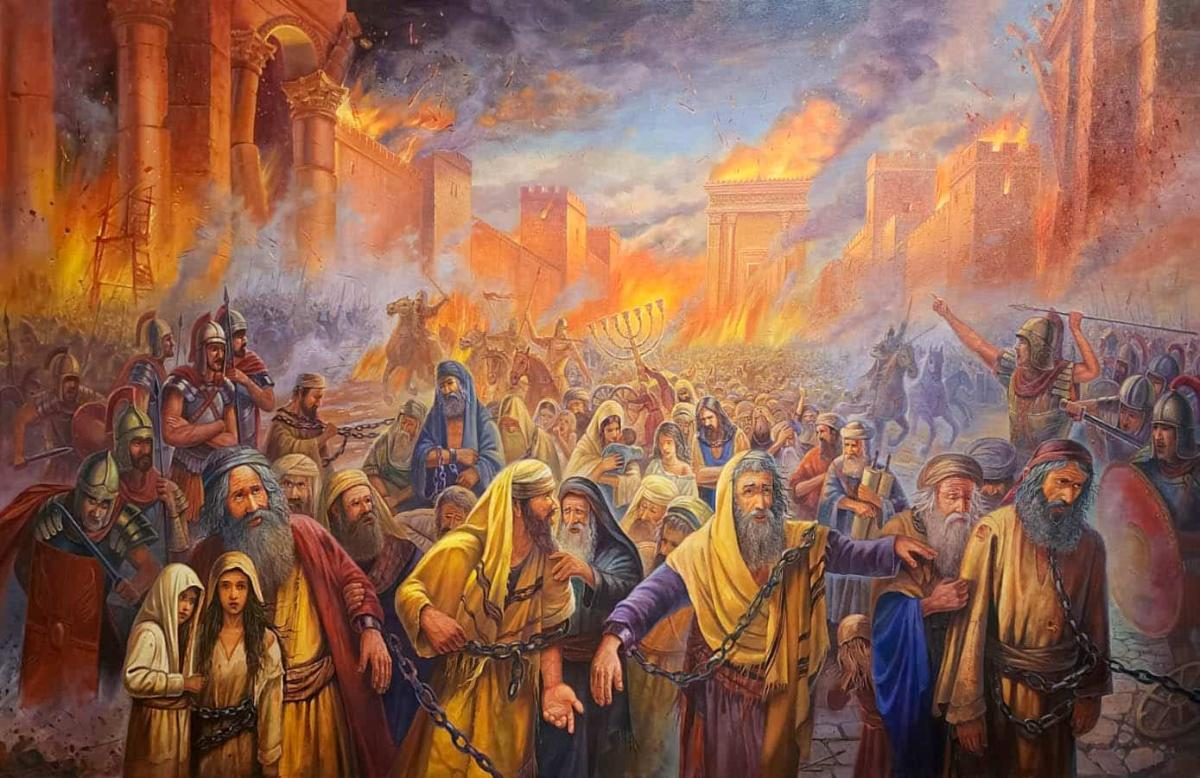
Creating an image of the ancient Temple presents a particular challenge because the artist cannot simply set up an easel in front of the original building.
The First and Second Temples were destroyed long ago. Modern reconstructions depend on historical texts, archaeology, architectural studies, and informed interpretation.
An artist must decide how much to emphasize accuracy and how much room to leave for imagination.
This gives Temple paintings a different character from ordinary cityscapes. They show Jerusalem as remembered or reconstructed rather than simply observed.
Jerusalem as It Appears Today
Contemporary Jerusalem offers a completely different artistic experience.
The city is filled with visual contrasts: pale stone, colorful markets, dark doorways, narrow alleys, modern buildings, religious neighborhoods, and open views toward the surrounding hills.
The light is particularly important. Jerusalem stone can appear almost white in the strongest sun and turn warm gold near sunset.
That transformation has inspired generations of painters.
Jerusalem Art Across Languages and Cultures
The fascination with Jerusalem extends far beyond Israel. Collectors around the world search for paintings using English, Hebrew, and many other languages.
For Hebrew-speaking audiences, collections of ציורי ירושלים can create an immediate connection with familiar streets, holy sites, and the visual character of the city.

PROPHETS AND JEWISH POETS ENDOWED JERUSALEM WITH MANY EPITHETS EXPRESSING FEELINGS OF LOVE, ADMIRATION AND DEEP REVERENCE - "HOLY CITY", "CITY OF GOD", "CITY OF JUSTICE", "FAITHFUL CAPITAL", "CITY OF PEACE". FIND YOUR OWN JERUSALEM BY EXPLORING MY PAINTINGS










Comments (0)