

Dry Needling Singapore: Benefits, Uses, and What to Expect
what dry needling in Singapore involves, how it differs from acupuncture, when physiotherapists use it, what a session actually feels like, and how it pairs well with sport massage in Singapore for athletes managing heavy training loads.
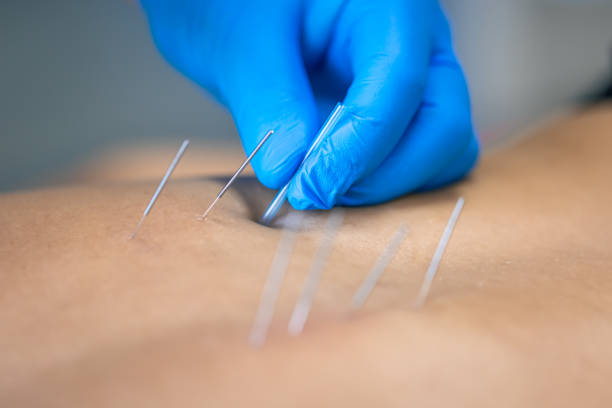
The first time someone hears "dry needling," the reaction is almost always the same. A slight pause, a bit of a frown, and then the inevitable question, isn't that just acupuncture with a different name? It's a fair thing to wonder, especially since both involve thin needles going into the skin. But the two come from completely different frameworks, and if you've been dealing with a knot in your shoulder or a tight spot in your calf that just won't release no matter how much you stretch or foam roll it, dry needling is worth actually understanding rather than lumping in with something else.
What Dry Needling Actually Is
Dry needling is a technique physiotherapists use to target trigger points, those tight, often painful knots that form within a muscle and refuse to let go on their own. A thin needle is inserted directly into that spot, and the goal is to trigger a small, localised twitch response in the muscle fibre. That twitch isn't just a random side effect, it's actually doing something useful. It helps release the tightness, improves blood flow to an area that's often become starved of proper circulation, and kickstarts the body's own healing process in tissue that's been stuck in a tense, irritated state for a while.
Acupuncture, by comparison, is rooted in Traditional Chinese Medicine and works along the concept of energy meridians running through the body. Dry needling doesn't follow that framework at all. It's based on Western anatomy and neuromuscular physiology, specifically targeting the exact spot where a muscle is dysfunctional, which is why physiotherapists use it as part of a broader musculoskeletal treatment plan rather than as a standalone therapy.
When Dry Needling Actually Gets Used
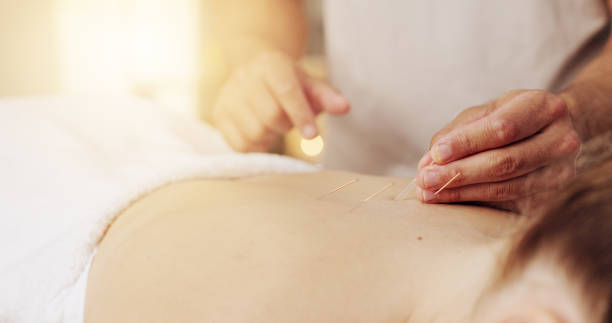
Dry needling tends to show up most often for chronic muscle tension that hasn't responded well to stretching, massage, or rest alone. Think of the classic desk-job neck and shoulder tightness that builds up from sitting hunched over a laptop for eight hours a day. Or the kind of stubborn calf tightness runners get that keeps nagging at them no matter how much they roll it out before a run.
It's also commonly used alongside rehab for sports injuries, particularly where overuse has led to trigger points forming around tendons or surrounding muscle groups, things like tennis elbow, lower back tightness linked to overcompensation after an injury, or persistent tension around the hip and glute area that's quietly feeding into knee or lower back pain elsewhere. In these cases, dry needling isn't really the whole treatment on its own. It's more of a tool to reduce tension and pain enough that the actual rehabilitation work, the strengthening, the mobility training, can proceed more effectively, because it's hard to retrain a muscle properly when it's locked up and guarding itself constantly.
What an Actual Session Feels Like
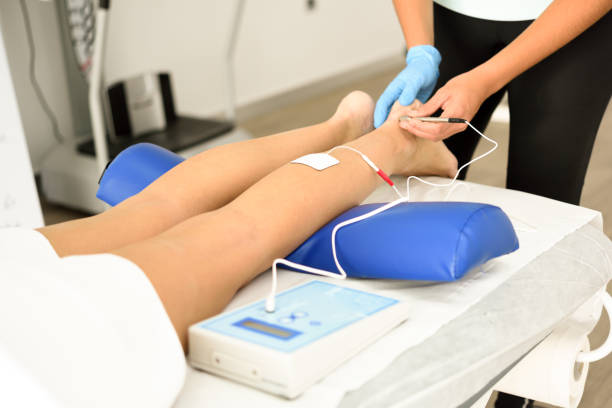
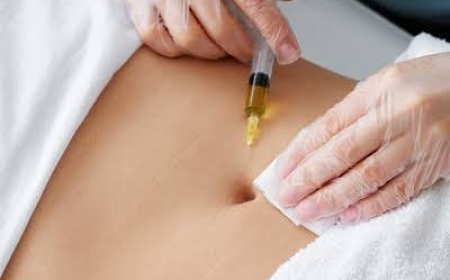
For anyone going in for the first time, it helps to know roughly what to expect. The physiotherapist will usually feel around the affected area first to locate the actual trigger point, since the goal is precision, not just needling somewhere vaguely close to where it hurts. Once the spot is identified, a very fine needle, much thinner than the kind used for injections or blood draws, is inserted directly into the muscle.
Most people don't feel much as the needle goes in. The sensation that actually gets people's attention is the twitch response itself, a brief, deep ache or a quick muscle cramp-like sensation right as the needle hits the trigger point. It's usually over in a second or two, and while it's not exactly comfortable, most people describe it as more unusual than painful. Afterwards, it's common to feel a bit sore in the area for a day or so, not unlike how a deep tissue massage can leave muscles feeling tender afterward. That soreness typically settles within 24 to 48 hours, and a lot of people notice the area actually feels looser and less restricted once that initial tenderness passes.
Pairing Dry Needling With Sport Massage
Dry needling works well on its own, but it's often even more effective when paired with other hands-on treatment, and sport massage in Singapore is a common complement to it. Where dry needling targets a specific, localised trigger point with precision, sport massage works more broadly across a muscle group, using deeper, more sustained pressure to improve circulation, reduce overall muscle tension, and support recovery after intense training or competition.
For athletes managing a heavy training load, combining the two tends to work well, dry needling to deal with specific stubborn knots that keep flaring up, and sport massage to manage the broader fatigue and tightness that builds up across a training block. Used together as part of a wider rehab or performance plan, they tend to complement each other rather than overlap unnecessarily.
Who Tends to Benefit Most
Dry needling isn't for every single ache, but it tends to be particularly useful for people dealing with chronic, stubborn muscle tightness that hasn't shifted with more passive approaches, athletes managing overuse injuries where trigger points keep reforming around the same area, and anyone whose pain seems to be tied to a very specific, localised knot rather than a broader joint or structural issue. It's generally not the first thing reached for with acute injuries or anything involving significant swelling or inflammation, since the priority there is usually calming things down first before introducing something that creates a brief, localised muscle response.
Is It Worth Trying
If you've been dealing with the same stubborn knot for months, the kind that massage therapists keep finding and working on but that never actually seems to fully let go, dry needling is genuinely worth discussing with a physiotherapist. It's not a magic fix on its own, and it works best as part of a broader plan rather than a one-off treatment. But for the right kind of chronic tension, dry needling Singapore clinics offer tends to get results that stretching and foam rolling alone just can't quite reach, especially when paired with complementary treatment like sport massage in Singapore to manage the bigger picture around it.
Integrative Physio is a leading physiotherapy clinic in Singapore, dedicated to holistic patient care and optimal recovery. Our internationally trained team of certified physiotherapists, with over 15 years of experience, provides tailored treatments designed to empower patients to achieve their goals. From sports physiotherapy to dry needling and lymphatic drainage massage, we offer a comprehensive range of services under one roof. We focus on identifying root causes, using advanced diagnostic techniques to deliver results efficiently. At Integrative Physio, we prioritize your well-being, ensuring personalized care without long-term packages. Experience the best in physiotherapy Singapore for faster recovery and complete wellness. For more information about Physiotherapist Singapore visit our website. https://www.iphysio.sg









Comments (0)