

Rhinoplasty Surgery in Dubai: Understanding the Process
Understand how Rhinoplasty Surgery in Dubai works, from nasal evaluation and surgical planning to structural adjustments, healing, and long-term results.
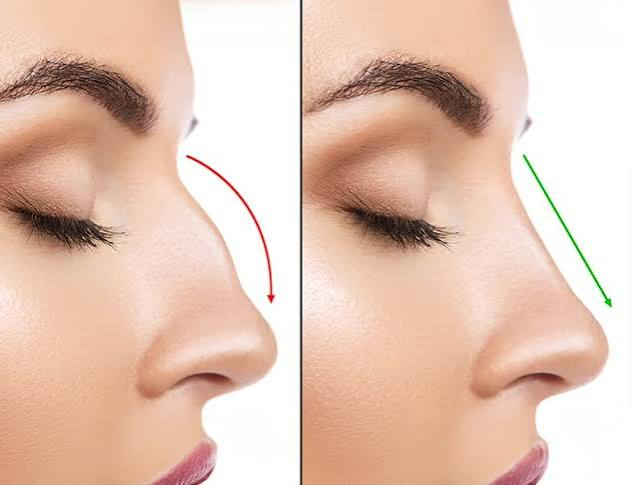
Changing the shape of the nose involves more than modifying its external appearance. Rhinoplasty Surgery in Dubai follows a structured process that considers nasal anatomy, facial proportions, skin characteristics, and individual expectations. Each stage has a specific purpose, from identifying the areas that require attention to monitoring how the nose heals after surgery.
People consider this procedure for different reasons. Some want to improve the appearance of their nasal bridge, while others are concerned about a wide tip, uneven contours, or structural problems that affect airflow. Understanding how the process works makes it easier to evaluate the procedure and its possible outcomes.
Step One: Identifying Nasal Concerns
The process begins by identifying the specific features that an individual wants to address. These concerns may involve the size, shape, projection, or alignment of the nose.
A prominent bridge, rounded tip, wide nostrils, and nasal asymmetry are among the common aesthetic concerns. Functional issues, such as restricted airflow, may also require attention.
It is important to distinguish between appearance-related goals and medical concerns because they can influence the surgical approach differently.
Step Two: Evaluating Nasal Anatomy
A detailed examination helps establish which modifications may be appropriate. The assessment considers the external appearance and internal structure of the nose.
Bone Structure
The nasal bones determine much of the upper bridge's shape and width. Their position and alignment influence how the nose appears from the front and side.
Cartilage Framework
Cartilage supports the lower portion of the nose, including the tip and nostril areas. Its strength and shape affect nasal projection, definition, and stability.
Skin and Soft Tissue
The thickness and elasticity of nasal skin influence how clearly the underlying structural changes become visible. This information helps establish realistic expectations about the final contours.
Step Three: Developing an Individual Surgical Plan
After evaluating the nasal structure, the proposed modifications are planned according to the individual's anatomy and desired outcome.
Some treatment plans focus on smoothing a nasal hump, while others involve refining the tip or adjusting the width of the bridge. Where structural breathing problems are present, functional correction may also be considered.
The aim is to establish an appropriate balance between appearance, structural support, and nasal function rather than making unnecessary changes.
Step Four: Selecting the Surgical Approach
The surgical approach depends on the extent and location of the required modifications.
Open Rhinoplasty
Open rhinoplasty uses an incision across the columella, together with internal incisions. This provides greater visibility of the underlying structures and can be useful for complex reshaping.
Closed Rhinoplasty
Closed rhinoplasty involves incisions inside the nostrils. It may be suitable when the planned adjustments can be performed without an external columellar incision.
Neither technique is automatically better for every individual. The choice depends on nasal anatomy, surgical requirements, and the level of structural access needed.
Step Five: Performing the Nasal Modifications
Rhinoplasty is commonly performed under general anaesthesia. The planned procedure may involve reshaping nasal bones, adjusting cartilage, refining the tip, or correcting internal structural irregularities.
In some cases, cartilage grafts are used to provide additional support or improve specific contours. The source of cartilage depends on the individual's requirements and surgical plan.
Once the necessary modifications are completed, the incisions are closed where applicable. A splint may be placed over the nose to help protect its structure during the initial healing period.
Step Six: Immediate Postoperative Care
After surgery, the individual is monitored while recovering from anaesthesia. Temporary swelling, bruising, congestion, and discomfort are expected possibilities during the early postoperative period.
Instructions may include keeping the head elevated, avoiding pressure on the nose, and taking prescribed medication as directed.
Follow-up appointments are important because they allow the healing process to be evaluated and any concerns to be addressed.
Step Seven: Understanding the Healing Stages
The nose does not reach its final appearance immediately after surgery. Healing takes place gradually as swelling decreases and the tissues settle.
During the first week, swelling and bruising may be more noticeable. Over the following weeks, these changes generally begin to improve, making the overall nasal shape easier to observe.
During the next several months, the nasal contours continue to refine. The tip can remain swollen longer than the bridge, particularly in individuals with thicker skin.
Complete refinement may take 12 months or longer, depending on the extent of the procedure and individual healing characteristics.
What Can Affect the Final Outcome?
Several factors influence how the nose looks after rhinoplasty. Existing bone and cartilage structure determine which changes are possible, while skin thickness affects the visibility of fine details.
Healing responses also differ between individuals. Following postoperative instructions, avoiding smoking, and protecting the nose from accidental injury can support an appropriate recovery.
It is also important to recognise that perfect symmetry cannot always be achieved because natural facial asymmetry is common.
Common Misunderstandings About the Rhinoplasty Process
One common misconception is that rhinoplasty always involves making the nose smaller. In reality, some procedures focus on improving support, correcting asymmetry, or changing specific contours without reducing overall size.
Another misunderstanding is that the final result becomes visible as soon as the splint is removed. Although the initial shape can be observed, swelling may continue to affect the appearance for many months.
People may also assume that every nasal concern can be corrected through the same technique. In practice, the approach must reflect the individual's anatomy and treatment requirements.
Potential Risks to Understand Before Surgery
Like any surgical procedure, rhinoplasty carries possible complications. These include infection, bleeding, scarring, persistent swelling, changes in sensation, asymmetry, and breathing difficulties.
Some individuals may require further treatment if the initial outcome does not address their concerns or if healing produces an unexpected structural change.
Discussing these possibilities beforehand helps individuals make informed decisions and understand the limitations of surgery.
Final Thoughts
Understanding each stage of Rhinoplasty Surgery in Dubai can make the decision-making process more straightforward. From evaluating nasal anatomy and selecting a suitable surgical approach to managing recovery, every stage contributes to the overall treatment journey. Individualised planning and realistic expectations remain essential for achieving balanced results. TAJMEELS CLINIC provides an opportunity to explore rhinoplasty information and understand the considerations involved in nasal reshaping.
For More Details, Contact Us Through:
WhatsApp: +971 56 203 8751
Phone: +971 4 373 9000
Social Media:

Provide health services











Comments (0)