

From First Consultation to Final Finish: What Makes a Men’s Barbering Experience Feel Complete
Consultation establishes the direction. Cutting technique creates the shape. Beard work connects the facial hair to the haircut.

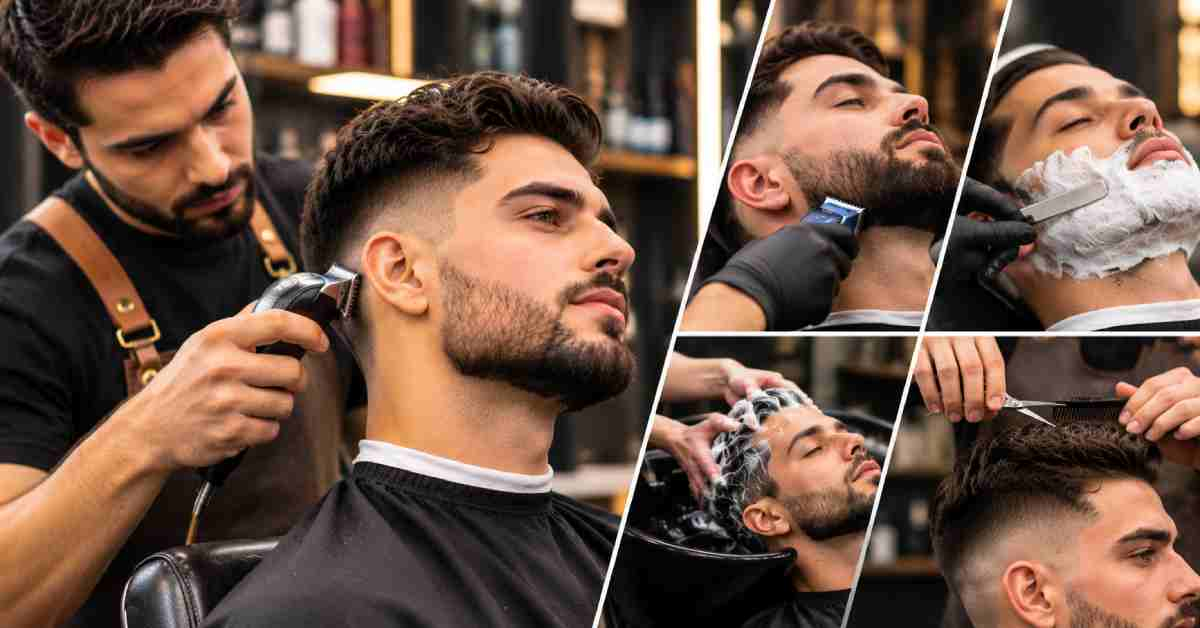
A good barber visit is about more than the final haircut.
The experience begins before the clippers or scissors are used. A clear consultation, realistic style planning, careful execution, beard integration, finishing details, and practical advice all contribute to whether the result feels complete.
For men who care about consistency, the difference between an average appointment and a strong barbering experience often comes down to the small decisions made throughout the visit.
Understanding those stages can also help clients communicate more clearly and leave with a style that is easier to maintain.
The Consultation Sets the Direction
A useful barbering appointment should begin with a conversation.
The barber needs to understand what the client wants, but that does not mean simply asking, “What are we doing today?”
Hair length, texture, density, growth pattern, face shape, beard coverage, maintenance habits, and work routine can all influence the final result.
A client may ask for a particular fade or haircut seen online, but the exact version may need adjustment.
The goal is not to reject the requested style. It is to adapt it so that it works with the individual.
Reference Photos Can Improve Communication
Haircut terminology is not always consistent. One person’s “low fade” may look different from another person’s idea of the same style.
A reference image can remove much of that uncertainty.
It gives the barber a visual starting point for length, texture, fade placement, shape, and overall finish.
However, a reference image should still be treated as inspiration. Hair texture, head shape, hairline, and density may require modifications.
Someone booking a men’s haircut in Dallas can get a better result by explaining what they like about the reference photo rather than expecting an exact copy.
That creates room for a style that is both familiar and better suited to the individual.
The Haircut Should Match Daily Life
A haircut can look excellent in the chair and still become frustrating at home. This usually happens when the style requires more maintenance than the client expected.
Some cuts need daily blow-drying, product, and frequent barber visits. Others are designed to grow out more naturally.
A good consultation should therefore include lifestyle questions.
How much time does the client want to spend styling? How often are they willing to return for maintenance?
Do they work in a formal environment? Do they normally wear the hair natural or styled?
The answers help determine whether the haircut will remain practical after the appointment.
Hair Texture Should Guide Technique
Different hair textures require different cutting approaches. Straight hair often shows lines and weight changes clearly.
Wavy hair may benefit from controlled texture. Curly hair needs enough length to preserve its natural pattern. Very thick hair may require weight removal, while fine hair can sometimes look better when too much thinning is avoided.
The barber should work with the natural behaviour of the hair. Trying to force every client into the same cutting pattern can make the finished style harder to manage.
The best haircut usually feels like an improved version of how the hair naturally wants to sit.
Fade Placement Changes the Overall Look
Fades are not simply about making the sides shorter. Where the transition begins affects the proportions of the entire haircut.
A low fade keeps more weight around the head. A mid fade creates stronger contrast.
A high fade removes more hair through the sides and can make the top appear more prominent. Skin fades create an even sharper transition.
The right choice depends on head shape, face proportions, hair density, and personal preference.
A good barbering experience includes explaining these differences rather than using the same fade height by default.
Scissor Work Matters Even in Short Haircuts
Short hairstyles are often associated mainly with clippers. However, scissor work can still influence shape, movement, and texture on top.
It can soften transitions and help the haircut sit more naturally. For medium and longer styles, careful scissor cutting becomes even more important.
The goal should be balance.
The sides, top, fringe, crown, and neckline should all work together rather than looking like separate sections.
The Beard Should Be Planned With the Haircut
A beard can completely change the way a haircut looks. This is why beard shaping works best when it is considered as part of the same overall style.
The sideburn area is especially important. A sharp fade can look disconnected if the beard begins suddenly at a much heavier length.
Blending creates a smoother transition. A professional beard trim in Dallas can also help refine cheek lines, neckline, bulk, and shape so that the facial hair complements the haircut.
The objective is not simply to shorten the beard. It is to create proportion between the upper and lower parts of the face.
Beard Shape Should Suit Natural Growth
Not every beard grows evenly. Some men have strong coverage around the jaw but less density through the cheeks.
Others have fuller moustache growth or uneven areas on one side. A good beard trim should work with those patterns.
Trying to force perfectly straight or overly high cheek lines can sometimes make thinner areas more noticeable.
A slightly more natural shape may look fuller and be easier to maintain.
The same applies to beard length. The best length is usually the one that suits both face shape and natural density.
The Neckline Creates Definition
The neckline is one of the most important finishing details in beard work. If it sits too low, the beard can appear heavy.
If it is taken too high, the beard may lose natural fullness around the jaw. The ideal position depends on beard length and face structure.
Once the neckline is established properly, home maintenance becomes much easier. This is a small detail that can make the entire beard look more deliberate.
Shaving Requires Preparation
A close shave is not simply about using a razor. Preparation affects comfort and finish.
Warm water or a hot towel can help soften facial hair before shaving.
Proper lubrication reduces unnecessary friction. The direction of hair growth also matters.
For men prone to irritation or ingrown hairs, shaving technique may need to be adjusted rather than simply making additional passes.
A traditional straight-razor or hot towel shave can feel more complete because the preparation and finishing stages receive as much attention as the actual hair removal.
Hair Washing Can Improve the Result
A professional hair wash may seem like a minor part of the appointment, but it can improve both assessment and styling.
Oil, sweat, dust, and heavy product buildup can change how the hair behaves.
Clean hair can make texture and movement easier to evaluate.
It can also help the finished style feel lighter and more natural.
For clients who use strong products regularly, washing can be especially useful before the final styling stage.
Finishing Details Separate a Good Cut From a Complete One
The final few minutes of a barber appointment often make a noticeable difference. Checking the neckline, sideburns, temples, beard transition, loose hairs, and overall symmetry can refine the result.
The barber should also view the haircut from different angles. A cut that looks balanced from the front may still carry too much weight at the crown or one side.
Finishing is not about making every line unnaturally sharp. It is about making the overall shape look intentional.
Styling Advice Should Be Realistic
The finished haircut may look very different depending on how it is styled. This is why product advice should be practical.
A matte clay, cream, pomade, or other product should be recommended according to the hair type and desired finish.
Clients should also understand how much product to use. Applying too much can flatten the hair or make it greasy.
A simple explanation of where to apply the product and how to distribute it can make home styling much easier. The aim is to help the client recreate a similar result without needing professional tools every morning.
A Premium Experience Should Still Feel Personal
A polished environment and additional grooming services can improve a barber visit, but they do not replace individual attention.
A premium barbershop in Dallas may offer haircuts, fades, beard services, shaves, hair washing, facial care, and other grooming options, but the experience still depends on how well the service is adapted to each client.
The most important elements remain communication, consistency, comfort, and attention to detail.
A long list of services means little if the haircut itself does not suit the person wearing it.
Consistency Matters Across Appointments
A good haircut once is useful. A consistently good haircut is more valuable.
Returning to the same barber can make future consultations easier because the barber becomes familiar with growth patterns, preferred fade height, beard shape, and maintenance habits.
Photos or notes can also help maintain consistency. This is especially useful for clients who want the same general style every few weeks.
At the same time, the style should still be adjusted when hair density, beard length, or personal preferences change.
Clients Should Speak Up During the Appointment
Communication does not end after the consultation. If something feels different from what was discussed, it is better to mention it early.
For example, if the sides feel shorter than expected or more length should remain on top, the barber can often adjust the approach before the haircut is completed.
Waiting until the final mirror check limits the available options. A good barbering experience should feel collaborative rather than one-sided.
Aftercare Helps Maintain the Result
The haircut continues growing as soon as the appointment ends. Simple home care can help preserve the shape.
Use appropriate hair products. Keep the beard clean and conditioned.
Avoid repeatedly reshaping major beard lines at home. Trim obvious stray hairs rather than attempting a complete correction.
The neckline and sideburn areas may need attention first because they tend to show growth quickly. Good aftercare extends the useful life of the professional work.
The Complete Experience Is About More Than Appearance
Barbering is practical, but it can also influence confidence and routine. A haircut that suits the client is easier to style.
A beard that has been shaped properly becomes easier to maintain. A clear consultation reduces uncertainty at future appointments.
These benefits come from the whole process, not just the final ten minutes.
Final Thoughts
A complete men’s barbering experience begins with understanding the client and ends with a result they can realistically maintain.
Consultation establishes the direction. Cutting technique creates the shape. Beard work connects the facial hair to the haircut.
Shaving, washing, and finishing refine the result. Styling advice helps carry that result into everyday life. The strongest barber visits are not necessarily the most complicated.
They are the ones where each stage serves a clear purpose and the final look feels natural, balanced, and suited to the person wearing it.









Comments (0)