

Mammogram in Dubai: Why Breast Screening Matters
Discover why Mammogram in Dubai matters for breast health awareness and early detection. Learn about screening options at Tajmeels Clinic and book a consultation.
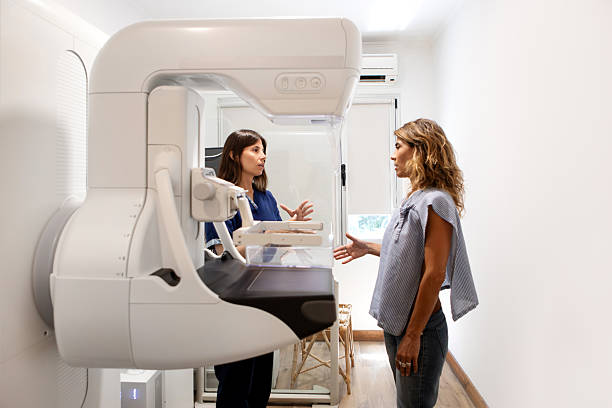
A Mammogram in Dubai can play an important role in maintaining breast health by identifying suspicious tissue changes before they become noticeable. Breast screening allows doctors to investigate potential abnormalities and assess whether further testing is required. Understanding the importance of mammography, recommended screening schedules and personal risk factors can help women take a more informed approach to preventive healthcare.
Why Is Mammogram in Dubai Important for Women's Health?
Breast health can change throughout different stages of life. Although many breast changes are harmless, some may require professional investigation.
Mammography provides detailed images of internal breast structures and can identify certain abnormalities that cannot be detected through physical examination alone.
Breast screening is particularly relevant because early breast cancer may not cause pain, visible changes or a noticeable lump.
A screening mammogram can help identify suspicious findings before symptoms develop, creating an opportunity for timely medical evaluation.
How Mammogram in Dubai Helps Identify Breast Abnormalities
Mammograms can reveal different types of breast changes, including:
-
Small masses or areas of unusual tissue density.
-
Microcalcifications, which are tiny calcium deposits.
-
Changes in breast tissue structure.
-
Areas that may require additional imaging.
-
Differences between current and previous mammogram images.
Not all these findings are cancerous. Many abnormalities are associated with benign conditions, but their appearance and clinical context determine whether further investigation is necessary.
What Is the Difference Between Breast Screening and Diagnostic Mammography?
Understanding the difference between screening and diagnostic imaging is important because the two examinations serve different purposes.
Screening mammography is generally performed when a woman has no noticeable breast symptoms. Its purpose is to look for possible abnormalities before they become clinically apparent.
Diagnostic mammography is used when a specific concern needs investigation. This may include a breast lump, nipple discharge, unusual skin changes or an abnormality identified during an earlier screening examination.
When Should You Choose Mammogram in Dubai for Screening?
Routine screening is intended for women who meet the recommended age and risk criteria.
The timing of screening depends on the medical guidance being followed and the individual's circumstances. For example, the USPSTF recommends biennial screening for average-risk women aged 40–74. Other organisations may recommend annual screening or different starting arrangements.
Women with a personal history of breast cancer, significant family history or certain inherited genetic mutations may require a different screening approach.
When Is Diagnostic Mammography Necessary?
A diagnostic examination may be recommended when a woman experiences:
-
A newly discovered breast lump.
-
Persistent or unexplained breast discomfort.
-
Nipple discharge, particularly if bloody or spontaneous.
-
Changes in nipple position or appearance.
-
Skin dimpling or unusual thickening.
-
An abnormal finding on a previous mammogram.
New breast symptoms should be medically assessed even if a recent screening mammogram was normal.
What Breast Conditions Can Mammography Help Investigate?
Mammography is primarily associated with breast cancer screening, but it can also help investigate other breast abnormalities.
The findings may indicate the need to evaluate:
Breast masses: Mammograms can show areas of increased density or masses that require further assessment.
Breast calcifications: Small calcium deposits may appear on mammogram images. Their pattern and distribution help determine whether further investigation is appropriate.
Breast tissue changes: Differences in tissue appearance can sometimes indicate an abnormality that needs additional imaging.
Post-surgical changes: Previous breast procedures may affect the appearance of breast tissue, making comparisons with earlier images particularly useful.
Can Mammogram in Dubai Identify Breast Cancer Without Symptoms?
Yes. One of the main purposes of screening mammography is to identify suspicious changes in women who have no noticeable symptoms.
However, a normal result does not completely rule out breast cancer. Women should continue to seek medical advice if they notice a new breast change, regardless of their previous screening results.
Who Has a Higher Risk of Developing Breast Cancer?
Breast cancer risk varies between individuals. Some factors are associated with an increased likelihood of developing the disease.
These include:
-
Increasing age.
-
A close family history of breast cancer.
-
Certain inherited genetic mutations, including BRCA1 and BRCA2.
-
A personal history of breast cancer.
-
Previous radiation treatment involving the chest at a young age.
-
Certain breast tissue and medical history characteristics.
Having one or more risk factors does not mean that someone will necessarily develop breast cancer. Likewise, women without known risk factors can still develop the condition.
Why Family History Matters Before Mammogram in Dubai
Family history can help doctors understand whether an individual may have an increased risk of breast cancer.
Information about affected relatives, their relationship to the patient and the age at diagnosis can contribute to a more detailed risk assessment.
Women with a significant family history may benefit from discussing genetic counselling, earlier screening or additional imaging with a qualified healthcare professional.
What Happens After an Abnormal Mammogram Result?
Receiving an abnormal mammogram result can understandably cause concern. However, an abnormal result does not automatically indicate cancer.
The next step depends on the type of finding and the radiologist's assessment.
Possible follow-up procedures include:
-
Additional mammogram views to examine a particular area more closely.
-
Breast ultrasound to assess a lump or distinguish between fluid-filled and solid structures.
-
Breast MRI in selected situations.
-
Image-guided biopsy when tissue sampling is necessary.
A biopsy allows a specialist to examine a small tissue sample to establish whether abnormal cells are present.
Why Follow-Up After Mammogram in Dubai Is Important
Completing recommended follow-up investigations is an important part of breast health management.
Some findings may require only routine monitoring, while others need further diagnostic testing. Patients should discuss their reports with their healthcare professional and understand the recommended next steps.
How Often Should Women Have Breast Screening?
There is no universally identical screening schedule for every woman.
For average-risk women, the USPSTF recommends mammography every two years from ages 40 to 74. The American Cancer Society offers a different schedule, including annual screening options for women in their 40s and 50s.
The right schedule should take account of:
-
Age and overall health.
-
Personal breast health history.
-
Family history.
-
Previous imaging findings.
-
Genetic risk factors.
-
Recommendations from the treating doctor.
Women with symptoms should not wait for their routine screening date to seek assessment.
Clinic Note
Breast screening is not simply about completing an imaging examination. It is about understanding personal risk, recognising unusual changes and following appropriate medical advice. Regular communication with a healthcare professional can help women make informed decisions about breast health.
Take an Informed Approach to Breast Screening with Tajmeels Clinic
Breast health awareness starts with understanding the available diagnostic options. Tajmeels Clinic provides information about mammography and breast imaging to help patients explore appropriate assessment options.
If you are considering breast screening or want to understand whether mammography may be suitable for you, visit Tajmeels Clinic's Mammogram in Dubai and contact the clinic to discuss your needs.
Frequently Asked Questions

I’m part of Tajmeels Clinic in Dubai, sharing insights on Rhinoplasty Dubai, facial harmony, skincare, hair restoration, and personalized aesthetic care. lear more: https://tajmeels.ae/en/plastic-surgery/closed-rhinoplasty/








Comments (0)