

Chemical Peel in Dubai: Light vs Medium vs Deep Peels
Light vs medium vs deep chemical peel in Dubai compared: depth, typical agents, downtime, session counts, risks, and how clinicians choose the right option.

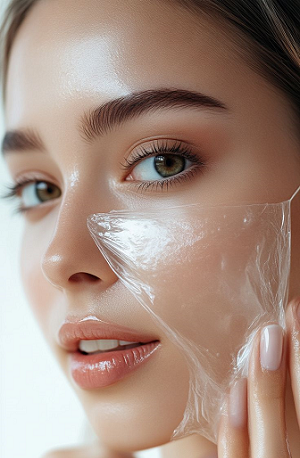
Peel names are often used interchangeably in casual conversation, yet the difference between a superficial and a deep peel is substantial — in effect, risk, recovery, and who should consider each. Patients researching a chemical peel in Dubai frequently ask which depth is "best," but the more useful question is which depth matches their skin and concern. This article compares the three categories side by side, explaining what each achieves, what recovery involves, and why deeper is not automatically better.
The Framework: Depth Determines Everything
Peels are classified by how far the solution penetrates:
-
Superficial — epidermis only
-
Medium — through the epidermis into the upper dermis
-
Deep — into the reticular dermis
Depth influences the concern each category can address, the sensation during treatment, the healing period, and the risk profile. Understanding this hierarchy makes the rest of the comparison logical.
Superficial Peels: The Everyday Option
These are the most commonly performed peels and the usual starting point. Typical agents include glycolic, lactic, mandelic, and salicylic acid at lower concentrations.
What they address: dullness, mild texture, congestion, post-acne marks, and early sun-related change.
Sensation: mild tingling or brief stinging, generally well tolerated.
Downtime: light flaking for a few days; most patients continue normal activities.
Sessions: usually a series spaced every few weeks, since each treatment is gentle.
Risk: low when appropriately selected, though pigment changes are possible in susceptible skin.
For many patients considering a chemical peel in Dubai, this category offers a sensible balance of benefit and minimal disruption.
Medium Peels: More Effect, More Recovery
Medium-depth peels typically use trichloroacetic acid, sometimes combined with other agents. They reach further into the skin and produce more substantial resurfacing.
What they address: more resistant pigmentation, sun damage, fine lines, and textural irregularity.
Sensation: warmer and more noticeable, though manageable for most patients.
Downtime: visible redness and peeling for roughly a week or more; some patients prefer to stay home during peak flaking.
Sessions: fewer than superficial peels, but spaced further apart to allow healing.
Risk: higher than superficial peels, including infection, scarring, and pigment change. Careful patient selection and aftercare are essential.
Chemical Peel in Dubai: Deep Peels and Their Place
Deep peels penetrate most significantly and produce the most dramatic resurfacing. They are reserved for specific indications and selected patients, and they carry the greatest risk and longest recovery.
What they address: significant photoaging and deeper textural concerns in appropriately selected patients.
Downtime: measured in weeks, with structured follow-up.
Risk: highest of the three categories, including scarring and pigment complications.
Deep peels are not a routine aesthetic purchase. They require thorough assessment, clear understanding of recovery, and a clinician experienced in their management. Many concerns that patients assume need a deep peel are managed effectively with repeated medium or superficial treatments.
Comparing the Categories
FeatureSuperficialMediumDeepDepthEpidermisUpper dermisReticular dermisTypical agentsGlycolic, lactic, mandelic, salicylicTCA-basedStronger TCA formulationsDowntimeDaysAbout a week or moreWeeksSessionsSeries of severalFewer, spacedUsually singleRisk levelLowModerateHigherBest forTone, mild texture, mild pigmentStubborn pigment, sun damage, fine linesSelected significant photoaging
This table is illustrative. Individual selection depends on examination and history.
Chemical Peel in Dubai: Why Deeper Is Not Better
A common assumption is that a stronger peel delivers superior results. In practice, deeper peels carry greater risk and are unnecessary for many concerns that respond well to repeated gentle treatments.
Skin type matters enormously. Patients with darker skin tones or a history of post-inflammatory hyperpigmentation are usually counselled toward conservative formulas and lower concentrations, sometimes with a priming phase beforehand. A well-planned chemical peel in Dubai is matched to the patient, not escalated for its own sake.
How the Choice Is Made
During consultation, the clinician considers the concern, skin type, pigment risk, available downtime, treatment history, and previous responses. A patient with an event in two weeks is not a candidate for a medium peel. A patient with stubborn pigmentation and a quiet calendar may be.
At Tajmeels Clinic in Dubai, depth selection follows assessment and a discussion of trade-offs, because the appropriate peel is the one that fits both the skin and the patient's circumstances.
The Practical Summary
Superficial peels suit gradual refinement with minimal downtime. Medium peels suit more resistant concerns with accepted recovery. Deep peels are reserved for specific indications and require the most careful planning. There is no universally best depth — only the most appropriate one for your skin and goals.
Ready to Begin Your Transformation?
Get in touch with us today to explore exclusive offers and find the right treatment for you!
WhatsApp: +971 56 203 8751
Phone: +971 4 373 9000
Social Media:






Comments (0)