

How Does a Red Break Glass Call Point Improve Fire Safety?
Discover how a Red Break Glass Call Point works, where it should be installed and how to check fire alarm compatibility, testing and safety requirements.

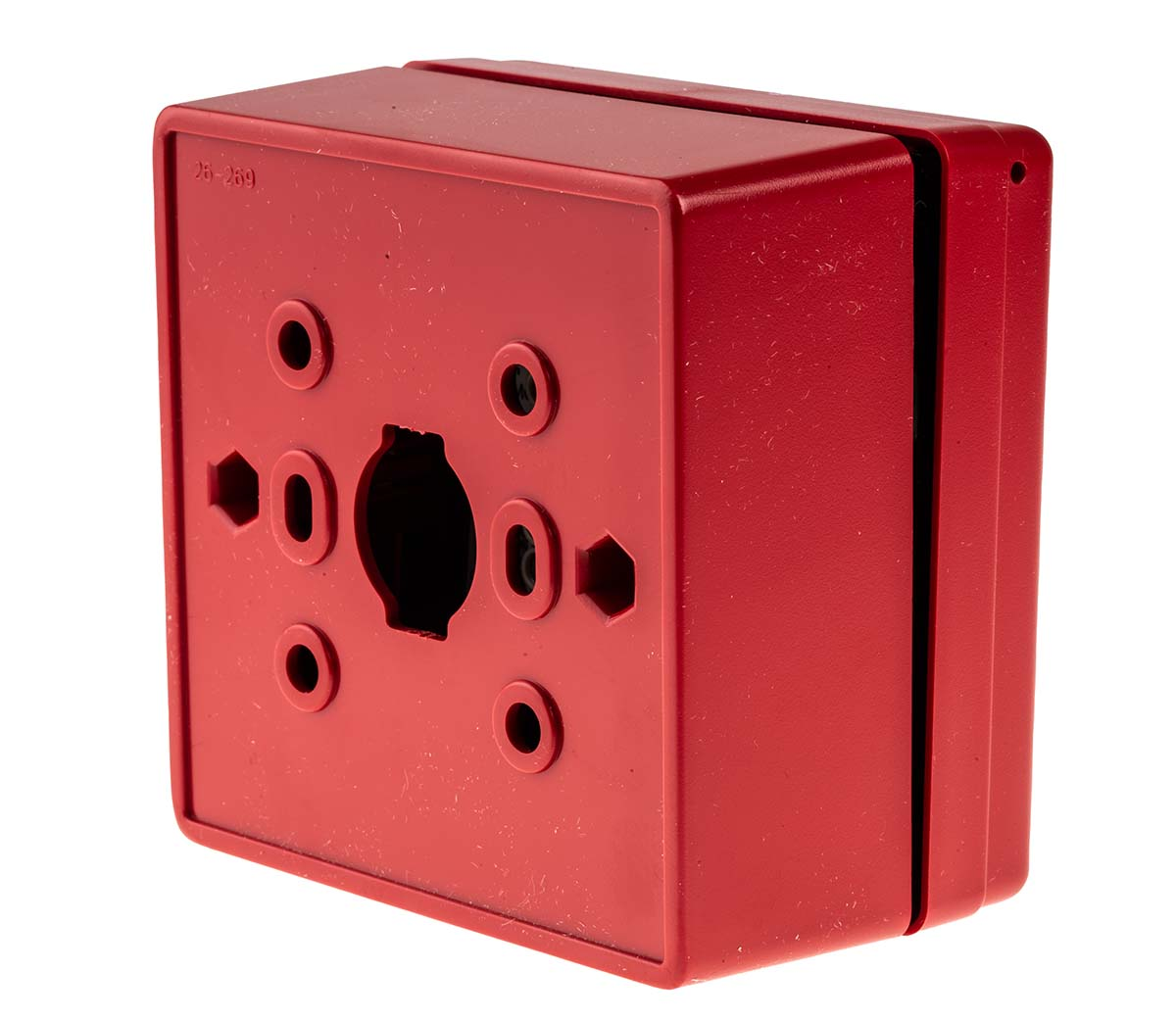
A fire alarm is most effective when people can raise the warning immediately after discovering danger. A Red Break Glass Call Point allows someone to activate a connected alarm manually, even before an automatic detector responds. In offices, schools, warehouses and public buildings, this simple action can give occupants valuable time to follow the emergency plan.
The Red Break Glass Call Point supplied as Eaton Fulleon CXL/GP/R/BB is one example of an indoor manual alarm device. Rather than choosing a call point solely by appearance, building owners should consider system compatibility, location, visibility and maintenance requirements across the entire premises.
What Happens When Someone Activates a Break Glass Call Point?
A manual call point sends a signal into the connected fire alarm system when its operating element is pressed or broken, depending on the design. The alarm control equipment processes that signal and initiates the programmed response, which may include sounders, visual alarms or other approved functions.
It is important to distinguish raising the building alarm from contacting emergency services. A call point does not necessarily notify the fire brigade automatically. Occupants must follow the site's evacuation and emergency communication procedures.
How Is It Different From a Smoke Alarm?
Smoke Alarms use sensors to detect signs of a developing fire automatically. Manual call points instead let a person raise an alarm after noticing smoke, flames or another credible sign of fire.
Both approaches can be valuable, but neither replaces a properly designed system. Fire Alarm Kits may combine suitable detection and notification components for smaller applications, whereas larger premises often need professionally designed systems.
Where Should Manual Fire Alarm Call Points Be Located?
Visibility and access are fundamental. People should be able to locate a call point without searching behind furniture, opening a cupboard or moving around an obstruction. Positions along escape routes and near relevant exits help occupants raise the alarm while leaving danger behind.
For UK non-domestic buildings, BS 5839-1:2025 gives recommendations for siting manual call points, including a nominal operating height of 1.4 m with specified tolerances. It also addresses travel distance, protective covers and placement at storey exits. The final arrangement must account for accessibility and the building's fire risk assessment.
Does a Red Housing Guarantee Suitable Installation?
No. Red makes a fire call point recognisable, but location, lighting, mounting and clear signage remain essential. A device hidden behind a door or obscured by stored goods may be difficult to reach when seconds matter.
Emergency Lighting helps people see escape routes during loss of normal illumination, but its design is separate from the alarm activation function. Consider how both systems perform during the same emergency.
Which Call Point Design Is Appropriate for the Building?
Traditional break-glass devices use a frangible element. Other models use a resettable plastic element that can be restored with the approved key after authorised testing or activation. Both require clear instructions and compatible servicing arrangements.
Correctly selected Fire Alarm Accessories such as protective covers, replacement elements or test keys can support maintenance. A cover must be approved for the installation and must not obstruct emergency operation.
Should You Choose an Indoor or Weatherproof Model?
The environment matters. A standard indoor call point should not be installed outdoors simply because its housing looks robust. Rain, dust, impact risk and cleaning methods can determine the required ingress protection and mechanical design.
Check the complete device's documented ratings and applicable approvals. Do not assume every model in one manufacturer's range provides identical environmental resistance.
How Do You Confirm Fire Alarm System Compatibility?
The call point must work with the building's conventional or addressable fire alarm architecture. Contact arrangements, monitoring resistors, voltage requirements and any addressing features depend on the system design.
A visually similar replacement may not operate correctly with the existing panel. Review the equipment schedule, wiring drawings and manufacturer instructions before purchasing or changing devices.
Why Does Clear Labelling Support Faster Response?
People need to understand which device raises the fire alarm. Position it consistently, make it conspicuous and ensure staff know how to use it during an emergency.
How Should Manual Call Points Be Tested and Maintained?
Testing needs a documented procedure carried out by authorised, competent personnel. Coordinate with building users and any alarm receiving centre before planned tests to prevent confusion or unintended attendance.
Compatible Smoke Detector Testers can help assess automatic detectors, but they do not replace testing manual activation devices. Technicians should verify signals at the Fire Alarm Control Panels using the approved procedure and follow the maintenance plan.
During scheduled checks, technicians should:
- Confirm access is clear, and the operating face is visible.
- Examine covers, housings and elements for damage.
- Use the manufacturer's approved test or reset method.
- Verify the expected response at the alarm panel and notification devices.
- Record test results, faults and corrective action in the system logbook.
What Should Building Managers Do Between Inspections?
Routine visual checks can reveal blocked call points, new furniture layouts, damaged covers or missing signs. Changes to corridors and exit routes should trigger a review of manual alarm coverage.
Staff should know that a real fire warning requires prompt action, not a wait for technical confirmation. Report defective equipment immediately and arrange competent repair while following appropriate interim fire precautions.
What Makes a Reliable Manual Call Point Installation?
Effective fire warning comes from a coordinated system rather than a single red box. Choose the correct operating element, match the alarm panel, plan accessible locations and establish regular testing. The equipment must support the building's assessed evacuation strategy.
When comparing Fire Alarm Call Points, prioritise approved compatibility, installation environment, visibility and maintainability. Thoughtful design and consistent upkeep help ensure that occupants can raise the alarm quickly when it matters most.








Comments (0)