

How an NDIS Website Design Agency Helps Providers Generate More Enquiries
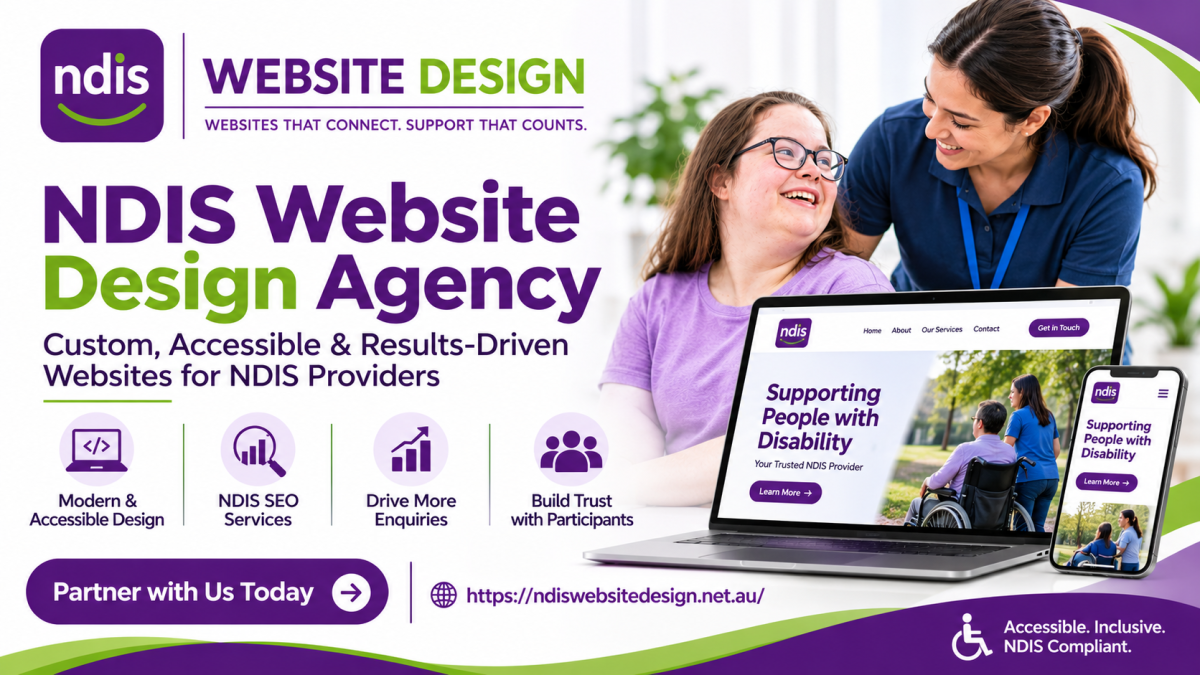
For NDIS providers, generating enquiries is an important part of building and growing a business. Potential participants, families and support coordinators often search online before contacting a service provider.
If your website does not clearly explain your services or make it easy to get in touch, visitors may leave without taking the next step.
This is where an experienced NDIS website design agency can help.
A well-designed website is not simply an online brochure. It can become an important communication and enquiry channel for your organisation.
Let's explore how the right website design approach can help NDIS providers attract visitors and encourage more genuine enquiries.
1. Creating a Clear First Impression
When someone visits your website, they should quickly understand what your organisation does.
A confusing homepage, outdated design or unclear service information can make it difficult for visitors to decide whether your organisation offers the support they need.
A carefully planned website should communicate:
-
Your organisation's name and purpose.
-
The NDIS services you provide.
-
The locations you serve.
-
Your approach to supporting participants.
-
How visitors can contact your team.
Clear messaging helps visitors understand your business without having to search through multiple pages.
2. Making Services Easy to Find
One common website problem is placing all services on a single page without providing enough information about each one.
Visitors may be searching for a particular type of support. If they cannot find relevant information quickly, they may look elsewhere.
A better approach is to create dedicated service pages.
For example, depending on the services your organisation provides, your website might include separate pages for:
-
Personal care.
-
Community participation.
-
Supported independent living.
-
Assistance with daily activities.
-
Support coordination.
-
Transport assistance.
Each page should explain the service, its suitability, availability and enquiry process.
This structure improves navigation and helps visitors find the information they are looking for.
3. Building Trust Through Website Design
Trust is an important consideration when people are researching disability support providers.
Participants and families want to understand who they may be communicating with and what they can expect from the organisation.
Your website can communicate credibility through genuine and relevant information.
Consider including:
-
An informative About Us page.
-
Staff and team introductions.
-
Organisational values.
-
Clear service descriptions.
-
Genuine testimonials where permission has been obtained.
-
Accurate contact information.
-
Relevant registration details where applicable.
An experienced website design team can organise these elements into a professional and easy-to-understand layout.
4. Improving Website Accessibility
A website should be designed to accommodate different browsing needs.
If visitors struggle to read text, navigate menus or complete forms, they may not be able to access the information they need.
Accessibility improvements can make the website more usable.
These may include:
-
Readable text sizes.
-
Clear colour contrast.
-
Logical page headings.
-
Descriptive buttons.
-
Keyboard-friendly navigation.
-
Screen-reader considerations.
-
Accessible contact forms.
Accessibility is not just a design feature. It helps create a more inclusive experience for website visitors.
5. Making Contact Options Visible
A website should make it easy for interested visitors to contact your organisation.
If someone has found a relevant service but cannot locate your phone number or enquiry form, the opportunity to start a conversation may be lost.
Useful contact features include:
Visible contact buttons: Add clear enquiry buttons to relevant website pages.
Click-to-call functionality: Allow mobile visitors to call your organisation directly.
Simple enquiry forms: Collect basic details without making the process unnecessarily complicated.
Email contact: Provide a clear email address for general enquiries.
Referral information: Explain how support coordinators and other professionals can refer someone to your organisation.
These features reduce friction and make it easier for visitors to take action.
6. Developing an SEO-Friendly Website
Website design and SEO should work together.
Search engine optimisation helps your organisation become more visible when people search for relevant disability support services.
A well-structured website provides a better foundation for SEO through:
-
Relevant service pages.
-
Descriptive page titles.
-
Search-friendly headings.
-
Useful website content.
-
Internal links.
-
Optimised images.
-
Mobile responsiveness.
-
Technical SEO improvements.
For example, if your organisation provides services in Melbourne, relevant location information can help search engines understand where your business operates.
However, simply adding location names or repeating keywords will not guarantee higher rankings. Content should provide genuine value to visitors.
7. Creating Location-Specific Pages
NDIS providers often serve particular suburbs, cities or regions.
If your organisation operates across multiple locations, your website can explain where each service is available.
For example, individual location pages can provide information about:
-
Areas covered.
-
Available services.
-
Local contact details.
-
Service availability.
-
How to make an enquiry.
These pages should contain useful, location-specific information rather than repeating the same content with different suburb names.
This approach can improve navigation and support local SEO.
8. Improving the Mobile Experience
Many people use mobile devices to search for local businesses and support services.
A website that is difficult to use on a smartphone can create unnecessary barriers.
Mobile-friendly NDIS website design should include simple navigation, readable text, fast-loading pages and accessible contact options.
It is also important to test enquiry forms on smaller screens to ensure visitors can complete them without difficulty.
A smooth mobile experience makes it easier for interested visitors to explore services and contact your organisation.
9. Using Website Analytics to Understand Visitors
Launching a website does not mean the work is finished.
Analytics can help your organisation understand how people interact with its pages.
You can use tools such as Google Analytics 4 and Google Search Console to review:
-
Which pages attract visitors.
-
What search terms bring people to your website.
-
Which pages receive the most engagement.
-
Where visitors enter your website.
-
How many enquiries are generated through tracked forms or calls.
This information can help identify pages that need better content, clearer contact options or improved navigation.
Remember that website visits and actual enquiries are different measurements. Both should be considered when evaluating performance.
10. Combining Website Design with Digital Marketing
A website provides the foundation for your online presence, but additional marketing activities can help bring relevant visitors to it.
Depending on your organisation's goals, these activities may include:
-
NDIS SEO services.
-
Google Ads management.
-
Social media marketing.
-
Local SEO.
-
Informative blog content.
For example, SEO can support long-term organic visibility, while Google Ads can help promote selected services through paid search campaigns.
Social media can also help your organisation share updates, explain services and communicate with its audience.
These activities work best when they direct visitors to relevant website pages with clear information and enquiry options.
How NDIS Website Design Helps Your Business
The purpose of website design for NDIS providers is to create a useful online experience that supports both visitors and the organisation.
A well-planned website can help people understand your services, build confidence in your business and make enquiries more convenient.
At NDIS Website Design, we help Australian NDIS providers create accessible, mobile-friendly and search-friendly websites. We focus on clear service presentation, easy navigation and website structures that support business growth.
Final Thoughts
Generating enquiries through your website involves more than adding a contact form or placing an enquiry button on the homepage.
It requires a combination of clear messaging, accessible design, useful service pages, mobile performance and search visibility.
Working with an experienced NDIS website design agency can help you bring these elements together and build a website that makes it easier for participants, families and support coordinators to connect with your organisation.
We specialise in professional NDIS website design for Australian NDIS providers. Our websites are created to be accessible, user-friendly, mobile-friendly, and easy to navigate, helping providers clearly present their services and build trust with participants, families, and support coordinators.






Comments (0)