

How Floating Aluminum Docks Improve Waterfront Accessibility
Discover how Floating Aluminum Docks improve waterfront access, durability, and convenience. Explore custom solutions from Express Docks.
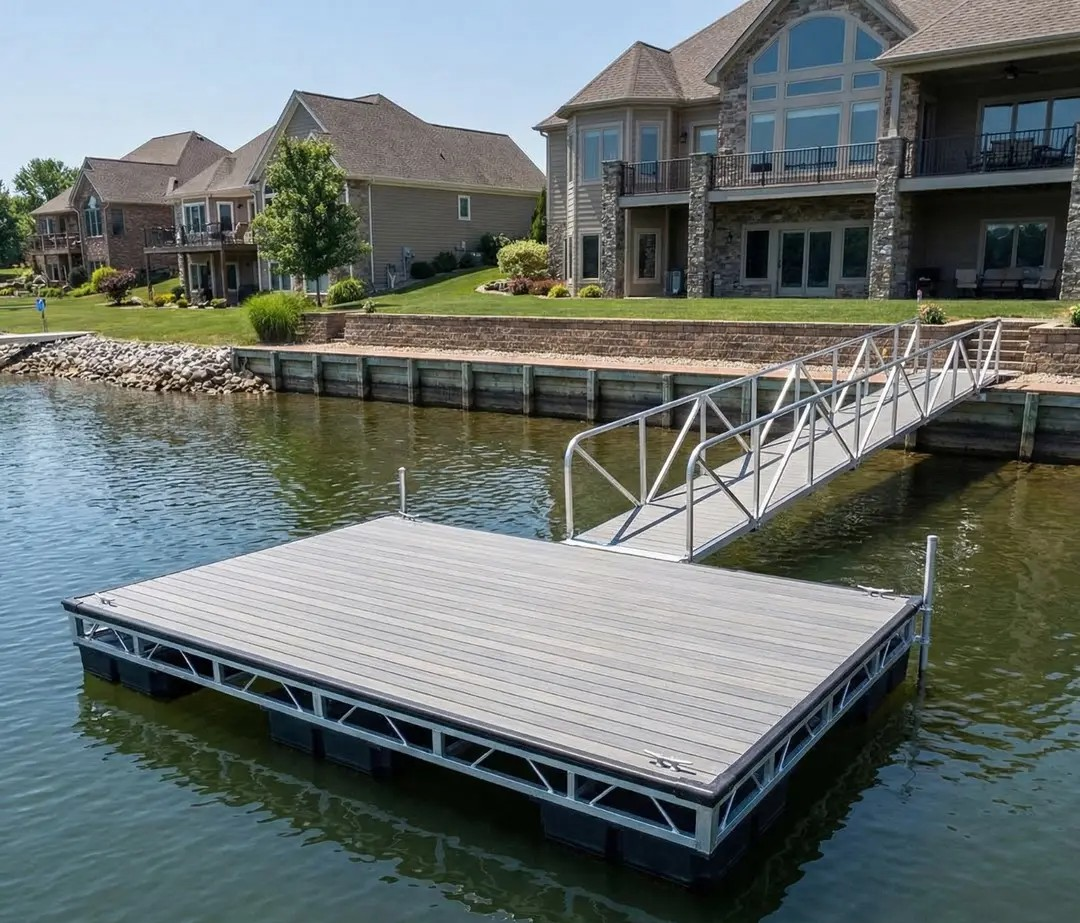
Waterfront properties offer opportunities for boating, fishing, swimming, and relaxing by the water. However, enjoying these activities often depends on having safe and convenient access between the shoreline and the water. Uneven terrain, changing water levels, tidal movement, and seasonal conditions can make waterfront access challenging. Choosing the right dock system can help address these issues.
Floating Aluminum Docks provide a practical solution for residential waterfronts because they adjust to changing water levels while creating a stable platform for everyday activities. Their lightweight construction, durable materials, and flexible configurations make them suitable for different waterfront environments.
Understanding how these dock systems work and where they are most useful can help property owners make informed decisions when improving their waterfront access.
1. Adapt to Changing Water Levels
One of the biggest challenges of waterfront access is changing water levels. Lakes, rivers, and coastal areas can experience fluctuations caused by rainfall, seasonal changes, tides, and water management.
Unlike traditional fixed docks, floating docks rest on marine-grade floats and move vertically with the water. This helps maintain a more consistent distance between the dock surface and the water, making it easier to board boats, access swimming areas, and enjoy other waterfront activities.
Floating Aluminum Docks are particularly useful for properties where water levels change throughout the year. When combined with a properly designed gangway, they can also provide a convenient connection between the shoreline and the floating platform.
2. Improve Access Across Different Waterfront Types
Not every waterfront property has the same conditions. A calm lake, a flowing river, and an exposed coastal bay each present different access challenges.
The right dock configuration depends on the surrounding environment.
-
Lake Homes: Single-frame floating docks are often suitable for calm water and everyday recreational activities.
-
River and Tidal Properties: A floating dock combined with a gangway can accommodate moderate currents, changing tides, and differences in shoreline elevation.
-
Saltwater and Exposed Bays: Double-truss construction offers additional structural support for wave action, larger boats, and heavier loads.
Selecting a suitable design helps create more practical access while accounting for the environmental conditions of the property.
3. Create a More Convenient Boarding Experience
A well-designed dock makes getting on and off a boat easier. Without a suitable platform, people may need to step across uneven surfaces, manage changing distances, or navigate slippery shoreline areas.
A floating dock provides a defined boarding area that moves with the water. This can help maintain a more predictable relationship between the dock and a boat as water levels fluctuate.
Property owners can also customize dock dimensions and layouts to accommodate different boats, watercraft, and recreational needs. However, proper anchoring, secure connections, appropriate load ratings, and suitable decking remain essential for safe use.
4. Provide Durable and Low-Maintenance Construction
Material selection plays an important role in the long-term performance of a dock. Wood docks may require regular staining, sealing, and repairs, while certain metal structures can be vulnerable to corrosion if unsuitable materials are used.
Aluminum is valued for its combination of strength, relatively low weight, and corrosion resistance. Marine-grade 6061-T6 aluminum is commonly used in quality dock construction because it provides structural strength for residential and commercial applications.
For example, Express Docks uses 6061-T6 marine-grade aluminum in its residential dock systems. Its aluminum frames are designed for freshwater and saltwater environments, with a 50-year structural warranty.
WPC (wood-plastic composite) decking is another practical option. It offers a finished walking surface with less routine maintenance than traditional wood decking. Available color choices can also help property owners coordinate the dock with their outdoor spaces.
5. Support Different Recreational Activities
A dock is more than a place to park a boat. It can become an important part of a property's outdoor living space.
A properly planned floating dock can provide access for:
-
Boating: Convenient boarding and docking for recreational boats.
-
Fishing: A stable platform for fishing without standing directly on uneven shorelines.
-
Swimming: An accessible area for entering and exiting the water.
-
Waterfront Relaxation: Space for seating, enjoying views, and spending time outdoors.
-
Personal Watercraft: Designated areas for smaller watercraft, depending on the dock's layout and capacity.
Custom dimensions and modular configurations allow property owners to plan a layout that suits their activities and available shoreline space.
6. Make Installation and Customization More Flexible
Traditional dock installation can involve heavy equipment, specialized labor, and complicated transportation, particularly in locations with limited shoreline access.
Modern modular aluminum systems offer another approach. Their individual sections can be manufactured, transported, and assembled at the waterfront. Some residential configurations are designed for assembly using basic hand tools, although larger installations may require additional labor or engineering support.
Express Docks follows a design-to-delivery process that includes custom engineering, factory assembly, quality checks, and photo-documented assembly instructions. Its residential systems are palletized for freight delivery to the customer's driveway.
Before installation, property owners should check local permitting requirements, water depth, shoreline conditions, anchoring needs, and environmental regulations.
7. Choose the Right Floating Dock Configuration
Choosing a suitable dock involves more than comparing dimensions or prices. Water conditions, expected loads, boat sizes, and intended activities should guide the decision.
For example, a single-frame system may be appropriate for calm lakes and protected waterfronts. A double-truss configuration may be more suitable for exposed bays, saltwater environments, and applications involving heavier loads.
A fixed dock may also be worth considering where water levels remain relatively stable throughout the year. Unlike floating systems, fixed docks are supported by piles and do not rise or fall with the water.
Comparing these options helps property owners select a structure that balances accessibility, durability, and long-term requirements.
Conclusion
Improving waterfront accessibility starts with selecting a dock that suits the property's water conditions, shoreline layout, and recreational needs. Floating aluminum docks offer a combination of adaptable access, durable construction, and flexible design options. By considering water levels, structural requirements, materials, and installation conditions, property owners can create a functional waterfront space for years of use.
Express Docks offers custom residential aluminum dock systems, including single-frame, double-truss, and fixed configurations, to accommodate different waterfront environments. Exploring these options can help homeowners identify a suitable solution for their property.
Frequently Asked Questions
1. Are floating aluminum docks suitable for changing water levels?
Yes. Floating docks rise and fall with the water, helping maintain convenient access in locations where water levels fluctuate seasonally or with tides.
2. Are aluminum floating docks suitable for saltwater?
Marine-grade 6061-T6 aluminum offers good corrosion resistance in saltwater environments. However, proper hardware selection, maintenance, and anchoring are also important. Reinforced double-truss construction may be appropriate for exposed coastal conditions.
3. Do floating aluminum docks require regular maintenance?
They generally require less maintenance than traditional wooden docks. Periodic inspections of connections, floats, decking, anchoring systems, and hardware are still necessary.
4. Can a gangway be added to a floating dock?
Yes. A gangway can connect the shoreline to a floating dock, making it easier to accommodate elevation differences and changing water levels. It can also be added to an existing compatible system.
5. How do I choose between single-frame and double-truss docks?
Single-frame docks are generally suitable for calm to moderately protected waters. Double-truss systems provide additional structural support for rougher conditions, larger boats, and heavier loads.
At Express Docks, we take great pride in designing and constructing top-quality standing docks, floating docks, and dock accessories. All our docks are proudly designed at our state-of-the-art facility in US. Since 2012, Express Docks has been producing aluminum, bolt-together modular dock kits. Each truss is crafted from a single sheet of marine-grade aluminum, eliminating welded joints for unmatched strength and durability. For more information visit our website: https://expressdocks.com








Comments (0)