

Dermal Fillers in Dubai: What Areas Can They Treat?
Discover the facial areas that dermal fillers in Dubai can enhance, including lips, cheeks, chin, jawline and under-eye hollows, with insights into treatment options and results.

Different facial areas contribute to overall appearance, definition and symmetry. Changes in skin elasticity and natural volume can gradually affect these features, making certain areas appear hollow, less defined or more lined. Dermal fillers in Dubai (حشوات الجلدية في دبي) provide a non-surgical option for addressing selected concerns through targeted volume enhancement. Depending on the formulation and treatment technique, fillers can improve several facial areas while supporting a more balanced appearance.
How Dermal Fillers Work Across Different Facial Areas
Dermal fillers are injectable substances placed beneath the skin or within specific tissue layers to restore volume and improve contours. Hyaluronic acid fillers are widely used because hyaluronic acid naturally attracts moisture and contributes to tissue hydration.
Each facial area has different anatomical characteristics. The product consistency, injection depth and placement technique must therefore be selected according to the specific treatment objective.
Some areas require soft volume enhancement, while others benefit from greater structural support. Understanding these differences helps explain why filler treatments are not identical for every part of the face.
Facial Areas Commonly Treated with Dermal Fillers in Dubai
1. Lips
Lip fillers are used to enhance volume, improve definition and refine the natural lip shape. They can also address mild asymmetry and age-related thinning.
The treatment may focus on the upper lip, lower lip or overall lip proportions. A conservative approach can help preserve natural movement and avoid excessive fullness.
2. Cheeks
The cheeks provide support and structure to the middle portion of the face. Natural ageing and volume loss can make this area appear flatter or hollow.
Cheek fillers can restore selected areas of fullness and improve cheekbone definition. They may also create a smoother transition between the lower eyelid and midface.
3. Chin
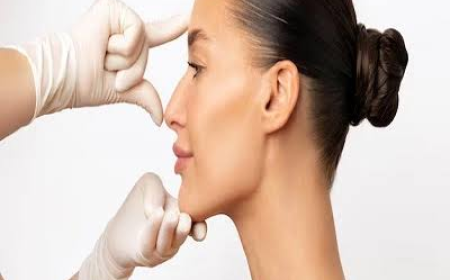
The chin influences the balance of the lower face and side profile. Limited projection or an uneven contour may affect the relationship between the chin, lips and nose.
Chin fillers can add volume and improve projection without surgery. The treatment is planned according to the existing chin structure and overall facial proportions.
4. Jawline
Jawline fillers can improve definition along the lower border of the face. They may be considered by individuals who want a more structured appearance without undergoing surgical contouring.
The amount of filler required depends on the existing bone structure, skin condition and desired level of definition.
5. Under-Eye Hollows
Volume loss beneath the eyes can create shadows and a tired appearance. In carefully selected individuals, certain fillers may improve the appearance of under-eye hollows.
However, the tear trough is a particularly delicate area. Treatment can cause persistent swelling, bluish discoloration or vascular complications. Not everyone is a suitable candidate, and alternative approaches may be more appropriate.
6. Nasolabial Folds
Nasolabial folds are the lines running from the sides of the nose towards the corners of the mouth. They often become more visible with age as facial volume and tissue support change.
Fillers may soften these folds in suitable cases. Treatment planning should consider surrounding facial volume and the underlying cause rather than concentrating only on the visible lines.
7. Marionette Lines
Marionette lines extend downward from the corners of the mouth towards the chin. These lines can contribute to a downward appearance around the lower face.
Selected filler treatments may soften their appearance by restoring volume and improving support in the surrounding areas.
8. Temples
Volume loss around the temples can create a hollow appearance on the sides of the forehead. In appropriate cases, fillers may restore some fullness and improve the transition between the forehead and upper face.
Temple injections require advanced anatomical knowledge because important blood vessels are present in this region.
Can Dermal Fillers Improve Facial Symmetry?
Facial symmetry does not mean that both sides of the face must look exactly identical. Most people naturally have small differences in facial proportions, volume and structure.
Fillers can sometimes improve the appearance of mild asymmetry by adding volume to selected areas. For example, one cheek may require a slightly different amount of product from the other to create a more balanced appearance.
The treatment should respect natural differences rather than attempt to create artificial perfection.
Which Facial Areas Need Different Filler Formulations?
Different products are designed for different purposes. Some formulations are softer and more flexible, making them suitable for areas that require subtle movement and volume. Others are firmer and may provide greater structural support.
Lip enhancement, cheek contouring and chin definition may therefore require different products.
The appropriate choice depends on tissue characteristics, treatment depth, facial anatomy and the intended outcome. Selecting a product solely because it is popular is not a reliable approach.
What Happens Before and After Treatment?
Before treatment, facial structure and skin condition are assessed. Previous cosmetic procedures, medical history and individual expectations are also discussed.
The selected areas are cleaned, and filler is administered using an appropriate injection technique. Mild swelling, redness, tenderness or bruising may develop afterward.
Initial results can often be seen immediately, but the appearance may change as temporary reactions settle. Aftercare instructions should be followed carefully, including avoiding unnecessary pressure on treated areas.
Are All Facial Areas Suitable for Fillers?
Not every facial concern can be treated safely or effectively with injectable fillers. Some areas have complex anatomy and carry a higher risk of complications.
Possible side effects include bruising, swelling, lumps, infection and allergic reactions. A serious but uncommon complication is vascular occlusion, which can restrict blood flow and cause tissue damage or vision loss.
Severe pain, skin blanching or unusual discoloration after treatment requires urgent assessment. Any visual disturbance requires immediate emergency medical attention.
The suitability of each treatment area should be evaluated individually, with careful consideration of potential benefits and risks.
How to Choose the Right Treatment Area
The best treatment area depends on the concern rather than following a particular cosmetic trend. Someone experiencing hollow cheeks may benefit from a different approach than someone seeking improved lip definition.
Facial proportions, skin quality, age-related changes and personal expectations should all influence the treatment plan.
In some cases, treating one area may be sufficient. Other individuals may require a more comprehensive approach, although adding more filler does not automatically produce better results.
Final Thoughts
Dermal fillers can address several facial concerns, from lip volume and cheek definition to chin projection and selected facial folds. Understanding the purpose and limitations of each treatment area helps establish realistic expectations and supports better decisions. For individuals exploring facial enhancement options, TAJMEELS DUBAI عيادة تجميل offers an opportunity to learn more about available dermal filler treatments and consider an approach based on individual facial structure and aesthetic preferences.

Provide health services








Comments (0)