

Car Battery Services in Corolla, NC: Signs Your Vehicle Needs Testing or Replacement
Learn how battery services in Corolla, NC can identify weak batteries, charging faults, and poor connections, plus warning signs that help Corolla drivers decide when replacement is needed.

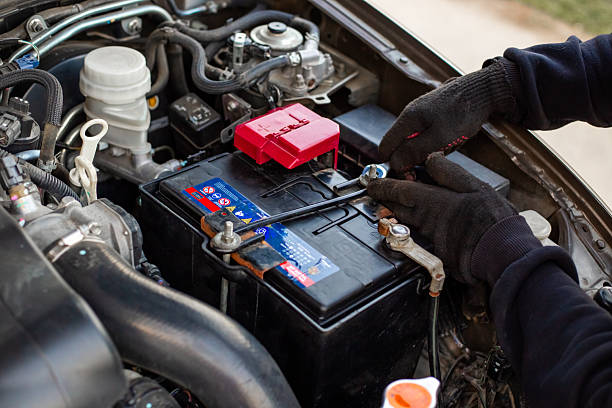
Car battery trouble usually starts with a warning: slow cranking, dim lights, or a vehicle that clicks instead of starting. A driver may see North Beach Recovery while looking for local assistance, but a battery test should come before a replacement. Heat, age, loose connections, and long periods without driving can all affect battery performance. For drivers comparing battery services in Corolla, NC, the right first step is a battery and starting-system check that explains what failed and why.
Key Takeaways
-
Slow cranking, clicking, and dim lights can point to battery trouble, but they can also involve the starter or alternator.
-
A proper test checks battery strength, connections, and the charging system before replacement is recommended.
-
Swelling, cracking, leaking fluid, or a strong sulfur smell calls for caution and prompt service.
-
The replacement must match the vehicle's size, terminal layout, and electrical needs.
-
Coastal moisture and salt air can make clean battery connections more important in Corolla.
Start With Testing, Not Guesswork
A battery and starting-system test is the best first step because a dead battery is not always the root problem. The test can show whether the battery can hold a charge, whether the alternator is putting energy back into it, and whether the starter motor is drawing too much power.
A basic voltage reading gives only part of the answer. A battery may show an acceptable reading while still failing under the heavy demand of starting an engine. A load test places that demand on the battery and helps show whether its internal capacity has dropped. This kind of check is a standard part of professional battery services in Corolla, NC.
The inspection should also include the battery terminals and cables. Loose clamps, white or green corrosion, or a damaged cable can block current. Cleaning or tightening a connection may solve the issue without replacing a battery.
The charging system matters as well. If the alternator is weak, a new battery may lose its charge soon after installation. If the starter has an electrical fault, the vehicle may still crank slowly even with a healthy battery. Testing these parts together prevents an unnecessary purchase.
When Is Replacement the Better Choice?
Replacement makes sense when testing shows that the battery has lost too much capacity to start the vehicle reliably. A battery should not be replaced only because it is old, but age, repeated deep discharges, and difficult starting can make failure more likely.
Someone seeking Corolla roadside battery help should ask whether the test measured battery capacity rather than only resting voltage. The date code or installation record can provide helpful context, but the vehicle's actual condition is more important than a calendar date.
-
A failed load or capacity test is a strong reason to replace the battery.
-
A cracked, leaking, or swollen case should not remain in service.
-
Repeated failure after a full charge may point to a worn battery or an electrical drain.
-
Clean terminals and a healthy charging system may rule out the need for replacement.
-
The new battery must fit the vehicle and meet its starting requirements.
A battery can be weak without being completely dead. It may start the car in warm weather but fail after sitting for several days or after powering accessories for a short time. That pattern often means the battery has little reserve left.
A replacement also should not hide a charging problem. If the alternator does not recharge the battery while the engine runs, the same symptoms can return. A complete service visit should explain whether the battery, alternator, starter, or cable connections caused the trouble.
Signs That Deserve Attention
Certain signs of a weak battery make testing more urgent. They do not all prove that the battery has failed, but they give a technician useful clues about where to begin.
-
The engine turns over more slowly than usual, especially after the vehicle has been parked overnight.
-
The vehicle makes a single click or a fast series of clicks when the driver turns the key or presses the start button.
-
Headlights, dashboard lights, or interior lights become noticeably dim while starting.
-
The vehicle needs repeated jump-starts even after the battery has been charged.
-
The battery case looks swollen, cracked, or wet, or the area has a strong rotten-egg smell.
A battery that works one day and fails the next may have an internal problem or may be losing power while the vehicle is parked. An accessory left on, a faulty light, or a damaged electrical module can drain the battery. That is why a test should include a check for unwanted power loss when the vehicle is off.
A swollen or leaking case deserves extra care. Drivers should not handle damaged batteries casually or keep trying to jump-start them. Battery acid can harm skin, clothing, and nearby metal, while a damaged battery may release flammable gas.
Local Conditions and Practical Next Steps
If a vehicle will not start, safety comes before diagnosis. The driver should move away from traffic when possible, use hazard lights if they work, and request assistance from a safe location. Repeatedly turning the key can drain a weak battery further and may place extra strain on the starter.
A driver comparing battery checks near Corolla should remember that local coastal conditions can affect exposed metal. Moisture and salt air may contribute to corrosion around terminals and cable ends. This does not mean every battery in the area will fail early, but it does make regular visual checks worthwhile.
-
Turn off lights, climate controls, radios, and other electrical accessories before testing.
-
Note whether the vehicle clicks, cranks slowly, or does nothing at all.
-
Look for loose clamps or visible corrosion without touching a leaking or damaged case.
-
Do not attempt a jump-start if the battery is swollen, cracked, frozen, or leaking.
-
Keep the vehicle's make, model, engine size, and battery history available for the technician.
A jump-start may get a vehicle moving, but it does not explain why the battery went flat. After a jump, the battery, alternator, and cables still need inspection. A driver should avoid assuming that a longer drive will fully restore a failing battery.
Choosing the Right Replacement
The correct replacement must match more than the battery's general shape. The vehicle needs the right group size, terminal position, hold-down design, and electrical rating. A battery that fits loosely or has the terminals in the wrong place can create safety and connection problems.
Cold-cranking amps describe how much starting power a battery can provide in cold conditions. Reserve capacity indicates how long it can support certain electrical loads if the charging system stops working. The vehicle maker's specifications should be the starting point, especially for cars with automatic stop-start systems or many electronic features.
Battery design matters too. Some vehicles use standard flooded lead-acid batteries, while others require an AGM battery that handles frequent cycling and higher electrical demand. Installing the wrong type may reduce performance or shorten service life.
Warranty terms, installation date, and recycling options are also worth checking. Lead-acid batteries should not go into ordinary household trash. Many parts retailers and recycling centers accept old batteries because their materials can be recovered safely.
Frequently Asked Questions
Can a Weak Battery Still Start a Car?
Yes. A weak battery may start the vehicle under favorable conditions and fail later. Warm temperatures, a recent drive, or a fresh jump can temporarily hide its reduced capacity.
How Long Does a Battery Test Take?
A basic test is usually brief, but the full visit may take longer if the technician checks the charging system, starter draw, cable condition, or an electrical drain.
Can the Alternator Cause a Dead Battery?
Yes. A failing alternator may not replace the power used during starting. The battery can then become discharged even if it is still in fair condition.
Should a Driver Replace a Battery After One Dead Start?
Not necessarily. One dead start may result from an accessory being left on or a loose connection. Testing can show whether the battery recovered or has permanent capacity loss.
How Should an Old Battery Be Disposed Of?
An old automotive battery should be taken to a retailer, repair facility, or recycling site that accepts lead-acid batteries. It should remain upright and protected from damage during transport.
Can a Battery Be Tested After a Jump-Start?
Yes. A technician can test it after the vehicle has been restarted, then check whether the alternator is charging correctly and whether the battery can hold that charge.
The Bottom Line
Testing helps separate a worn battery from problems involving the alternator, starter, cables, or an electrical drain. Drivers should take swelling, leaks, repeated jump-starts, and slow cranking seriously. In Corolla, clean connections and safe handling also matter because moisture and salt air can affect exposed terminals. A replacement should match the vehicle's specifications, not simply the size of the old battery.
Arrange the Next Check
Drivers who notice slow cranking, dim lights, repeated clicking, or a swollen case should arrange a battery and charging-system check before the vehicle becomes stranded. A technician can test the battery, inspect connections, and explain whether cleaning, charging, or replacement makes sense. Keeping the vehicle's battery details and symptoms available can make the visit efficient. If the car will not start, safety comes first: move away from traffic when possible and request roadside assistance rather than repeatedly trying the ignition.

Hi, I’m Freya Parker, an automotive expert focused on helping car owners make smarter decisions when selling their vehicles. I specialise in breaking down the car-selling process in a simple, practical way from understanding your car’s real value to reading market trends and spotting the right time to sell. My goal is to give you clear, honest guidance so you can confidently get the best possible price for your car without confusion or stress. Whether you’re selling for the first time or just want a better deal, I’m here to make the process straightforward, transparent, and rewarding






Comments (0)